Solo Travel Groups for Women Empowering Adventures
Solo travel groups for women offer a unique blend of independence and camaraderie. These groups provide a supportive environment for women to explore the world, fostering friendships and shared experiences while navigating the joys and challenges of solo travel. From adventure trips to cultural immersions and relaxation retreats, these groups cater to diverse interests and destinations, ensuring a memorable journey for every participant.
These groups often utilize online platforms and social events to connect like-minded individuals. The structure typically involves shared responsibilities and open communication, which is crucial for successful group travel. Safety and security are paramount, with detailed strategies and precautions in place to ensure the well-being of every member.
Introduction to Solo Travel Groups for Women
Solo travel groups specifically designed for women offer a unique and supportive travel experience. These groups provide a safe and encouraging environment for women to explore the world independently while connecting with like-minded individuals. The benefits extend beyond shared adventures; they foster camaraderie, build confidence, and create lasting friendships.
Joining these groups often stems from a desire for a more personalized and tailored travel experience. Women seeking adventure, relaxation, or cultural immersion find a supportive network to navigate unfamiliar territories and discover new interests. The shared experience of travel and the mutual understanding within the group contribute to a profound sense of belonging.
Benefits of Joining Solo Travel Groups
These groups provide numerous benefits that extend beyond the tangible experiences. Women gain a supportive network of fellow travelers, enhancing their confidence and sense of security while exploring new destinations. This shared experience often fosters strong friendships, lasting connections, and a sense of community.
Motivations Behind Joining
Women are driven by a variety of motivations to join these groups. The desire for a safe and supportive travel environment is a significant factor, allowing women to feel comfortable exploring destinations independently. The opportunity to meet like-minded individuals who share similar interests, whether it be hiking, culinary experiences, or cultural immersion, is another compelling motivator. The chance to discover new perspectives and broaden their horizons through travel also plays a crucial role.
Types of Activities and Experiences
Solo travel groups cater to diverse interests. They may include guided tours of historical sites, opportunities for outdoor activities such as hiking or kayaking, cultural immersion experiences such as cooking classes or visits to local markets, and leisure activities like spa days or relaxing beach getaways. The activities are carefully curated to align with the group’s interests and the destination’s unique offerings.
Examples of Solo Travel Groups
| Group Name | Description | Target Audience | Key Features |
|---|---|---|---|
| Wanderlust Women | A global community for women travelers focused on adventure and cultural exploration. | Women seeking adventurous trips with a focus on cultural immersion. | Guided tours, curated itineraries, and opportunities for solo activities with support. |
| The Global Sisters | A group of women travelers dedicated to exploring the world while prioritizing personal growth and self-discovery. | Women seeking a supportive environment for solo travel and personal growth. | Emphasis on mindfulness, journaling prompts, and curated activities aligned with personal interests. |
| City Explorers | A group for women who love exploring urban landscapes, focusing on historical sites and local culture. | Women are interested in exploring cities and experiencing their unique cultural aspects. | Guided walking tours, museum visits, and opportunities to connect with locals. |
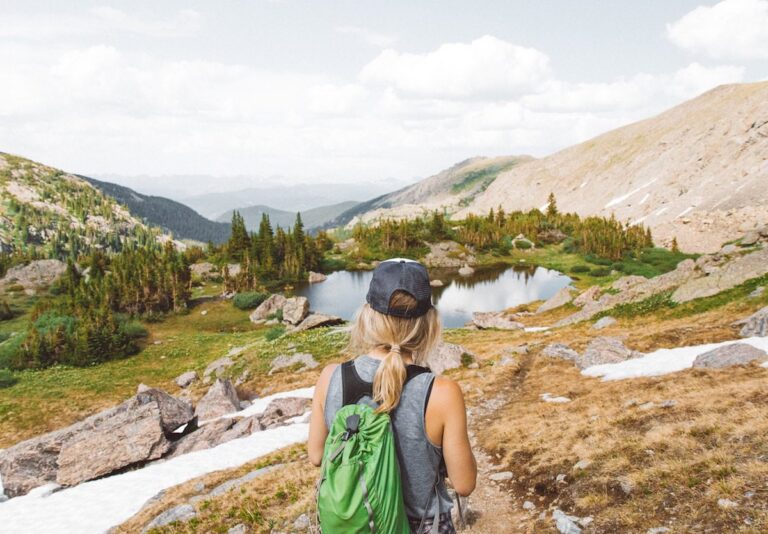
| Nature Nomads | A group of women who appreciate outdoor activities and nature-based travel. | Women interested in hiking, camping, and outdoor adventures. | Guided hiking trips, camping excursions, and opportunities to connect with nature. |
Group Formation and Organization
Building a supportive and enjoyable solo travel group for women requires careful planning and organization. Effective group formation hinges on finding compatible members and establishing clear roles and responsibilities. This structure fosters a positive environment for shared experiences and encourages members to feel confident and safe throughout their journeys.
A well-organized group promotes smooth communication and coordination, allowing for seamless travel and interaction. This structure enhances the overall experience and reduces potential conflicts.
Common Methods for Group Formation
Several avenues facilitate the gathering of like-minded women for solo travel adventures. Online platforms and social events are popular methods.
- Online platforms, such as dedicated travel forums or social media groups, allow for broad reach and facilitate connecting with women who share similar interests and travel styles. Examples include Facebook groups or specialized travel websites.
- Social events, such as workshops, meetups, or conferences focused on travel, provide opportunities for in-person interaction and the chance to discover common interests and travel goals. These events often host introductory sessions or informal gatherings that encourage connections.
- Existing networks, such as work colleagues or friends from other shared activities, are valuable resources. Existing bonds and trust can translate to a comfortable and supportive travel experience.
Roles and Responsibilities Within a Group, Solo travel groups for women
Defining roles and responsibilities within a group ensures clarity and accountability. This clarity contributes to a smooth and efficient operation, fostering a positive and productive travel experience.
- A designated leader or coordinator can oversee logistical planning and ensure smooth communication among members. Responsibilities may include organizing meetings, assigning tasks, and monitoring the group’s progress.
- Members can assume roles based on their strengths and interests, like budgeting, researching destinations, or coordinating activities. This allows for efficient task delegation and utilizes the diverse skill sets within the group.
- Clear guidelines regarding decision-making processes and conflict resolution are essential. These guidelines ensure fair and respectful interactions, enabling a positive and productive travel experience.
Importance of Communication and Coordination
Open communication and effective coordination are crucial for a successful solo travel group. This ensures members feel comfortable sharing concerns and ideas, fostering a supportive environment.
Open communication channels are key. Regular updates, clear guidelines, and prompt responses to inquiries facilitate a harmonious experience. This also allows for a flexible response to any unexpected circumstances.
Group Formation Methods Analysis
The table below summarizes various group formation methods, highlighting their advantages and disadvantages.
| Group Formation Method | Advantages | Disadvantages |
|---|---|---|
| Online Platforms (e.g., dedicated forums, social media) | Broad reach, diverse members, flexibility in connecting with individuals from different locations, potential for in-depth discussion about travel styles and preferences. | Potential for miscommunication, difficulty in assessing compatibility before meeting in person, and reliance on self-disclosure, which may not be sufficient to gauge genuine connection. |
| Social Events (e.g., workshops, meetups) | Opportunity for in-person interaction, quicker assessment of shared interests and personalities, increased trust building due to face-to-face interaction. | Limited reach, potential for smaller group size, and more time commitment to attend events. |
| Existing Networks (e.g., friends, colleagues) | Established trust and rapport, shared history, ease of communication, and built-in support system. | Limited pool of potential members, potential for existing dynamics to impact the group’s functioning, possible discomfort in sharing personal travel preferences or vulnerabilities with existing acquaintances. |
Destinations and Experiences: Solo Travel Groups For Women
Source: traveldailymedia.com
Planning a solo trip, especially for women, can be a rewarding and empowering experience. Selecting destinations and carefully crafting experiences tailored to the group’s interests is crucial for a successful journey. This section will explore popular destinations for women’s solo travel groups, categorized by interest, and detail the planning process, including budgeting and itinerary creation.
Popular Destinations for Women’s Solo Travel Groups
Women’s solo travel groups often gravitate towards destinations offering a blend of safety, cultural immersion, adventure, or relaxation. The destinations chosen reflect the group’s shared interests and desired level of activity. Considerations include safety, accessibility, and the availability of activities catering to women travelers.
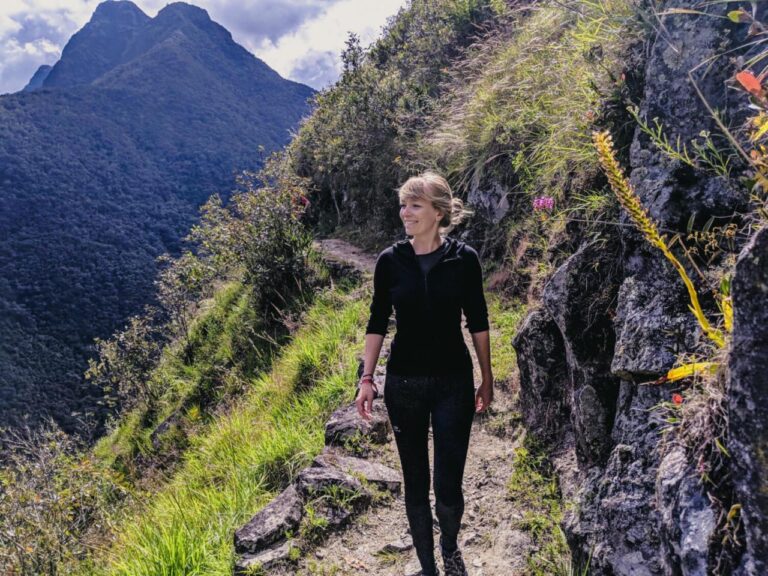
- Adventure Destinations: Locations like Patagonia, Costa Rica, or Nepal offer exhilarating outdoor experiences. These destinations cater to women seeking adventure, with treks, ziplining, white-water rafting, and other activities. Women can bond over shared experiences and build confidence through overcoming challenges together.
- Cultural Immersion Destinations: Cities like Kyoto, Morocco, or Southeast Asian countries provide opportunities for in-depth cultural exploration. Groups can engage in cooking classes, attend traditional performances, and interact with local communities. Learning about new cultures fosters mutual respect and understanding within the group.
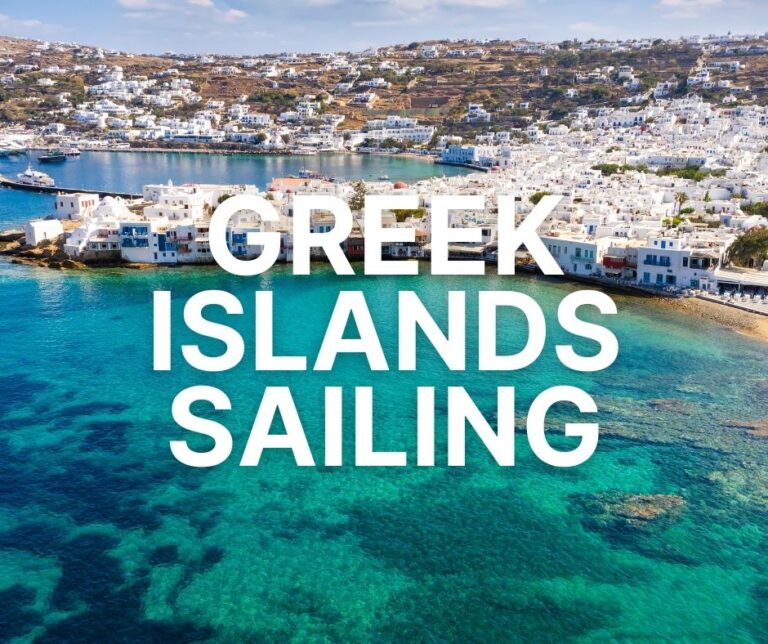
- Relaxation and Wellness Destinations: Locations like Bali, the Greek Islands, or the Caribbean offer a chance for tranquility and self-care. Spa treatments, yoga retreats, and quiet beach walks provide opportunities for relaxation and rejuvenation. Women can recharge and strengthen their connections within a supportive environment.
Types of Experiences Tailored to Women Travelers
Destinations frequently offer specialized experiences catered to the interests and needs of women travelers. This includes safe and reliable transportation, accommodations, and local guides who understand women’s needs. Activities designed for women’s solo travel groups can foster camaraderie and create shared memories. These experiences often prioritize safety and inclusivity.
- Guided Tours: Many destinations offer guided tours focusing on historical sites, culinary experiences, or cultural attractions. These tours are often specifically designed to accommodate the needs of solo female travelers.
- Workshops and Classes: Activities like cooking classes, photography workshops, or art classes allow for shared learning and creative expression within the group.
- Networking Events: Some destinations organize networking events specifically for women, fostering connections and creating a sense of community.
Planning Group Trips: Budgeting and Itinerary Creation
Careful planning is essential for a successful group trip. This involves a clear understanding of the group’s budget, establishing shared interests, and creating a detailed itinerary. Communication and transparency are key to ensuring everyone feels included and respected.
- Budgeting: A shared understanding of the budget is crucial. This includes flights, accommodation, activities, meals, and personal spending money. A detailed budget allows for realistic cost estimations and avoids surprises.
- Itinerary Creation: A well-defined itinerary helps maximize the trip’s impact. This involves a balance of shared activities, personal time, and opportunities for relaxation. Flexibility is key to adapting to the group’s needs and spontaneous moments.
- Communication: Open and honest communication is vital throughout the planning process. This includes setting expectations, discussing preferences, and addressing any concerns proactively.
Sample Trip Planning Table
| Destination | Type of Experience | Activities | Cost Considerations |
|---|---|---|---|
| Kyoto, Japan | Cultural Immersion | Temple visits, traditional tea ceremonies, cooking classes, Gion district exploration | Flights, accommodation, food, entry fees, transportation |
| Patagonia, South America | Adventure | Hiking, trekking, kayaking, exploring glaciers, visiting national parks | Flights, accommodation, guided tours, gear rental, food |
| Bali, Indonesia | Relaxation and Wellness | Yoga retreats, spa treatments, beach relaxation, exploring rice paddies | Flights, accommodation, spa treatments, yoga classes, food |
Safety and Security Considerations
Traveling solo, especially for women, can be an enriching experience, but safety and security are paramount. A proactive approach to risk assessment and mitigation is crucial for a positive and worry-free journey. Understanding potential dangers and implementing strategies to address them is key to enjoying the freedom and independence of solo travel.
Ensuring safety within a group setting amplifies the benefits of solo travel. Shared experiences, support, and a sense of community provide an additional layer of protection and confidence. By implementing safety protocols and maintaining open communication, the group can navigate potential risks effectively.
Importance of Safety Measures for Solo Female Travelers
Safety is paramount for all travelers, but for women traveling solo, specific considerations are critical. Understanding potential threats, from petty theft to more serious crimes, and developing strategies to address them is essential. Recognizing potential risks, like isolated areas, or being aware of local customs, allows travelers to make informed decisions to minimize danger.
Strategies for Ensuring Safety Within a Group
Building trust and communication within a group is vital for safety. Establish clear communication protocols, including emergency contact information, meeting points, and procedures for reporting any concerns. Open discussion and a shared understanding of safety measures can make a significant difference. Regular check-ins, whether planned or spontaneous, foster a sense of security and provide a platform for immediate intervention if needed.
Examples of Safety Precautions Taken by Women’s Solo Travel Groups
Many women’s solo travel groups implement practical safety measures. These include pre-trip briefings on local laws and customs, the sharing of itineraries and travel plans with trusted contacts, and the establishment of a secure communication channel. Some groups utilize GPS trackers or share real-time location updates with trusted members. The use of personal safety devices, like pepper spray or alarms, and the creation of a designated emergency contact list are other common safety precautions.
Safety Precautions Table
| Safety Concern | Mitigation Strategies | Group-Specific Actions |
|---|---|---|
| Theft | Avoid displaying expensive jewelry or electronics. Keep valuables secure. | Establish a common practice of keeping belongings close. Inform the group of any valuable items. |
| Unfamiliar Environments | Research local customs and laws. Be aware of potential risks in unfamiliar areas. | Share research findings with the group. Establish a designated area for group members to gather or meet. |
| Personal Safety | Learn basic self-defense techniques. Carry a personal safety alarm or device. | Organize a brief session on self-defense techniques. Encourage group members to share any personal safety devices. |
| Emergencies | Develop a clear emergency plan. Know local emergency numbers. | Establish a designated emergency contact person for the group. Share contact information with all members. |
Building Community and Connection
Solo travel, while inherently empowering, can also foster a sense of isolation. Women’s solo travel groups effectively counteract this by creating a supportive and encouraging environment where shared experiences and mutual respect are paramount. These groups provide a platform for building meaningful connections and lasting friendships, extending far beyond the duration of the trip.
Shared Experiences and Support
Shared experiences are a cornerstone of strong community building. Whether it’s navigating a bustling market, conquering a challenging hike, or simply sharing a meal, these moments forge bonds and create shared memories. The collective journey provides opportunities for mutual support and encouragement. When facing challenges or uncertainties, the presence of a supportive group can significantly alleviate anxieties and provide a sense of belonging.
Strategies for a Positive and Inclusive Environment
A positive and inclusive environment is crucial for fostering genuine connections. Transparency in expectations, clear communication channels, and a commitment to active listening are essential. Respectful communication, active listening, and valuing diverse perspectives are paramount. Group members should feel comfortable expressing their thoughts and feelings, while also being mindful of others’ needs and experiences. Creating a safe space where everyone feels valued and heard is paramount.
Establishing Ground Rules and Expectations
Establishing clear ground rules from the outset helps ensure a positive and productive group dynamic. These guidelines should address topics like communication protocols, appropriate behavior, and conflict resolution strategies. Agreement on these rules from the start establishes a shared understanding and sets the stage for a harmonious group experience.
Activities to Foster Community
Building community goes beyond just sharing experiences; it involves deliberate efforts to connect on a deeper level. Group activities, such as pre-trip introductions, themed discussions, or shared journaling prompts, facilitate deeper connections. Post-trip gatherings, virtual forums, or social media groups can maintain the momentum of these connections.
| Activity | Outcome (Community Building) |
|---|---|
| Pre-trip introductions and icebreaker activities | Creates initial connections, helps members feel comfortable, and establishes a sense of shared identity. |
| Themed discussions and sharing experiences | Promotes deeper understanding, empathy, and mutual support among group members. |
| Joint activities (cooking classes, tours, etc.) | Creates shared memories and fosters a sense of camaraderie and common interests. |
| Post-trip gatherings (in-person or virtual) | Maintains the connections formed during the trip, facilitating continued support and friendship. |
| Shared journaling or reflection prompts | Encourages introspection and deeper self-awareness, while promoting empathy and understanding among members. |
Financial Aspects of Solo Travel Groups
Group travel for women offers a unique opportunity to explore the world while sharing the financial burden. Careful planning and shared resources can significantly reduce the overall cost compared to individual trips, allowing for more immersive and enriching experiences. Understanding the cost-effectiveness and financial planning process is crucial for a successful group adventure.
Cost-Effectiveness of Group Travel
Group travel often proves more cost-effective than individual travel due to economies of scale. Shared accommodations, transportation, and activities can lead to substantial savings. For instance, a group booking a hotel room for multiple people often receives a discounted rate compared to individual reservations. Similarly, group tours or transportation can yield lower prices per person than purchasing individual tickets.
Shared Costs and Expenses
Shared costs are a core benefit of group travel. Examples include:
- Accommodation: Splitting the cost of a larger apartment or a suite with multiple bedrooms.
- Transportation: Sharing the cost of transportation, like a rental car, train tickets, or even a private driver for a portion of the trip.
- Activities: Combining tickets for attractions or activities, such as museums, cooking classes, or guided tours.
- Food: Preparing meals together in a shared accommodation or opting for group dining experiences can lower individual food costs significantly.
- Souvenirs: Pooling resources for souvenirs or gifts to reduce individual expenses.
Financial Planning Process for a Group Trip
A well-defined financial planning process is essential for a smooth and enjoyable group trip. The process involves:
- Budgeting: Creating a detailed budget outlining anticipated costs for accommodation, transportation, activities, food, and incidentals.
- Expense Tracking: Implementing a system for tracking expenses, including receipts and individual contributions, ensuring transparency and accountability.
- Cost Allocation: Establishing clear guidelines for dividing expenses fairly among group members. This could involve predetermined percentages or a system that accounts for individual contributions to activities.
- Contingency Planning: Setting aside a contingency fund to cover unexpected expenses, such as medical emergencies or lost belongings.
Cost Comparison: Individual vs. Group Travel
The following table illustrates the potential cost savings achievable through group travel. This comparison assumes a 4-person group traveling to a popular European city for a week.
| Item | Individual Travel (Estimated) | Group Travel (Estimated) | Savings per Person |
|---|---|---|---|
| Accommodation (7 nights) | $500 | $350 | $150 |
| Flights (round trip) | $600 | $500 | $100 |
| Activities & Entrance Fees | $300 | $250 | $50 |
| Food & Drink | $400 | $350 | $50 |
| Total | $1800 | $1500 | $300 |
Note: These figures are estimates and can vary depending on specific choices and destinations.
Example Group Profiles
Source: wheregoesrose.com
Solo female travel is a rapidly growing trend, and understanding the diverse needs and interests of these travelers is key to creating successful groups. These profiles illustrate various group structures, interests, and destinations to showcase the range of possibilities. Each group embodies a unique approach to solo travel, catering to specific preferences and experiences.
Group Profiles
Different women have different reasons for choosing solo travel, and group structures reflect this. These examples highlight varied approaches to solo female travel, from those focused on cultural immersion to those prioritizing adventure and exploration. These profiles represent potential group dynamics and the types of experiences each group might seek.
| Group Name | Interests | Location Focus | Typical Activities |
|---|---|---|---|
| Wanderlust Explorers | History, culture, local cuisine, photography, nature | Southeast Asia (Thailand, Vietnam, Cambodia) | Visiting historical sites, taking cooking classes, exploring local markets, hiking in national parks, attending cultural performances, and capturing photo opportunities. |
| Adventure Seekers | Hiking, rock climbing, kayaking, camping, wildlife spotting | National Parks and Mountain Ranges (Rocky Mountains, Himalayas, Patagonia) | Guided hikes, rock climbing expeditions, kayaking trips, camping excursions, wildlife tours, and experiencing local mountain communities. |
| Foodie & City Slickers | Culinary experiences, exploring city life, history, museums, fashion, street art | European Cities (Paris, Rome, Berlin, Barcelona) | Cooking classes, food tours, visiting museums and historical sites, exploring local neighborhoods, attending fashion shows, discovering street art, enjoying café culture. |
Wanderlust Explorers
This group, formed organically through a shared passion for exploring new cultures, has been active for three years. Their initial meetings were focused on planning trips to Thailand, and they have since expanded to include Vietnam and Cambodia. Members enjoy immersing themselves in local traditions, from learning traditional cooking techniques to participating in cultural performances. The group is known for its supportive and encouraging atmosphere, fostering a sense of community among its members.
Adventure Seekers
Established by a group of friends who share a love for challenging outdoor activities, this group has been travelling together for over 5 years. Their initial trips were to the Rocky Mountains for hiking and camping, and they have since ventured to the Himalayas and Patagonia, progressively challenging themselves with more demanding activities. A key component of this group’s ethos is mutual respect and safety. Extensive planning and risk assessment are essential elements of their journeys.
Foodie & City Slickers
Composed of individuals with a shared interest in food and city life, this group was created two years ago. The group started with visits to various cities in Europe. Each member has a unique background in culinary arts, design, or art history, and these backgrounds are integrated into the group’s experiences. Their travels involve food tours, cooking classes, and visiting art galleries and historical sites. The group is characterized by its appreciation for local cultures and a collaborative approach to travel planning.
Technology and Communication Tools
Source: cloudinary.com
Technology plays a crucial role in the success and enjoyment of solo female travel groups. Effective communication and coordination are essential for seamless planning, smooth execution, and fostering a strong sense of community during travel. This section details the critical role technology plays in supporting these objectives.
Importance of Technology for Group Communication
Modern technology provides vital tools for solo female travel groups to maintain constant communication, share information, and resolve issues efficiently. This allows for quick and easy dissemination of important updates, making the travel experience smoother and more enjoyable. Real-time communication fosters a sense of connection and support, especially for individuals traveling alone.
Communication Platforms for Women’s Solo Travel Groups
Women’s solo travel groups frequently utilize various communication platforms to facilitate connection and coordination. Popular choices include dedicated travel-focused social media groups, secure messaging apps, and online forums. These platforms offer different features, each tailored to distinct communication needs. Some platforms prioritize group discussions, while others are better suited for private messages. The optimal choice often depends on the specific group’s preferences and needs.
Tools and Apps for Planning and Sharing Information
Numerous apps and tools streamline the planning process and facilitate information sharing among group members. Trip planning apps allow for collaborative itinerary creation, expense tracking, and the sharing of important documents. File-sharing services simplify the distribution of maps, guides, and other travel-related materials. Specific communication tools provide a centralized space for coordinating activities, sharing updates, and managing group logistics.
Tools and Apps for Staying Connected During Trips
Staying connected during travel is crucial for safety and enjoyment. Dedicated travel apps provide real-time location sharing, enabling members to check in with each other and maintain contact. Instant messaging apps offer a reliable way to communicate with group or individual members in case of emergencies or unexpected situations. Furthermore, group-specific messaging channels help ensure members stay updated on their travel companions’ experiences and share exciting moments.
Technology Tools for Travel Groups
| Tool | Use Case |
|---|---|
| WhatsApp/Telegram | Group messaging, sharing photos/videos, real-time updates, location sharing, emergency contact list |
| Facebook Groups/Private Messenger | Group discussions, announcements, itinerary sharing, file sharing, member introductions |
| Google Drive/Dropbox | Sharing documents, itineraries, maps, and important travel information |
| TripAdvisor/Booking.com | Sharing hotel/activity recommendations, coordinating bookings |
| Airbnb/VRBO | Booking accommodations, sharing details about accommodations |
| GPS Navigation Apps (e.g., Google Maps, Waze) | Navigating destinations, sharing locations, coordinating meeting points |
| Eventbrite/Meetup | Organizing group activities, excursions, and social events |
| Expense Tracking Apps (e.g., Mint, Personal Capital) | Tracking shared travel expenses, splitting costs. |
Closure
In conclusion, solo travel groups for women provide a fantastic opportunity to experience the world while building strong bonds with fellow travelers. From planning and budgeting to safety and community building, these groups address the diverse needs of women seeking independent adventures. The various destinations and activities catered to different interests, coupled with a strong focus on safety and financial considerations, make these groups an appealing option for women looking for meaningful and enriching travel experiences.