Finance a Camper Near Me Your Guide
Finance a camper near me? This comprehensive guide will walk you through the process, from understanding your needs to securing the perfect financing option. We’ll explore various financing methods, local providers, and crucial financial considerations to help you make an informed decision. Whether you’re dreaming of weekend getaways or extended adventures, we’ll equip you with the knowledge to navigate the world of camper financing.
This guide meticulously analyzes your individual needs and preferences, from demographics and income levels to lifestyle choices. It provides a clear comparison of financing options, covering loans from banks and credit unions to RV dealerships, along with their respective terms and application processes. It also delves into local financing providers, allowing you to identify and connect with relevant options in your area. Financial considerations, like credit scores, income, and debt-to-income ratios, are thoroughly examined, providing a complete picture of the financing landscape.
Understanding the User’s Need: Finance A Camper Near Me

Individuals seeking to finance a camper near them often represent a diverse demographic, united by a shared desire for recreational travel and outdoor experiences. This group typically encompasses families, couples, and individuals of various ages and incomes. They often prioritize affordability, convenience, and the ability to personalize their camping experience.
The typical camper buyer demonstrates a strong affinity for outdoor activities and often enjoys camping, fishing, hiking, or other similar pursuits. This lifestyle preference is a key factor in their decision-making process when choosing a camper.
Typical Demographics and Lifestyle Preferences
The demographic profile of a camper buyer is varied. They may be young families seeking affordable options for weekend getaways or retired couples looking for larger, more comfortable accommodations for extended trips. Income levels can vary greatly, from those with modest budgets to those with higher disposable income.
Common Reasons for Financing a Camper
Individuals often finance a camper due to the significant upfront cost. Camper models vary widely in price, and owning a camper can be a considerable investment. The need to finance is frequently driven by a desire to experience the freedom and flexibility of outdoor travel. This desire can be further fuelled by the prospect of cost savings compared to hotel or vacation rentals.
Types of Campers
The market offers a range of camper options, each catering to different needs and budgets. Travel trailers, fifth wheels, and pop-up campers are common choices. Travel trailers are typically more affordable and offer a degree of customization. Fifth wheels, larger and more spacious, provide a home-like experience while traveling. Pop-up campers are often lightweight and easy to transport, ideal for those seeking a more portable option.
Financial Situations Influencing Financing
Budget constraints are a significant factor. While some individuals may have substantial savings, many might be considering their current financial situation, income levels, and existing debts. This decision often involves careful planning and budgeting, ensuring the financial commitment aligns with their overall financial goals and circumstances. Furthermore, varying levels of financial literacy play a role in how potential buyers approach financing options. Those with strong financial literacy are more likely to understand the terms and conditions of loans and financing options, leading to better decision-making. Conversely, individuals with limited financial literacy might need assistance in navigating the process, requiring careful consideration and support from the financing provider.
Budget Constraints
A range of budgets influences the choice of camper and financing options. Some buyers might seek the most affordable options, while others may prioritize features and amenities that justify a higher price point. Those with more modest budgets might focus on used campers or smaller models, while those with higher budgets might consider luxurious options with upgraded features.
Financial Literacy, Finance a camper near me
Financial literacy plays a significant role in the decision-making process. Understanding interest rates, loan terms, and repayment schedules is crucial. Buyers with strong financial literacy are more likely to make informed decisions, leading to a more positive experience. Conversely, those with limited financial literacy may benefit from guidance and support from the financing provider.
Available Financing Options
Securing financing for a camper is a crucial step in the purchasing process. Understanding the various options available and their associated terms is essential to making an informed decision. This section details different financing avenues, comparing their features and conditions to help you navigate the financial landscape of camper purchases.
Financing Options Comparison
Different financing avenues offer varying terms and conditions. This table provides a concise overview of common options for camper financing.
| Financing Source | Interest Rates (Example) | Loan Periods (Example) | Application Process | Advantages | Disadvantages |
|---|---|---|---|---|---|
| Banks | 6-10% (variable) | 5-15 years | Complete application, credit check, documentation (income, assets) | Established reputation, potentially lower rates for strong credit | Stricter credit requirements, potentially longer approval process |
| Credit Unions | 5-9% (variable) | 5-15 years | Complete application, credit check, documentation (income, assets) | Often more flexible terms, lower rates for members, better customer service | Membership requirements may apply, and potentially limited loan amounts |
| RV Dealerships | 7-12% (variable) | 3-10 years | Typically easier application, quick approval process | Convenient, often bundled with purchase, quick turnaround time | Higher interest rates compared to banks or credit unions, potentially limited loan terms |
Loan Terms and Conditions
Loan terms are a critical factor in determining the overall cost of the camper. Examples of loan terms are Artikeld below, but these can vary significantly based on your financial situation.
- Interest Rates: Interest rates vary depending on the lender, your credit score, and the prevailing market conditions. For example, a bank might offer a 7% interest rate on a camper loan to a borrower with a strong credit history, while a dealership might offer 9-12%.
- Loan Periods: Loan periods, also known as the term of the loan, determine the repayment schedule. For example, a 5-year loan will have a shorter repayment timeframe compared to a 15-year loan, which will likely have a lower monthly payment but a higher total interest paid over the loan term.
Application Processes
Each financing method has its application procedure. Understanding these steps beforehand can help you streamline the process.
- Banks: Typically involve a thorough application process, including credit checks and documentation verifying your income and assets. This often includes gathering financial statements and tax returns.
- Credit Unions: Similar to banks, credit unions require credit checks and financial documentation. However, membership in the credit union might be a prerequisite or have a positive influence on approval.
- RV Dealerships: Often have a streamlined application process, focusing on quickly assessing your creditworthiness. The documentation required might be less extensive than with banks or credit unions.
Advantages and Disadvantages
Each financing method has its own set of benefits and drawbacks. Weighing these factors is crucial for making an informed decision.
- Banks: Banks offer established reputations and potentially lower interest rates for strong credit profiles. However, their application process can be more stringent and take longer.
- Credit Unions: Credit unions may offer more favorable terms, particularly for members, and potentially better customer service. However, they may have membership requirements and might have limited loan amounts.
- RV Dealerships: Dealerships provide convenience and a quick approval process, often bundled with the purchase. However, interest rates might be higher than those from banks or credit unions, and loan terms might be limited.
Local Financing Providers
Source: rvtravel.com
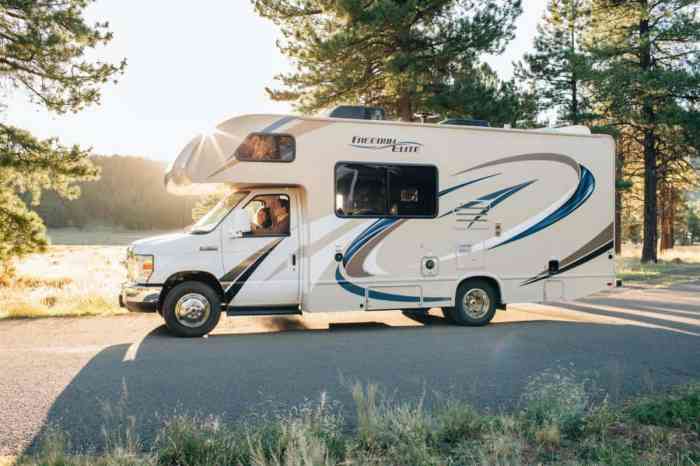
Securing financing for a camper van often involves exploring options beyond national lenders. Local providers, such as banks, credit unions, and RV dealerships, can offer tailored financing solutions. These entities often have a better understanding of local market conditions and may provide more flexible terms. They might also offer more personalized service, potentially leading to quicker approvals and a more comfortable loan process.
Understanding the specific financing options available from local providers allows for informed decisions. This section will provide information on local financing providers, their contact information, and the criteria they use to evaluate loan applications. Knowing these details can help streamline the financing process and increase your chances of securing the best possible loan terms.
Local Financing Options
A range of local financial institutions can assist with camper financing. This includes banks, credit unions, and RV dealerships. Each institution may have specific requirements and loan products designed for recreational vehicles.
| Provider Type | Description | Contact Information Example |
|---|---|---|
| Local Banks | Traditional financial institutions with a presence in your area. They typically have established lending procedures and potentially offer competitive interest rates. | First National Bank: (XXX) XXX-XXXX; [bank website address] |
| Credit Unions | Non-profit financial cooperatives often serve specific communities. They often offer competitive rates and personalized service. | Community Credit Union: (XXX) XXX-XXXX; [credit union website address] |
| RV Dealerships | Dealers specializing in recreational vehicles often have in-house financing options. They often provide bundled packages including the camper and financing. | ABC RV Sales: (XXX) XXX-XXXX; [dealer website address] |
Finding Financing Options Near You
Locating local financing providers is straightforward. Start by searching online using s like “camper financing [your city],” “RV financing [your state],” or “credit unions near me.” Reviewing local business directories and using online search tools can yield a list of potential lenders. You can also ask friends, family, or colleagues for recommendations. Many RV dealerships will also have a list of financing options available on their websites.
Criteria for Loan Application Assessment
Each lender assesses loan applications based on various factors. These factors are often consistent across institutions, including credit history, income verification, and the down payment offered. However, specific requirements can differ. For instance, credit unions may place a greater emphasis on community involvement. Dealerships may favor customers who purchase the vehicle from their location.
Lenders typically consider factors like your credit score, income, debt-to-income ratio, and the amount of the down payment to determine your loan eligibility and the interest rate.
The more information you provide to a lender, the more accurately they can assess your loan application. Providing detailed financial documentation will support your application.
Financial Considerations
Securing a camper loan involves careful evaluation of your financial situation and understanding the associated costs. This section delves into key financial factors to help you make an informed decision. A comprehensive understanding of these factors empowers you to manage the loan effectively and plan for the long-term expenses of camper ownership.
Factors Influencing Camper Loan Decisions
Understanding the factors that influence your loan approval and terms is crucial. Various aspects of your financial profile play a role in determining the loan’s terms and conditions.
| Factor | Explanation |
|---|---|
| Credit Score | A higher credit score generally translates to better loan terms, including lower interest rates and potentially larger loan amounts. A strong credit history demonstrates responsible financial management, making you a lower-risk borrower. |
| Income | Your income directly impacts your ability to repay the loan. Lenders assess your income to ensure you can comfortably manage the monthly payments. |
| Debt-to-Income Ratio (DTI) | The DTI ratio, calculated by dividing your monthly debt payments by your gross monthly income, indicates your debt burden. A lower DTI typically signifies a better creditworthiness. Lenders want to see that you can comfortably manage additional debt from the camper loan. |
Budgeting and Loan Repayment Schedules
Careful budgeting is essential for managing the financial implications of owning a camper. Planning your budget proactively, including the loan’s repayment schedule, ensures you can comfortably accommodate the associated costs.
Developing a detailed budget that incorporates the loan’s monthly payments, insurance premiums, maintenance expenses, and potential travel costs is crucial. Regular review and adjustment of the budget are vital to account for unforeseen circumstances.
Understanding Interest Rates, Fees, and Loan Terms
Thorough research into interest rates, fees, and other loan terms is vital. Understanding these aspects allows you to compare different loan options effectively and select the most suitable one.
Lenders often charge various fees, including origination fees, application fees, and prepayment penalties. Scrutinize these fees carefully to avoid any hidden costs. Comprehending the interest rate structure and how it impacts your total loan repayment is essential.
Costs of Owning and Maintaining a Camper
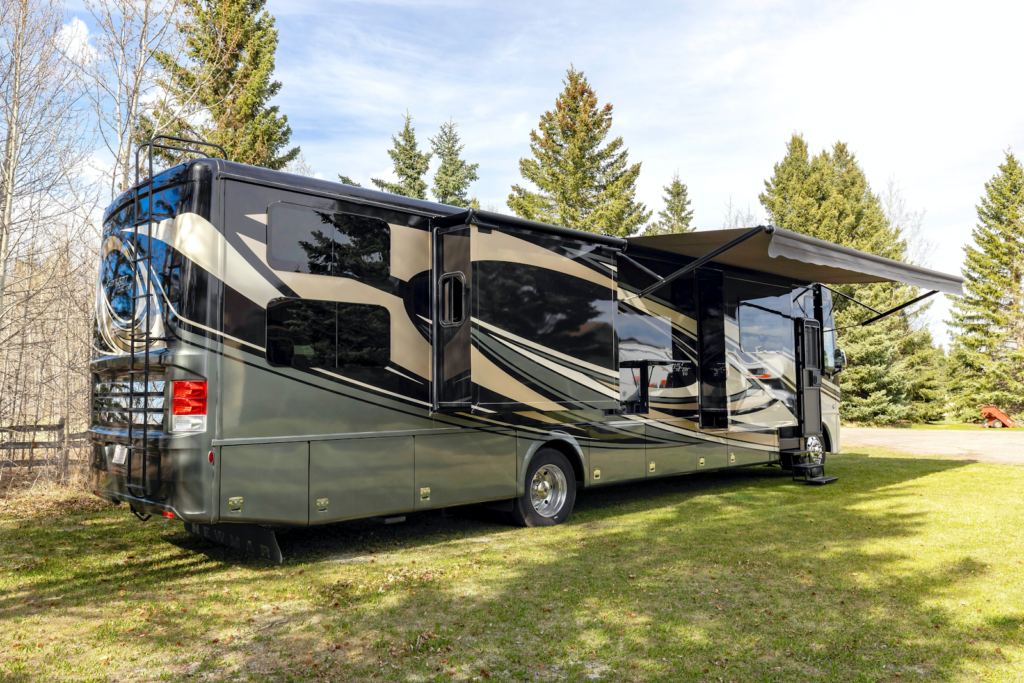
Owning a camper entails more than just the loan payment. Anticipating and budgeting for the ongoing expenses associated with ownership is crucial.
- Insurance: Campers, like any vehicle, require insurance coverage. Premiums can vary based on the camper’s value, features, and your location. Be prepared for these costs, which are a regular expense.
- Maintenance: Regular maintenance is essential to ensure the camper’s longevity and optimal performance. Expect costs for routine servicing, repairs, and replacements. Examples include tire changes, awning repairs, or electrical system checks.
- Fuel: Campers often have larger fuel tanks than typical vehicles. Fuel costs can significantly impact your trips and total ownership expenses.
- Campgrounds and Amenities: Campground fees and associated amenities, such as water, electricity, and sewer hookups, add to the total cost of camping. Calculate the costs of various campgrounds to plan accordingly.
Comparing Financing Offers
Once you’ve explored various financing options and understood the key terms, the next step is to meticulously compare offers from different providers. This involves a thorough evaluation of interest rates, loan terms, and associated fees. Careful comparison is crucial to securing the most favorable financing terms for your camper purchase.
Comparing Financing Options
A systematic comparison of financing offers is essential to make an informed decision. This involves scrutinizing interest rates, loan terms, and associated fees for each option. Consider the total cost of the loan, not just the initial interest rate, to ensure a comprehensive understanding of the financing agreement.
Financial Offer Comparison Table
The following table provides a sample comparison of financing offers. This example highlights key factors to consider when evaluating different options. Remember that actual rates and terms will vary based on your creditworthiness and the specific lender.
| Financing Provider | Interest Rate (APR) | Loan Term (Years) | Loan Amount | Monthly Payment | Total Interest Paid | Additional Fees |
|---|---|---|---|---|---|---|
| Bank A | 7.5% | 5 | $25,000 | $500 | $2,500 | Origination Fee: $200 |
| Credit Union B | 6.8% | 5 | $25,000 | $475 | $2,300 | Origination Fee: $150 |
| Online Lender C | 7.2% | 6 | $25,000 | $450 | $2,800 | No additional fees |
Negotiating Loan Terms
Negotiating loan terms can potentially lead to more favorable financing conditions. This involves proactively engaging with the lender to explore potential modifications to the interest rate, loan term, or fees. Strong negotiating skills can significantly influence the final loan agreement.
“A proactive approach to negotiating can yield substantial savings on your financing.”
Strategies for negotiating include:
- Highlighting your strong credit history to demonstrate your ability to manage debt.
- Comparing the lender’s offer with those from other institutions to demonstrate market competitiveness.
- Requesting a lower interest rate, longer loan term, or reduced fees to find mutually beneficial terms.
- Understanding the lender’s motivations and policies to tailor your negotiation strategy accordingly.
Steps to Finance a Camper
Securing financing for a campervan can be a straightforward process once you understand the steps involved. Careful planning and preparation are key to a smooth transaction and a favorable financing rate. This section articulates the essential steps, from pre-approval to selecting the perfect camper.
Creating a Budget
A realistic budget is crucial for determining the affordability of a camper and the loan amount needed. Factor in not just the purchase price but also anticipated costs such as insurance, taxes, maintenance, and potential storage fees. Consider how this expenditure fits within your overall financial plan. For example, if you’re already paying off a mortgage or other significant debts, you’ll need to factor that into your budget to avoid overextending yourself. A thorough budget allows you to accurately assess your financial capacity and make informed financing decisions.
Pre-Approval Process
Obtaining a pre-approval from a lender allows you to negotiate the best possible terms and avoid getting caught up in the emotions of the purchase. This process involves providing financial information to lenders, such as your credit history, income, and debt-to-income ratio. Lenders use this information to assess your creditworthiness and determine the loan amount and interest rate they are willing to offer. Understanding the pre-approval process and the potential financial implications is crucial. Lenders will often require documentation to verify your income and assets, such as pay stubs, tax returns, and bank statements. This documentation ensures accuracy and helps the lender assess your financial capacity for the loan.
Selecting a Camper
Before finalizing financing, careful consideration of the camper you desire is essential. Research different models, features, and brands. Compare prices and specifications across various dealers. Consider the camper’s suitability for your planned usage and the specific needs of your trips. For instance, if you plan on frequent off-roading, a more robust model with appropriate suspension might be necessary. If you primarily use the camper for weekend getaways, a more basic model might suffice. Thorough research ensures you select a camper that aligns with your budget and travel style.
Documents Required for Financing
The necessary documents for financing vary depending on the lender and the specific financing method. Generally, expect to provide proof of income, such as pay stubs or tax returns. Documentation of assets, like bank statements, is also common. The lender may also request proof of identity, such as a driver’s license or passport. Specific requirements can vary; therefore, consulting with the lender is recommended.
- Personal Identification: Valid driver’s license, passport, or other government-issued photo ID.
- Proof of Income: Recent pay stubs, tax returns, or other documentation demonstrating consistent income.
- Credit Report: A credit report reveals your credit history and helps lenders assess your risk profile.
- Bank Statements: A record of your assets and financial activity provides lenders with a clear picture of your financial situation.
- Down Payment Proof: Documentation of the down payment amount, including bank transfers or cash deposit records.
Applying for Financing
Once you’ve selected a camper and obtained pre-approval, you can apply for financing. Complete the application form, providing all the required information accurately. Be prepared to answer questions about your financial situation and the details of the camper purchase. This step involves a crucial review of the terms of the financing to ensure everything aligns with your expectations. Review the terms and conditions carefully to avoid misunderstandings later on.
Closing the Deal
After successful application and approval, you will receive the financing agreement. Carefully review all terms, including interest rates, loan terms, and repayment schedule. Confirm that the agreement reflects the pre-approval conditions. Signing the agreement finalizes the financing process. This process marks the completion of the camper financing, ensuring you’re prepared for the enjoyment of your new purchase.
Illustrative Examples
Understanding the intricacies of camper financing requires practical examples. This section provides a case study and explores the impact of different financing choices, highlighting advantages and disadvantages of various loan terms. These examples will illustrate how to evaluate financing offers based on individual needs.
Case Study: Sarah’s Camper Purchase
Sarah, a 30-year-old software engineer, desires to purchase a used campervan for weekend getaways. Her current financial situation includes a stable income of $6,000 per month, with $1,500 in monthly housing expenses and $1,000 in other fixed expenses. She has $10,000 in savings and no outstanding high-interest debt.
Loan Options for Sarah
Several financing options are available to Sarah, each with different terms and conditions.
- Option 1: Traditional Loan (5-year term) – Sarah secures a 5-year loan with a 6% interest rate. This allows her to borrow $25,000 with a monthly payment of approximately $500. This option involves a fixed monthly payment for the loan duration. The total interest paid over the loan’s life is approximately $1,200.
- Option 2: Alternative Lender (3-year term) – Sarah chooses an alternative lender offering a 3-year loan with a 7% interest rate. This option allows her to borrow $25,000 with a monthly payment of approximately $750. The total interest paid over the loan’s life is approximately $1,600. This option is attractive due to the shorter loan term, but comes with a higher monthly payment and a slightly higher total interest cost.
- Option 3: No Loan (All Cash) – Sarah uses her $10,000 savings and takes a personal loan for the remaining $15,000, opting for a shorter-term loan. This eliminates interest payments, but requires careful management of her savings and the potential for taking on additional debt.
Financial Impact of Different Choices
The financial impact of each option varies significantly.
| Loan Option | Monthly Payment | Total Interest Paid | Loan Term |
|---|---|---|---|
| Option 1 (5-year) | $500 | $1,200 | 5 years |
| Option 2 (3-year) | $750 | $1,600 | 3 years |
| Option 3 (All Cash) | N/A | $0 | N/A |
Assessing Financing Offers
Evaluating financing offers necessitates considering individual circumstances.
- Income and Expenses – Sarah’s stable income allows her to comfortably manage loan repayments. Variable income or significant expenses would necessitate a more cautious approach.
- Interest Rates – The interest rate directly affects the total cost of the loan. Lower interest rates lead to lower monthly payments and reduced overall interest costs.
- Loan Term – A shorter loan term results in higher monthly payments but less total interest paid. A longer loan term offers lower monthly payments but increases total interest over time.
- Available Funds – Sarah’s $10,000 savings significantly impacts her options. Individuals with limited savings may need to explore more financing options or consider a larger down payment.
Sarah’s Final Decision
Considering her financial stability and desire for a balance between monthly payments and total interest costs, Sarah chooses Option 1 (5-year loan). This option aligns with her current budget, while minimizing the total cost of the loan over the loan term.
Final Conclusion
In conclusion, financing a camper near you involves careful consideration of your needs, available options, and local providers. By thoroughly evaluating your financial situation, comparing financing offers, and understanding the steps involved, you can confidently navigate the process and secure the best possible deal. This guide provides a roadmap for your camper financing journey, empowering you to make informed choices and embark on your desired adventures.