Used RV Financing Near Me Your Guide
Used RV financing near me is a crucial step in your RV adventure. Navigating the various options, lenders, and considerations can feel overwhelming. This guide simplifies the process, providing a comprehensive overview of loan types, financing providers, and crucial factors to consider before committing. From understanding the nuances of different financing options to locating lenders in your area, we’ll equip you with the knowledge to make informed decisions and secure the best financing for your used RV.
We’ll delve into essential aspects like evaluating financing offers, understanding the impact of credit scores, and the steps involved in applying for a loan. Further, we’ll explore the valuation of used RVs, the critical connection between financing and insurance, and address common concerns to help you make the right choices.
Understanding Financing Options
Finding the right financing for your used RV is crucial for a smooth purchase. Understanding the various options available will empower you to make an informed decision, aligning your budget with your desired RV. Different lenders and programs cater to various needs, and careful comparison is key.
Types of Used RV Financing
Various financing options are available for used RVs, each with its own set of advantages and disadvantages. This section details the most common types, helping you assess which fits your situation best.
- Traditional Loans: These loans are typically offered by banks or credit unions. They often involve a credit check and require a down payment. The terms are usually more structured and predictable. Interest rates can vary significantly based on creditworthiness.
- Dealer Financing: Many RV dealerships offer financing options directly. This often provides a convenient one-stop shop, streamlining the process. However, interest rates might not be the most competitive, and terms could be less favorable compared to other options.
- Private Loans: Borrowing from individuals or private lenders can offer potentially lower interest rates, especially if you have a strong relationship with the lender. This can bypass traditional credit checks and requirements. However, this option involves greater risk and less oversight, potentially leading to complications if not handled carefully.
Comparing Financing Options
A comprehensive understanding of the different financing options is crucial. A structured comparison will help you choose the optimal fit.
| Loan Type | Interest Rates (Estimated) | Down Payment | Repayment Terms |
|---|---|---|---|
| Traditional Loan | 4-8% (variable) | 10-20% | 10-25 years |
| Dealer Financing | 5-9% (variable) | 5-15% | 5-20 years |
| Private Loan | 3-7% (variable) | 0-10% (negotiable) | 3-10 years |
Note: Interest rates and terms are estimates and can vary significantly based on individual creditworthiness, the RV’s condition, and the lender’s policies.
Pros and Cons of Each Option
A deeper dive into the advantages and disadvantages of each option is essential.
- Traditional Loans: Pros include established processes, predictable terms, and recourse if issues arise. Cons might include potentially higher interest rates and stricter eligibility criteria.
- Dealer Financing: Pros include convenience and a streamlined process. Cons include potentially higher interest rates and less flexibility in terms compared to traditional loans.
- Private Loans: Pros include potential lower interest rates and quicker approvals. Cons include higher risk and less oversight compared to traditional options.
Locating Financing Providers
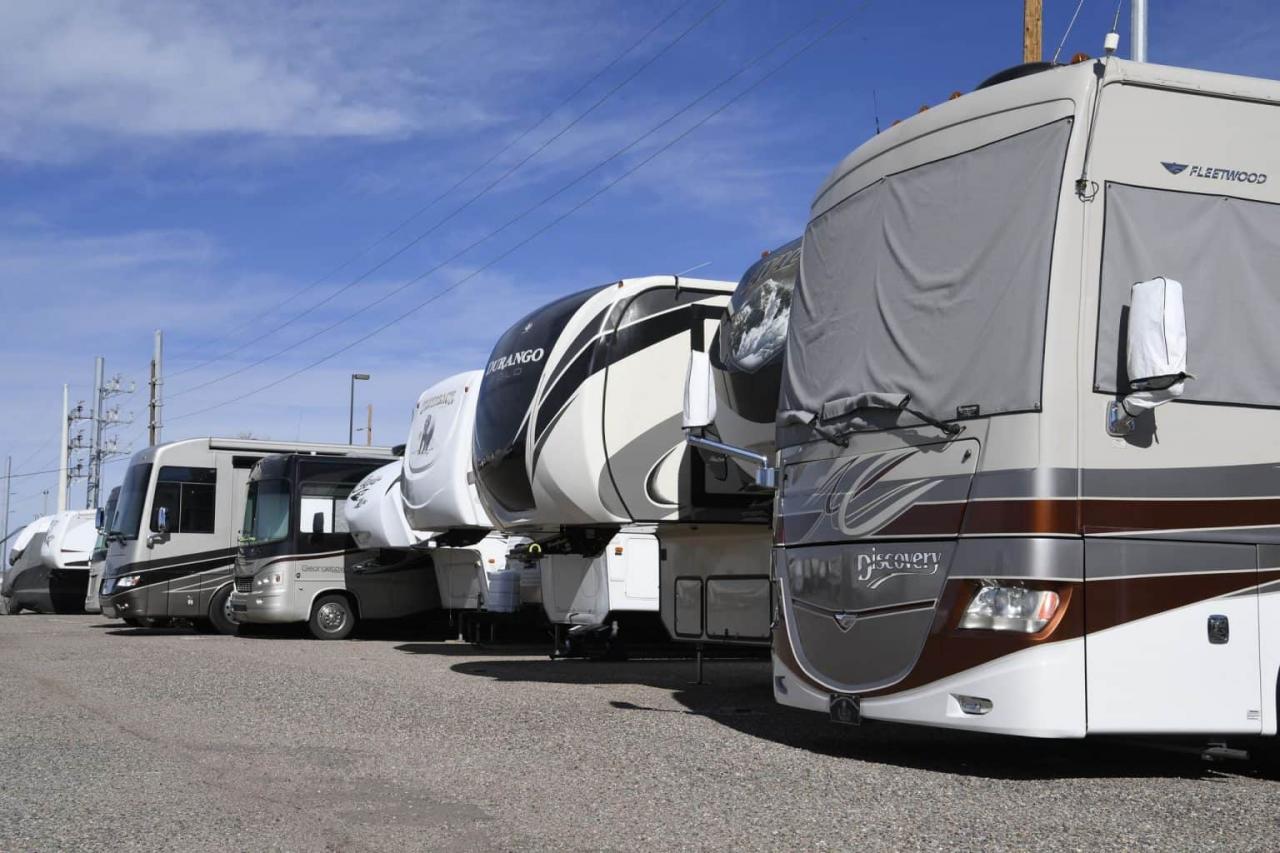
Source: stayontrails.com
Finding the right financing for your used RV can feel like a scavenger hunt. Fortunately, numerous avenues exist to locate suitable lenders and dealerships offering RV financing options. This section details the various methods for identifying potential financing providers near you.
Locating financing providers requires a proactive approach. Understanding your financing needs and exploring various options will lead you to the most suitable provider. This process involves research, comparison, and direct communication, each contributing to a successful financing outcome.
Different Ways to Find Financing Providers
Various methods can help you identify RV financing providers. Online searches are increasingly popular, while local dealerships and direct contact with lenders are also viable avenues. The best approach often involves combining these methods for a comprehensive search.
Role of Online Search Engines
Online search engines are invaluable tools for locating financing providers. Specifics, like “used RV financing near me,” or “RV financing companies [city name],” are crucial for targeted results. Refining searches with location-based parameters further improves the accuracy of results. Filtering results by lender type (banks, credit unions, etc.) can also narrow down the search to better match your requirements.
Finding Local RV Dealerships
Local RV dealerships are excellent sources of financing options. Dealerships often partner with various lenders, streamlining the financing process. Checking with dealerships in your area, especially those specializing in used RVs, is a practical approach. Visiting dealerships in person can provide insights into their financing options and potentially secure a better deal.
Contacting Financing Providers Directly
Direct contact with potential financing providers is another viable option. Many lenders maintain websites with contact information, enabling direct inquiries about financing options. Phone calls or emails can provide detailed information on specific loan terms, interest rates, and eligibility criteria. This approach is particularly helpful for those seeking customized financing solutions.
Online Resources for Used RV Financing
Numerous online resources can aid in your search for used RV financing. These resources often provide comparisons of different lenders, simplifying the process of selecting the best financing option. These online resources provide a wealth of information and potential options for used RV financing.
Online Platforms, Search Engine Tactics, and Dealership Websites
| Category | Example | Description |
|---|---|---|
| Online Platforms | RVfinancing.com, RV Trader | These platforms often aggregate financing options from multiple lenders. They can be useful for quick comparisons. |
| Search Engine Tactics | “used RV financing near [city name]”, “RV financing credit unions” | Using specific terms in your search improves accuracy and helps locate relevant lenders in your area. |
| Dealership Websites | [Example Dealership Name]’s website | Many dealerships feature financing options directly on their website. Checking their financing details can streamline the search process. |
Evaluating Financing Offers
Source: rvpioneers.com
Careful evaluation of financing offers is crucial for securing the best possible RV loan. A poorly considered loan can lead to significantly higher overall costs, impacting your budget and potentially increasing financial strain. Understanding the nuances of different offers is paramount to making an informed decision.
Thorough comparison of financing options ensures you’re not overlooking potentially better deals. Factors such as interest rates, fees, and repayment terms directly influence the total cost of your loan, and a meticulous analysis is key to achieving the most favorable financing terms.
Comparing Financing Offers
Understanding and comparing various financing offers is essential to securing the most advantageous terms. This involves a careful review of key elements that determine the overall cost of the loan.
- Interest Rates: Interest rates are a primary factor influencing the total cost of the loan. Lower interest rates lead to lower monthly payments and reduced overall interest paid over the life of the loan. A 1% difference in interest rate can significantly impact the total amount paid over the life of a loan.
- Fees: Various fees, such as origination fees, application fees, and prepayment penalties, can substantially increase the overall cost of the loan. Understanding these fees and their potential impact on your total loan costs is essential for informed decision-making. Review all fees carefully and seek clarification on any unclear charges.
- Loan Terms: Loan terms, encompassing the repayment period and the amount borrowed, are critical factors. Shorter repayment periods often lead to higher monthly payments, while longer periods result in lower monthly payments but a greater total interest paid. Consider your budget and financial goals when selecting a loan term.
- Repayment Periods: A longer repayment period means lower monthly payments but more interest paid overall. A shorter period results in higher monthly payments but less interest paid. Choose a repayment period that aligns with your budget and financial capabilities.
Understanding and Calculating Total Costs
Calculating the total cost of a loan involves more than just the stated interest rate. A crucial aspect is understanding the total cost of borrowing, considering all fees and interest.
Total loan cost = Principal + Interest + Fees
A detailed breakdown of all fees and interest is vital. A simple calculation example: A $50,000 loan with a 6% interest rate over 5 years might result in a total cost of $58,000, including interest and fees. Comparing different offers involves calculating the total cost for each option to identify the most economical choice.
Comparing Loan Terms
Using a loan amortization calculator can help in comparing different loan terms effectively. This tool calculates the monthly payments and the total interest paid over the loan’s lifespan for various interest rates and loan periods. Inputting different scenarios allows for a direct comparison of loan costs.
Avoiding Hidden Fees and High-Interest Rates
Scrutinize all loan documents for hidden fees. Seek clarification from lenders regarding any unclear or unusual fees. Compare interest rates and loan terms from multiple lenders to identify the most competitive offer. Do not hesitate to ask questions about any aspects of the loan that are unclear.
Essential Criteria for Comparing Financing Offers
| Criteria | Description | Importance |
|---|---|---|
| Interest Rate | Percentage charged on the loan amount. | Lower rates lead to lower total costs. |
| Fees | Charges associated with the loan process. | Fees significantly impact total costs. |
| Loan Term | Duration of the loan repayment. | Shorter terms have higher monthly payments, but lower total interest. |
| Repayment Period | Length of time to repay the loan. | Longer periods have lower monthly payments, but higher total interest. |
| Total Loan Cost | Sum of principal, interest, and fees. | Crucial for evaluating the overall cost of the loan. |
Factors Affecting Financing Decisions
Securing financing for a used RV involves a multifaceted evaluation process. Lenders meticulously consider various factors to assess the risk associated with the loan. Understanding these factors is crucial for prospective RV buyers to navigate the process effectively and increase their chances of approval.
Lenders evaluate a multitude of criteria to determine the viability of a loan application. These range from the applicant’s credit history and income to the specific terms of the loan itself, such as the down payment and loan amount. A thorough understanding of these factors empowers borrowers to present a compelling case and improve their likelihood of receiving favorable financing terms.
Credit Score and History
Credit scores and history are paramount in the RV financing process. A strong credit profile signifies a responsible borrower with a history of repaying debts on time. Lenders use this information to assess the likelihood of the borrower defaulting on the loan. A higher credit score often translates to lower interest rates and more favorable loan terms. Conversely, a poor credit history might result in higher interest rates, stricter loan terms, or even denial of the loan application.
Down Payment Amount
The down payment amount plays a significant role in loan approval. A larger down payment demonstrates the borrower’s financial commitment and reduces the lender’s risk. This, in turn, often leads to more favorable interest rates and loan terms. A smaller down payment might necessitate a higher interest rate or a stricter loan-to-value ratio (LTV), potentially impacting the overall cost of financing. For instance, a 20% down payment often qualifies for better terms than a 5% down payment.
Improving Credit Scores
Improving credit scores is a crucial step in enhancing approval chances. Consistent on-time payments on existing debts, such as credit cards and loans, are key to improving credit scores. Avoiding unnecessary credit inquiries and maintaining a low credit utilization ratio (the percentage of available credit being used) also contributes positively. Paying down outstanding balances and keeping credit accounts in good standing can positively influence credit scores over time. Utilizing credit counseling services can also be beneficial in developing a more comprehensive understanding of credit management strategies.
Income Verification
Income verification is another critical factor. Lenders need to ensure the borrower can afford the monthly loan payments. Documentation of stable and consistent income, such as pay stubs, tax returns, and employment verification, is vital to demonstrate the borrower’s ability to repay the loan. Fluctuations in income or inconsistent employment history might raise concerns and potentially lead to loan denial.
Credit Score Ranges and Loan Approval Chances
The following table provides a general comparison of credit score ranges and their associated impact on loan approval chances. Keep in mind that these are general guidelines, and individual circumstances can vary.
| Credit Score Range | Impact on Loan Approval Chances |
|---|---|
| 700-850 | High approval chances, often with favorable interest rates and terms. |
| 650-699 | Moderate approval chances, potentially with slightly higher interest rates or stricter terms. |
| 600-649 | Lower approval chances, likely with higher interest rates and stricter terms. |
| Below 600 | Low approval chances, potentially denial of the loan application. |
Steps in Applying for Financing: Used Rv Financing Near Me
Securing RV financing involves a structured process. Understanding the steps involved will streamline the application process and increase your chances of securing favorable terms. This section details the crucial steps in applying for used RV financing, from initial preparation to final approval.
Gathering Necessary Documents
Thorough preparation is key to a smooth financing application. The necessary documentation varies depending on the lender, but generally includes personal identification, financial information, and proof of the RV’s value. Accurate and complete documentation is essential for a swift approval process.
- Valid government-issued photo ID (driver’s license, passport).
- Proof of income (pay stubs, tax returns, W-2 forms).
- Proof of residence (utility bills, lease agreement).
- Credit report (a copy or access to your credit report).
- Vehicle history report (title and/or registration documents). This is crucial for evaluating the RV’s condition and history.
- Down payment information (if applicable).
Completing the Application Form
Accuracy is paramount in completing the financing application form. Inaccurate or incomplete information can delay or even deny your application. Carefully review all sections and provide truthful details. Use clear and legible handwriting or digital input for online forms.
- Provide precise details about your personal and financial information, including employment history, income, and debts.
- Specify the RV’s details accurately, including year, make, model, mileage, and VIN (Vehicle Identification Number).
- Be precise about the desired loan amount, repayment terms, and the interest rate you are seeking.
Submitting the Application
The application can be submitted either online or in person. Online applications are convenient, often allowing for quicker processing. In-person applications can be advantageous for clarifying any questions or addressing concerns directly.
- Online Submission: Many lenders offer online application portals. Follow the prompts carefully, ensuring all required fields are filled accurately. Upload the necessary documents, ensuring they are in the correct format.
- In-Person Submission: Contact the lender directly to schedule an appointment for an in-person application. Bring all required documents in original format, as copies may not suffice. Be prepared to discuss the application in detail with the lender’s representative.
Importance of Accurate Information, Used RV Financing near me.
Providing accurate information is vital for a positive financing outcome. Inaccurate information can lead to delays, denial, or even legal issues. Double-checking details before submission is essential.
“Providing accurate information is paramount for a smooth and successful financing process.”
Reviewing and Finalizing
Once submitted, review the loan terms carefully. Verify the interest rate, loan amount, and repayment schedule. If any discrepancies are found, contact the lender immediately to address them.
| Step | Description |
|---|---|
| 1 | Gather required documents. |
| 2 | Complete the application form accurately. |
| 3 | Apply online or in person. |
| 4 | Review loan terms and contact the lender for clarification if needed. |
Understanding RV Valuation
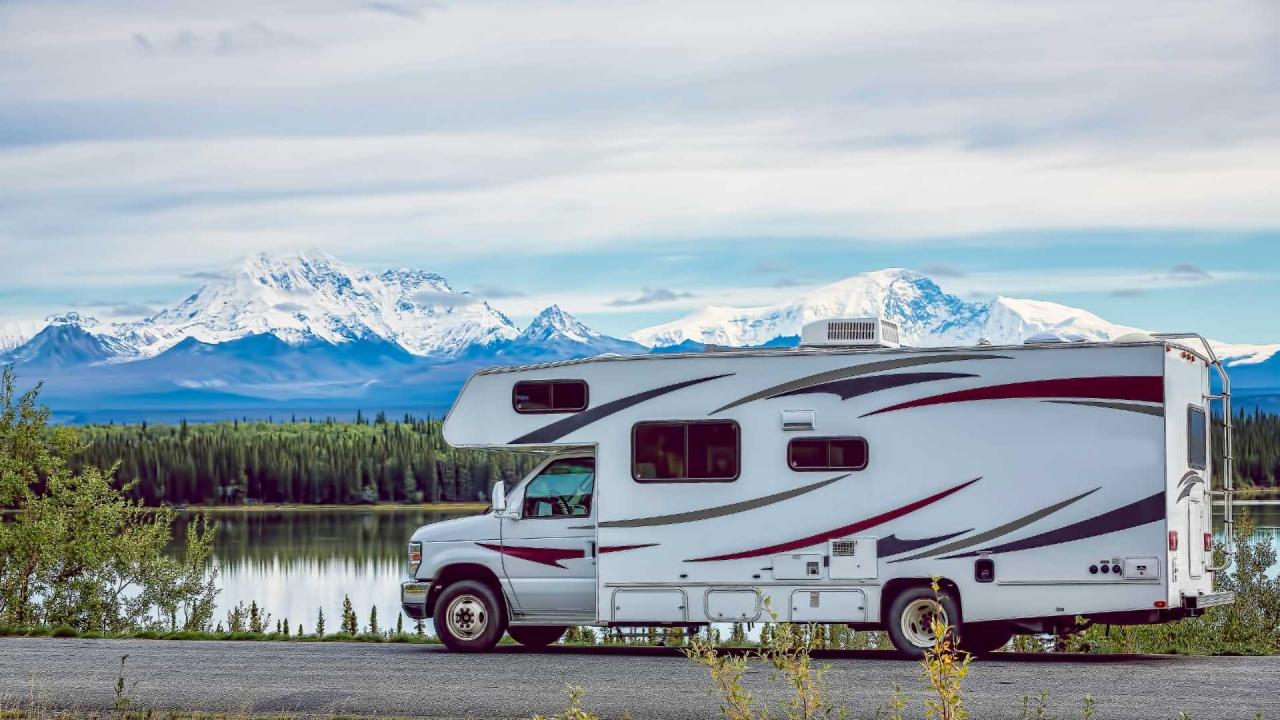
Source: usapowersportsfinancing.com
Determining the fair market value of a used RV is crucial for both buyers and sellers. This process ensures a transaction that reflects the RV’s current worth and helps both parties make informed decisions. A thorough understanding of valuation methods is essential for navigating the financing process successfully.
Accurate RV valuation is essential in the financing process, as it helps establish a realistic purchase price. This process involves considering various factors to arrive at a fair market value that aligns with the current market conditions. By understanding the valuation process, buyers and sellers can negotiate effectively and avoid potential financial risks.
Methods for Determining Fair Market Value
A variety of methods can be used to determine the fair market value of a used RV. These methods provide a comprehensive approach to assessing the worth of the vehicle. Each method has its strengths and limitations, and the best approach may depend on the specific RV and market conditions.
- Dealer Appraisal: RV dealerships often have their valuation methods. These appraisals can be useful for a comparison to other valuation methods but should be viewed with the understanding that the dealership’s interest is in selling the RV.
- Online Valuation Tools: Numerous online tools provide estimates of RV values based on various inputs. These tools often use algorithms based on historical sales data and current market trends to generate an estimated value. Examples include RV Trader, RV.com, and similar platforms.
- Certified RV Appraiser: Certified RV appraisers possess specialized knowledge and experience in evaluating RVs. They consider various factors, such as model year, mileage, condition, and features, to arrive at a comprehensive valuation. Their expertise ensures a more detailed and accurate valuation.
Factors Affecting RV Value
Several factors significantly influence the value of a used RV. Understanding these factors helps in accurately assessing the worth of a particular RV.
- Model Year: Newer models generally command higher prices compared to older models, reflecting advancements in technology and features.
- Mileage: Lower mileage typically correlates with higher value, as it indicates less wear and tear on the RV’s components. However, mileage is not the sole determinant of value.
- Condition: The overall condition of the RV significantly impacts its value. Factors such as paint, upholstery, and mechanical components play a role in determining the RV’s condition and, subsequently, its worth.
- Features: Features such as slide-outs, awnings, and extra storage space can increase the value of an RV. These features enhance the RV’s functionality and appeal to buyers.
- Market Conditions: Current market trends, supply and demand, and economic conditions all contribute to the overall value of the RV. A high demand for RVs in a particular area, for instance, can increase the prices.
Impact of Valuation on Financing
The valuation process plays a critical role in the financing process. A realistic valuation of the RV is essential for determining the loan amount that can be obtained.
- Loan Amount Determination: The appraised value directly influences the loan amount that a lender is willing to provide. A higher appraised value generally leads to a larger loan amount.
- Interest Rates: The appraised value can also indirectly affect interest rates. A higher appraised value may result in more favorable interest rates.
- Down Payment: The loan amount, in turn, influences the required down payment. A higher loan amount may necessitate a larger down payment to secure the financing.
Comparison of RV Valuation Methods
The following table summarizes the different RV valuation methods, highlighting their advantages and disadvantages.
| Valuation Method | Advantages | Disadvantages |
|---|---|---|
| Dealer Appraisal | Quick and readily available | Potential bias towards selling |
| Online Valuation Tools | Convenient and fast | May not be completely accurate |
| Certified RV Appraiser | Detailed and accurate | More time-consuming and costly |
RV Financing and Insurance
Securing financing for your recreational vehicle (RV) is a significant step, but it’s equally crucial to consider the necessary insurance coverage. A comprehensive insurance policy protects your investment against various risks, from accidents to theft and natural disasters. Understanding the interplay between financing and insurance is vital for responsible RV ownership.
Proper insurance coverage is essential to safeguard your investment and maintain financial stability. The insurance policy acts as a safety net, mitigating potential financial losses arising from unforeseen circumstances. This protection is particularly important when an RV is financed, as the lender often requires insurance to ensure the loan’s security. Without adequate insurance, the financial repercussions of damage or loss could be severe.
Connection Between RV Financing and Insurance
RV financing agreements frequently include clauses requiring insurance. Lenders often stipulate that the RV must be insured to protect their financial interest in the vehicle. Failure to maintain adequate coverage can lead to repossession or other repercussions. The insurance policy acts as a form of collateral, ensuring the lender is protected in case of damage or theft.
Importance of Insurance Coverage
Comprehensive insurance coverage for an RV is vital for several reasons. It protects against unforeseen events, such as accidents, vandalism, fire, or theft. Beyond financial protection, insurance also provides peace of mind, allowing you to enjoy your RV adventures without constant worry. The cost of repairs or replacement for an RV can be substantial, and insurance mitigates this risk.
Different Insurance Options for RVs
Various insurance options cater to different needs and budgets. Policies may differ in terms of coverage limits, deductibles, and types of perils covered. Some common types include comprehensive coverage, collision coverage, and liability coverage. Each policy has its limitations and exclusions, which should be carefully reviewed.
Process of Getting Insurance Quotes
Obtaining insurance quotes is straightforward. Contacting multiple insurance providers is advisable. Different insurers may offer varying premiums and coverage options. Requesting quotes from different companies allows you to compare and select the most suitable policy. Factors such as the RV’s age, model, and value, as well as your driving history, will influence the premiums.
Role of Insurance in Protecting Your Investment
Insurance acts as a safeguard for your RV investment. It protects against financial losses arising from damage, theft, or other unforeseen circumstances. Insurance payouts help cover the cost of repairs or replacement, ensuring your investment remains protected. This protection is especially critical during the financing period.
Different Insurance Types and Coverage Details
| Insurance Type | Coverage Details |
|---|---|
| Comprehensive Coverage | Covers damage to the RV from perils other than collisions, such as fire, vandalism, hail, or theft. |
| Collision Coverage | Covers damage to the RV caused by a collision with another vehicle or object. |
| Liability Coverage | Covers the liability of the RV owner in the event of an accident causing bodily injury or property damage to others. |
| Uninsured/Underinsured Motorist Coverage | Provides coverage if you are involved in an accident with an uninsured or underinsured driver. |
Addressing Common Concerns
Used RV financing can be a complex process, and potential buyers often have concerns. Understanding these concerns and their solutions is key to a smooth transaction. This section addresses common anxieties, provides practical solutions, and highlights potential pitfalls to avoid.
Common Concerns Regarding Used RV Financing
Many potential buyers have legitimate concerns about used RV financing. These range from questions about affordability and interest rates to the complexities of the application process. Addressing these concerns proactively can ease the process and lead to a positive outcome.
Affordability and Budget Concerns
Budgeting for an RV purchase is crucial. Buyers should meticulously assess their financial situation, including existing debts, monthly expenses, and projected income. They should not only factor in the purchase price but also the ongoing costs of RV ownership, such as insurance, maintenance, and potential repairs. Creating a detailed budget that includes all expected costs is paramount.
Interest Rates and Loan Terms
Interest rates and loan terms directly impact the total cost of the financing. Buyers should compare interest rates offered by various lenders. Longer loan terms may result in lower monthly payments but increase the overall interest paid over the loan’s life. Shopping around for different loan terms and understanding the impact on the total cost of borrowing is essential.
Creditworthiness and Application Process
Credit scores play a significant role in loan approval. A good credit score significantly increases the chances of securing favorable financing terms. Buyers should ensure their credit report is accurate and address any potential issues beforehand. Understanding the steps involved in the application process, including required documentation and timelines, can ease the process.
Valuation and Condition of the RV
Accurately assessing the RV’s condition and market value is crucial. A pre-purchase inspection by a qualified mechanic can identify potential issues and ensure the RV’s value aligns with its condition. This preventative step can avoid unforeseen costs and ensure a fair price.
Common Pitfalls and How to Avoid Them
One common pitfall is overlooking the ongoing costs of RV ownership. A thorough budget, including maintenance, insurance, and potential repairs, is essential. Another pitfall is not comparing financing options from multiple lenders. Thorough research and comparisons can yield better interest rates and terms.
Steps to Take if Facing Challenges During Financing
If challenges arise during the financing process, immediate communication with the lender is crucial. Documentation of the problem is also important. Explore alternative financing options or seek professional advice if needed. Negotiating with the lender or seller is often a viable solution.
Examples of Common Questions
“How do I determine a fair price for a used RV?”, “What are the common red flags to watch out for during a pre-purchase inspection?”, “How do I calculate the total cost of ownership of an RV?”, “How do I improve my credit score before applying for financing?”
Summary Table of Common Concerns and Solutions
| Concern | Solution |
|---|---|
| Affordability | Create a detailed budget including all anticipated costs. |
| Interest rates and terms | Compare interest rates and loan terms from multiple lenders. |
| Creditworthiness | Review and correct any inaccuracies on credit reports. |
| RV valuation | Conduct a pre-purchase inspection by a qualified mechanic. |
Final Wrap-Up
In conclusion, securing used RV financing near me requires careful consideration of various factors. This guide has outlined a structured approach, from understanding financing options and locating providers to evaluating offers, considering crucial factors, and applying for financing. By understanding RV valuation, insurance considerations, and addressing common concerns, you can confidently navigate the process and find the ideal financing solution for your RV purchase. Remember to compare offers, understand the total costs, and prioritize your financial well-being throughout the process.