Pet-Friendly Hotel Search Your Guide
Pet friendly hotel search – Pet-friendly hotel search is crucial for travelers with furry companions. This exploration dives deep into understanding user needs, from their demographics to travel preferences, and how these factors influence their search. We also examine the search process, comparing different online platforms, and analyzing hotel policies and amenities. The intricacies of pet-related fees, restrictions, and amenities are thoroughly investigated.
The diverse needs of pet owners are considered, including various pet types and sizes. This detailed analysis will provide valuable insights into the challenges and opportunities in the pet-friendly hotel industry. We explore the search experience, from the search result page to the booking process, and offer suggestions for improvements and innovative solutions to enhance the experience for pet owners.
Understanding the User’s Needs

Source: bobnr.com
Pet-friendly hotel searches reflect a growing trend of travelers prioritizing their furry companions. Understanding the motivations and needs of these users is crucial for providing relevant and effective search results. This section delves into the characteristics of pet-friendly travelers, their expectations, and the considerations impacting their decisions.
The typical pet-friendly traveler often prioritizes comfort and safety for both themselves and their animals. They value amenities tailored to their pets, such as pet-sitting services, dog parks, or designated pet-walking areas. These travelers frequently seek hotels with specific pet policies, clear communication regarding pet fees, and options for pet-specific accommodations, such as pet-friendly rooms or suites.
Typical User Demographics and Travel Styles
Pet owners exhibit a diverse range of demographics and travel styles. They may be families, couples, or solo travelers, often with varying levels of experience in traveling with pets. Their travel styles can range from budget-conscious trips to luxury vacations, all prioritizing pet-friendly accommodations. Factors like age, income, and lifestyle significantly influence their choices. For instance, a young professional couple might seek a pet-friendly hotel near their city’s entertainment districts, while a family with children might prioritize a resort with kid-friendly activities and a safe space for their pets.
Types of Pets and Hotel Needs
The diversity of pets travelers bring impacts the hotel’s needs. Large breeds require more space than smaller breeds. Different types of animals have differing needs, like specific dietary requirements or special medical considerations. Hotels need to be aware of these differences and accommodate them. For instance, a hotel catering to dog owners might need to provide separate dog-walking areas and ensure appropriate waste disposal facilities, while a cat owner might appreciate quiet spaces and litter boxes in the rooms. This diversity underscores the need for hotels to offer a range of options to accommodate various pet types.
User Concerns and Frustrations
Common concerns and frustrations revolve around hidden fees, unclear policies, and a lack of pet-specific amenities. Some users might be disappointed by the lack of information on the hotel’s website, making the decision-making process difficult. Concerns about the pet’s well-being, such as access to water, food, or suitable rest areas, are also significant. The inability to accurately assess the pet-friendliness of a hotel based solely on online descriptions or reviews is a frequent frustration.
Key Factors Influencing Decision-Making
Several factors influence a user’s decision when choosing a pet-friendly hotel. These include pet fees, pet-friendly amenities, the hotel’s location, and the availability of pet-sitting services. The reputation of the hotel and reviews from other pet owners also play a vital role. For example, a family with a dog might prioritize a hotel with a dog park, whereas a solo traveler might focus on the hotel’s proximity to their destination. A hotel’s pet policy, including any size or breed restrictions, is a critical consideration.
User Personas and Their Needs
User personas provide a clearer picture of the needs and expectations of pet-friendly travelers. Consider the following examples:
- The Budget-Conscious Couple: This couple prioritizes budget-friendly options while ensuring their small dog has a comfortable stay. They may prefer hotels with basic pet-friendly rooms and minimal pet fees.
- The Family with a Large Dog: This family requires spacious pet-friendly accommodations, ample outdoor space for their dog to play, and potentially pet-sitting services to allow them to fully enjoy their vacation.
- The Solo Traveler with a Cat: This traveler seeks a quiet, clean hotel with access to pet supplies and a space to comfortably house their cat. They value proximity to their destination and a comfortable environment for their pet.
Exploring the Search Process
Finding the perfect pet-friendly hotel requires a well-structured search process. Understanding the available tools and platforms, along with the criteria used for filtering, is crucial to efficiently locating suitable accommodations. This section details the typical search process and common methods for narrowing down options.
A streamlined search process ensures a positive experience. The user-friendly approach to navigating the platform is paramount to the entire process, as this directly influences the user’s experience.
User Flow Diagram for Pet-Friendly Hotel Search
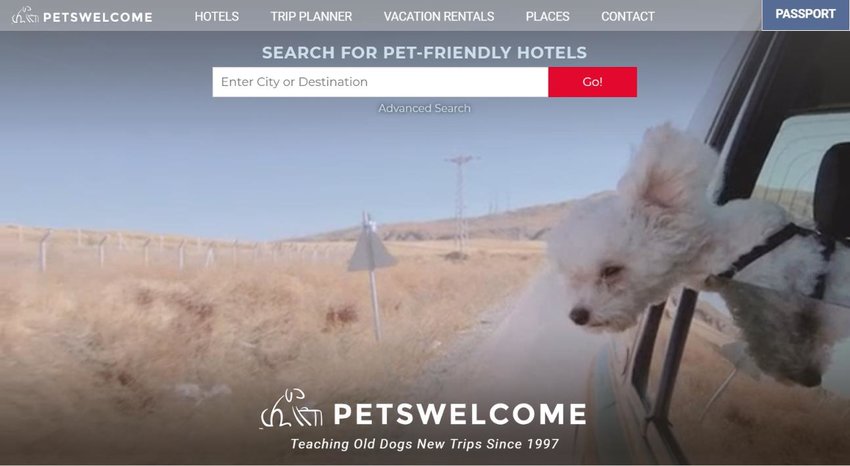
The following diagram articulates the typical steps in a pet-friendly hotel search:
[Diagram of a user flow, showing steps like entering search criteria, filtering options, viewing results, and booking.]
This diagram depicts the common user flow, highlighting the interactive nature of the search process. The steps clearly illustrate the progression from initial input to final booking confirmation.
Comparing Pet-Friendly Hotel Search Platforms
Various online travel agencies (OTAs) offer different features for finding pet-friendly hotels. Comparing these features can significantly influence the user’s choice of platform.
OTA Comparison Table
| OTA | Pet Policy Display | Filtering Options | Booking Process |
|---|---|---|---|
| Expedia | Clear and concise pet policies, often including weight and breed restrictions. | Allows filtering by pet-friendly hotels, and often by pet size and amenities. | Straightforward booking process, with options for adding pet information during the booking. |
| Booking.com | Detailed pet policies, including specific fees and size restrictions. | Robust filtering options, including pet-friendly accommodations and specific amenities. | User-friendly booking interface, allowing for easy input of pet information. |
| Hotels.com | Pet policies are often clearly stated, with options for specifying pet size. | Provides options for filtering by pet-friendly hotels, and also allows filtering by amenities. | Simple booking procedure, enabling seamless addition of pet information. |
| Airbnb | Pet policies vary widely; some listings specify no pets allowed, others have size or breed restrictions. | Allows filtering by pet-friendly options and specific amenities; pet restrictions are often specified in individual listings. | The booking process is similar to other accommodation listings, with clear instructions on pet policies for each listing. |
This table illustrates the varying approaches to displaying pet policies and filtering options. These differences impact the efficiency of the search.
Common Criteria for Filtering Results
Users often filter results based on several key criteria to refine their search. Understanding these factors allows users to narrow down the available options.
- Location: The desired location significantly influences the available options. Proximity to attractions, activities, or specific landmarks often impacts the final selection.
- Pet Policies: Explicit policies on pet size, breed, or other pet-related restrictions. These often impact the cost of accommodation and the availability of specific amenities.
- Amenities: Essential amenities such as pet-specific bedding, bowls, or outdoor space directly impact the overall pet-friendly experience.
- Price: The budget is a primary factor. Understanding the price range and options available will assist in finding affordable options.
- Reviews: User reviews provide valuable insights into the pet-friendly nature of a hotel. Understanding other guests’ experiences with their pets will often influence the choice.
Methods of Filtering by Pet Size, Breed, and Other Criteria
Advanced filtering options enable precise results for specific needs.
- Pet Size: Platforms often allow filtering by pet size (e.g., small, medium, large). This feature allows users to find accommodations that are suitable for their pet’s size.
- Pet Breed: Specific breeds may have additional considerations. While less common, some platforms might allow filtering by breed, which helps identify accommodations with suitable policies for specific breeds.
- Pet-Friendly Amenities: Filtering by amenities, such as dog parks, outdoor play areas, or pet-sitting services, ensures the desired amenities are available.
Analyzing Hotel Policies and Amenities
Understanding pet policies is crucial for a smooth travel experience. Hotels often have specific rules and regulations regarding pets, and these vary significantly between establishments. This section delves into the common communication structures, fees, restrictions, and amenities offered for pet-friendly accommodations.
Hotel policies regarding pets are typically communicated through various channels, including their online booking platforms, websites, and direct contact with the hotel’s staff. These policies often Artikel the permitted pet types, size restrictions, and any associated fees. Clarity and transparency in these policies are paramount to avoid misunderstandings and ensure a positive experience for both pet owners and the hotel.
Hotel Pet Policy Communication, friendly hotel search
Hotel pet policies are often presented in a structured manner, typically including a detailed description of the permitted pet types, size limitations, and associated fees. These policies are usually found on the hotel’s website or in the fine print of the booking confirmation. Direct communication with the hotel staff is also a valuable resource for obtaining the most up-to-date and specific information.
Pet Fees and Restrictions
Common pet fees often include a daily or nightly charge per pet. Restrictions on pet types can vary widely, with some hotels allowing only certain breeds or types of animals, or having weight restrictions. Additional rules might involve the necessity of a pet health certificate or proof of vaccinations. Specific regulations, such as leash requirements, noise limitations, and pet waste disposal procedures, are often included in the policy.
Varying Policies Across Hotel Chains
Different hotel chains have diverse pet policies. Some chains, like budget-friendly options, may have a flat fee and fewer restrictions, whereas luxury hotels may have a tiered fee system based on pet size and breed, and sometimes have more stringent regulations on pet behavior. Luxury hotels may also offer premium amenities for their guests’ pets, including pet spas and special pet meals. A notable example of this is the trend of some pet-friendly hotels offering dog parks or designated outdoor areas for pets to socialize.
Clarity and Transparency in Pet Policies
Clear and transparent pet policies are vital for a smooth experience. Ambiguity in policies can lead to misunderstandings and potential issues during your stay. The presence of specific details, like the permitted pet types, weight restrictions, and the exact amount of the pet fee, ensures a transparent and user-friendly policy.
Pet Amenities Offered by Hotels
Hotels offer a variety of amenities to cater to the needs of pet owners. These amenities often include pet beds, water bowls, and waste disposal bags. Some hotels may even provide special pet food or designated areas for pets, such as dog parks or designated outdoor areas.
| Hotel Chain | Pet Fee | Pet Restrictions | Amenities |
|---|---|---|---|
| Example Chain 1 (Budget-friendly) | $25/night | No breed restrictions, maximum weight 20 lbs | Pet beds, water bowls, waste bags |
| Example Chain 2 (Luxury) | $50/night (small), $75/night (large) | Specific breed restrictions, maximum weight 50 lbs, health certificate required | Pet beds, water bowls, waste bags, dog park, pet-sitting services, premium pet food options |
Illustrating the Search Experience: Pet Friendly Hotel Search
A well-designed search result page is crucial for a positive user experience when searching for pet-friendly hotels. The page should present relevant information, allowing users to quickly identify suitable options and make informed decisions. A visually appealing and user-friendly interface will increase the chances of a successful booking.
The search results page should be organized to quickly present key details about each hotel, such as location, amenities, and pricing, so the user can easily scan and compare options. This will facilitate a streamlined and efficient search process, ultimately leading to a more satisfying experience for the user.
Typical Search Result Page Elements

A typical search result page displays a list of pet-friendly hotels, presenting each with a concise summary. Essential elements include the hotel name, location details, and star rating, along with a brief description of the pet policy. Images of the hotel and surrounding area can further enhance the user experience. The inclusion of a map allows users to easily visualize the hotel’s location about their desired area.
User Interface Design Enhancements
A user-friendly interface enhances the pet-friendly hotel search experience. A visually appealing layout, with clear headings and concise descriptions, promotes ease of use and a positive user experience. The use of filters and sorting options allows users to refine their search results based on specific criteria, like pet-related amenities or price range. Using responsive design ensures a seamless experience across different devices, from desktops to mobile phones.
Search Result Presentation Examples
Search results can be presented in various formats, each with its strengths. A tabular layout (like a table) can display multiple hotels side-by-side, allowing for easy comparison. Each row could showcase the hotel name, location, price, and available pet amenities.
| Hotel Name | Location | Price | Pet Amenities |
|---|---|---|---|
| The Pawsitive Inn | Beachfront, Miami | $150 | Dog park, pet beds |
| The Cozy Cabin | Mountains, Denver | $120 | Dog walking, pet bowls |
| The Happy Hound Hotel | Downtown, New York | $200 | Pet-sitting, grooming |
Images of the hotel exterior and interior, along with the surrounding area, can be displayed. Detailed descriptions of the pet-friendly amenities, such as dog runs or pet-sitting services, can be presented in a clear and easily digestible format. A map integration allows users to visualize the hotel’s location about their desired area. Price ranges are displayed prominently, allowing for quick comparisons between options.
Visual Aids for Pet-Friendly Accommodations
Visual aids are essential for conveying information about pet-friendly accommodations effectively. Detailed images of dog runs, designated pet areas, and pet-friendly rooms can help users visualize the accommodations. Icons representing specific amenities (like dog walking services) can also significantly improve understanding. Short videos showcasing pet-friendly spaces can provide a more immersive experience.
Layout Options for Presenting Results
Different layout options can be used to present pet-friendly hotel search results. A grid layout presents multiple hotels side-by-side, allowing for easy comparison. A list view can linearly display the hotels, ideal for quickly scanning the options. A combination of both grid and list views can be implemented to provide flexibility to the user.
Highlighting Important Considerations
Finding the perfect pet-friendly hotel involves more than just a quick search. Understanding the factors influencing cost, location availability, and review significance is crucial for a smooth and enjoyable trip. This section delves into these key considerations, enabling travelers to make informed decisions.
Factors Impacting Pet-Friendly Accommodation Costs
Various factors contribute to the price difference in pet-friendly hotels. These factors influence the overall cost, making some options more expensive than others. A combination of these elements determines the final price tag.
- Pet Fees: Many hotels charge a fee per pet, per night. These fees can vary considerably based on the size, breed, or type of animal. For example, a small dog might incur a $25 fee, while a large dog or a cat could command a higher price.
- Location Premiums: Pet-friendly hotels in desirable locations, such as beach resorts or city centers, often command higher prices than similar hotels in less central areas. This is similar to the premium charged for locations with high demand.
- Hotel Amenities: Hotels with enhanced pet amenities, such as dog walking areas, dog parks, or special pet food options, often charge a premium. The inclusion of these amenities adds value and often translates to higher prices.
- Seasonality: Like regular hotels, pet-friendly accommodations can experience fluctuations in prices depending on the season. Peak seasons, such as holidays or summer vacations, typically result in higher prices for all accommodations, including pet-friendly options.
Impact of Location on Pet-Friendly Hotel Availability and Pricing
Geographic location plays a significant role in the availability and pricing of pet-friendly accommodations. The presence or absence of pet-friendly options varies depending on the region and the level of tourism in the area.
- Urban vs. Rural Areas: Urban areas often have a higher concentration of pet-friendly hotels due to the increased demand from pet owners. Conversely, rural areas might offer fewer choices. Hotels in densely populated areas often have more pet-friendly options than hotels in sparsely populated areas.
- Tourist Destinations: Tourist hotspots frequently see a surge in demand for pet-friendly accommodations. This elevated demand can translate into higher prices and potentially limited availability. Conversely, in less popular destinations, finding pet-friendly options may be easier.
- Proximity to Parks and Outdoors: Hotels located near parks or outdoor recreation areas are likely to cater to pet owners. These locations tend to have more pet-friendly options available, potentially at a premium due to demand.
Role of Reviews and Ratings in Influencing User Choices
Online reviews and ratings are a significant factor in shaping user decisions for pet-friendly hotels. Travelers often rely on the experiences of others when making choices.
- Positive and Negative Feedback: Positive reviews often highlight factors like cleanliness, pet-friendly amenities, and staff attentiveness. Negative reviews may address issues such as noisy environments or inadequate pet facilities. Understanding both types of reviews is crucial.
- User Ratings: Star ratings are a quick indicator of a hotel’s overall quality, and these ratings often take into account pet-friendly aspects. Higher ratings typically correspond to better experiences for pet owners. Conversely, lower ratings often signal potential issues.
- Review Types: User reviews cover various aspects of the hotel experience, including the staff’s responsiveness to pet needs, the cleanliness of pet areas, and the availability of amenities for pets. Different review types provide valuable insights.
Comparison of Pet-Friendly Hotel Choices in Different Geographic Areas
Pet-friendly hotel options differ significantly based on geographic area. The availability and amenities vary widely.
- Coastal Regions: Coastal hotels often feature pet-friendly accommodations with outdoor spaces and proximity to beaches. These hotels may prioritize outdoor activities suitable for both humans and pets. Availability might depend on the popularity of the beach.
- Mountainous Areas: Mountain hotels might cater to pet owners by offering hikes and trails, while the pet policies might vary according to the type of trails or specific hotels.
- City Centers: City hotels might provide limited outdoor spaces for pets, but often have a higher concentration of pet-friendly options. These hotels may offer proximity to city attractions that are suitable for both humans and pets.
Proposing Solutions and Enhancements
Improving the pet-friendly hotel search experience requires a multifaceted approach that caters to the specific needs of both pet owners and hotels. This section articulates key areas for enhancement, including streamlined search processes, innovative technologies, and user-friendly display of pet-specific amenities.
Optimizing the search process, integrating new technologies, and providing comprehensive information about pet policies and amenities are essential to elevate the pet-friendly hotel search experience. This approach fosters trust and efficiency, making the entire process more enjoyable for both pet owners and the hotels.
Streamlined Search Process
The current pet-friendly hotel search often requires users to navigate multiple filters and criteria. A streamlined process with more intuitive filtering options will significantly improve the user experience. For instance, allowing users to specify pet size, breed, or even specific behavioral needs could significantly reduce the time spent sifting through irrelevant results. This targeted approach leads to a more efficient search.
Enhanced Search Functionality
Adding features that consider the pet’s needs is crucial for a better user experience. Integrating a “pet-friendly amenities” filter will allow pet owners to quickly identify hotels with amenities like dog parks, pet sitting services, or even specialized pet food options. This will assist in discovering accommodation choices that align with the pet’s needs.
Innovative Technologies
Leveraging technologies like augmented reality (AR) can significantly enhance the search experience. AR could allow users to virtually “tour” a hotel’s pet-friendly spaces, providing a more immersive and informative preview of the environment. This technology can also allow users to check availability, compare prices, and learn more about amenities without visiting the hotel in person.
User-Friendly Display of Pet-Specific Amenities
A user-friendly format for presenting pet-specific amenities is critical. A dedicated section on the hotel’s page with clear and concise descriptions of each amenity would be beneficial. A star rating system, or icons for specific features like dog parks or pet-sitting, will help users quickly assess the hotel’s suitability. Using a visual format, such as a checklist, for a quick overview will help users easily identify hotels that meet their specific needs.
Optimizing Search Algorithms
Developing search algorithms that prioritize pet-friendly accommodations requires a careful consideration of several factors. Algorithms should not only consider the presence of pet-friendly policies but also the quality of the amenities. Factors such as the size of the pet-friendly space, proximity to parks, and the availability of specialized services should be weighed when ranking results. This will allow pet owners to discover accommodations that cater to their needs in a way that is convenient and trustworthy.
Example: Enhanced Search Algorithm
Consider an algorithm that weights the “pet-friendliness” score of a hotel based on factors like the availability of pet-walking services, the presence of dog-walking paths, and the size of the pet-friendly outdoor space. This can be visualized using a scoring system, allowing users to quickly compare hotels based on their overall pet-friendliness. This prioritization method ensures that pet owners find accommodations that perfectly align with their preferences.
Final Review
In conclusion, finding pet-friendly accommodations requires a thorough understanding of user needs, the search process, and hotel policies. This guide provides a comprehensive overview, covering everything from user demographics and travel styles to the importance of clear communication and transparency in hotel policies. The insights and suggestions offered will empower both travelers and the hospitality industry to create a seamless and enjoyable experience for pet owners. The future of pet-friendly travel is bright, with continuous advancements in technology and accommodations.