Family Holidays with Dogs A Complete Guide
Family holidays with dogs offer a unique and enriching experience for both humans and their furry companions. Planning these trips requires careful consideration of various factors, from choosing the perfect destination to ensuring the safety and well-being of your canine family members. This guide provides a comprehensive overview, covering essential aspects such as destination selection, accommodation, activities, food, safety, and budgeting.
From finding dog-friendly campsites and hotels to planning exciting outdoor adventures and ensuring your dog’s nutritional needs are met, this guide simplifies the process. We’ll explore different travel options, highlighting considerations for each. We’ll also discuss essential safety measures and practical tips for making your family holiday with dogs a memorable and stress-free experience.
Planning & Preparation
Planning a family holiday with dogs requires careful consideration of everyone’s needs, including the furry family members. Thorough preparation ensures a smooth and enjoyable experience for all. This involves choosing the right destination, suitable accommodation, and necessary supplies, along with addressing travel arrangements.
A well-planned trip is key to maximizing enjoyment and minimizing stress, especially when traveling with pets. This section details the essential steps to consider for a successful family holiday with dogs.
Choosing a Suitable Destination
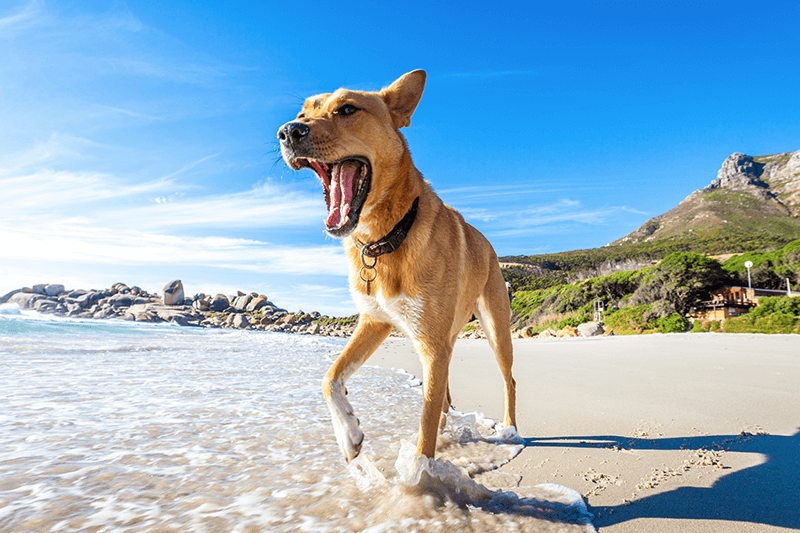
Selecting a pet-friendly destination is crucial. Consider the dog’s needs and preferences in addition to the family’s interests. Factors like the dog’s activity level, weather tolerance, and preferred terrain should be taken into account. Look for destinations offering ample opportunities for outdoor activities, dog parks, or areas with designated dog-walking trails. Research local regulations regarding pets in public spaces.
Selecting Accommodation Options
Finding pet-friendly accommodation is vital. Consider the size of the accommodation, its amenities, and the space available for both humans and their furry companions. Look for accommodations that offer fenced yards, designated dog-walking areas, or pet-sitting services. Evaluate the location’s proximity to parks, pet-friendly restaurants, and other dog-friendly attractions.
Preparing for the Holiday
Preparation is key to a smooth trip. Gather necessary pet supplies, including food, water bowls, leashes, collars, and any medications. Ensure the dog has a comfortable bed or blanket. Gather relevant veterinary records and any necessary vaccination or health certificates. Consult with your veterinarian about any travel-related health concerns and necessary medications for the dog. Check if your chosen destination has specific pet-related regulations.
Packing Checklist
A comprehensive packing checklist ensures nothing is forgotten.
- Dog food, water bowls, and any special pet food.
- Leashes, collars, harnesses, and any necessary identification tags.
- Medications, a first-aid kit, and any necessary veterinary records.
- Pet bed, blanket, toys, and any other comfort items.
- Waste bags and poop disposal tools.
- Dog-specific travel gear, like a carrier or pet travel cage.
- Copies of important documents like the pet’s identification and health records.
Types of Dog-Friendly Accommodations
Various accommodations cater to families with dogs.
- Campgrounds: Offer a natural setting, but require more self-sufficiency. Pros: affordable, allows for outdoor activities. Cons: less convenient, limited amenities.
- Cabins: Provide a secluded and comfortable environment. Pros: often offer private yards, potentially with more space. Cons: may be further from amenities.
- Hotels: Provide convenient amenities, but pet fees and restrictions may apply. Pros: convenient access to amenities. Cons: often limited space, may charge pet fees.
Travel Arrangements with Dogs
Transportation options should consider the dog’s comfort and safety.
- Driving: Ideal for longer distances, allowing for more space and control. Consider pet travel crates or harnesses.
- Flying: More restrictive, requiring booking and adhering to airline guidelines. Research pet travel policies and carrier requirements.
- Train travel: May be an option for shorter distances, but regulations and restrictions vary. Ensure the chosen train service allows pets.
Questions for Accommodation Providers
Pre-booking inquiries are crucial.
- What are the specific pet policies?
- Are there any restrictions on the type or size of pets allowed?
- What are the fees, if any, for pet accommodations?
- What are the pet-friendly amenities offered?
- What are the rules and regulations for pet behavior within the accommodation?
Comparing Pet-Friendly Travel Options
A comparison table highlights the key differences.
| Travel Option | Pros | Cons |
|---|---|---|
| Driving | Flexibility, more space, control over the pet’s environment | Longer travel time, potential for fatigue |
| Flying | Speed, convenience for long distances | Stricter regulations, potential stress for a pet, and higher costs |
| Train Travel | Potential for comfortable travel, scenic routes | May be less flexible, potentially limited space, specific regulations |
Activities & Experiences

Source: americanhumane.org
Planning a family holiday with dogs involves careful consideration of their needs and preferences. Ensuring everyone, human and canine, has a fun and safe experience is paramount. This section Artikels various dog-friendly activities, destinations, and important considerations.
Dog-friendly holidays offer unique opportunities for bonding with your furry companions while creating cherished memories for the whole family. It’s crucial to select activities that cater to both the physical and mental well-being of your canine friends, and to prioritize their safety and comfort throughout the trip.
Dog-Friendly Activities for Families
Families can enjoy a wide range of activities tailored for their canine companions. These range from leisurely walks in scenic parks to interactive play sessions and more energetic pursuits. Choosing activities that match the dog’s energy levels and temperament is essential for a positive experience.
Dog-Friendly Parks, Beaches, and Trails
Selecting suitable locations is critical for a successful dog-friendly holiday. These locations should offer ample space for dogs to roam freely, while also providing opportunities for safe interactions with other dogs and people.
- Dog-Friendly Parks: Parks with designated dog runs, off-leash areas, and shaded spaces are ideal. Consider local parks that offer amenities like water fountains, waste stations, and seating areas for human enjoyment. For example, Central Park in New York City is known for its extensive dog-walking paths and dog-friendly areas.
- Dog-Friendly Beaches: Look for beaches that allow dogs, often with leash restrictions or designated areas. Beaches with gentle slopes and calm waters are preferred. Ensure the beach offers access to fresh water for both humans and dogs. For example, some beaches on the California coast provide specific designated dog areas.
- Dog-Friendly Trails: Explore hiking trails that allow dogs on leash, keeping in mind the dog’s fitness level and the trail’s difficulty. Trails with varying terrains and scenic viewpoints provide opportunities for enriching experiences. Research local trails with specific guidelines for dog access.
Popular Dog-Friendly Holiday Destinations
Certain destinations are renowned for their dog-friendly accommodations and activities. These destinations often have designated dog parks, beaches, and trails, catering to the needs of both humans and their canine companions.
- National Parks: Many national parks have designated areas where dogs are allowed, often with specific rules and regulations. Research the specific policies of each park beforehand.
- Coastal Regions: Coastal towns and cities frequently offer dog-friendly beaches and parks. The amenities and services available for dogs can vary greatly between locations.
- Rural Areas: Rural areas often provide ample opportunities for hiking, exploring, and outdoor activities with dogs. Access to open spaces and natural surroundings is a major advantage.
Interactive Activities for Families with Dogs
Engaging activities can create memorable experiences for both humans and dogs. These activities should be tailored to the interests and energy levels of both family members and the dog.
- Doggy Playdates: Organize playdates with other dogs, ensuring compatibility and safety. Dog parks are a great place to facilitate these social interactions. Supervise interactions carefully and ensure all dogs are well-behaved.
- Fetch Games: Engage in fetch games in open spaces, ensuring the dog’s comfort and safety. Tailor the fetch game to the dog’s energy level, adjusting the distance and duration of the activity. For example, fetch can be a great way to tire a dog out after a long day of sightseeing.
- Doggy Training Sessions: Incorporate training sessions into the holiday, reinforcing good behavior and strengthening the bond between humans and dogs. Short, frequent sessions are often more effective than lengthy ones. Using positive reinforcement techniques is crucial.
Comparing Different Types of Dog-Friendly Outdoor Activities, Family holidays with dogs
Different outdoor activities offer diverse experiences. The choice depends on the dog’s preferences and the family’s interests.
| Activity | Description | Considerations |
|---|---|---|
| Hiking | Exploring trails, enjoying nature. | The dog’s fitness level, leash requirements, and terrain difficulty. |
| Swimming | Cooling off in water bodies. | The dog’s swimming ability, water safety precautions. |
| Dog Parks | Socialization with other dogs. | The dog’s temperament, supervision during interactions. |
Dog Safety During Outdoor Activities
Prioritizing dog safety is essential. Understanding the risks and taking necessary precautions is crucial for a positive experience.
Ensuring your dog’s safety is paramount. Always supervise your dog closely and use appropriate safety equipment.
Dog Supervision and Training
Consistent supervision and training are key to a safe and enjoyable holiday. Addressing potential issues proactively ensures everyone has a pleasant experience.
Proper supervision and training can prevent many potential problems during a family holiday. Regular training sessions before and during the trip can significantly improve your dog’s behavior and safety.
Food & Nutrition
Family holidays with dogs necessitate careful planning to ensure both their comfort and well-being. Proper nutrition plays a crucial role in maintaining their health and happiness throughout the trip. This section provides recommendations for feeding dogs during family holidays, considering different breeds and dietary needs, while also addressing the importance of hydration and potential dietary restrictions.
Feeding Recommendations for Different Breeds and Dietary Needs
Different dog breeds have varying nutritional requirements. Large breeds, for instance, require more calories to support their growth and activity levels compared to smaller breeds. Senior dogs also have different metabolic needs. Always consult with a veterinarian or a certified veterinary nutritionist to determine the appropriate dietary plan for your dog’s breed, age, and activity level. Consider transitioning your dog to a new food gradually to avoid digestive upset.
Maintaining Dog Health and Wellness During Travel
Maintaining a dog’s health and wellness during travel is essential. Keep their regular feeding schedule as consistent as possible to minimize digestive issues. Ensure access to fresh water at all times, especially during car rides or outdoor activities. Introduce them to new environments gradually, providing familiar comforts such as their bed or favorite toys. Monitor your dog for any signs of discomfort or illness. Consult with your veterinarian about any potential health concerns or medications your dog may need during the trip.
Pet-Friendly Dining Options in Holiday Destinations
Many holiday destinations now offer pet-friendly dining options. Restaurants, cafes, and even some hotels are accommodating to canine companions. Research pet-friendly establishments in your destination to identify options that cater to your dog’s dietary needs. This could involve identifying restaurants that allow dogs in outdoor seating areas or provide bowls for water and food.
Importance of Hydration for Dogs During Travel
Hydration is crucial for dogs, especially during travel. Dehydration can lead to various health problems. Provide fresh water at regular intervals, especially during long car rides or outdoor activities. Consider a portable water bowl for easier access during travel.
Sample Meal Plan for Dogs During a Family Holiday
This sample meal plan is a suggestion and should be adapted to your dog’s specific needs. Always consult with a veterinarian or a certified veterinary nutritionist to create a personalized meal plan.
- Day 1: High-quality dry dog food (adjust portion sizes based on your dog’s size and activity level). Fresh water is readily available.
- Day 2: Combination of dry food and a small portion of cooked, lean meat (chicken or fish). Fresh water readily available.
- Day 3: High-quality wet dog food. Fresh water is readily available.
- Day 4: Repeat Day 1, adjusting portion sizes as needed.
- Day 5: High-quality dry dog food with a small amount of fruit or vegetables. Fresh water readily available.
Comparing Different Pet-Friendly Food Options
Choosing the right pet-friendly food option can be challenging. Consider factors such as ingredients, nutritional value, and your dog’s specific needs.
| Food Type | Pros | Cons |
|---|---|---|
| Dry Dog Food | Convenient, often cost-effective, good source of nutrients. | It can be less palatable for some dogs, and may need additional water. |
| Wet Dog Food | Higher moisture content, often more palatable, can be good for dogs with dental issues or dry mouths. | Often more expensive, shorter shelf life, potential for spoilage. |
| Homemade Dog Food | Control over ingredients, potential for better palatability for picky eaters. | Requires careful planning and knowledge of dog nutrition, potentially more time-consuming. |
Dietary Restrictions and Allergies
Certain dogs may have dietary restrictions or allergies. Common allergies include those to proteins like beef, chicken, or dairy. Always consult with your veterinarian to identify any allergies or restrictions and to discuss suitable alternatives. Be cautious when introducing new foods to your dog’s diet, observing for any signs of adverse reactions.
Safety & Wellbeing: Family Holidays With Dogs
Ensuring the safety and well-being of your furry companions during family holidays is crucial for a positive and stress-free experience for everyone. Proper planning and preparation can mitigate potential risks and allow you to fully enjoy your vacation time with your dogs. This section includes essential safety measures, emergency procedures, and pet first aid knowledge to maintain the comfort and health of your beloved canine companions.
Pet safety extends beyond the familiar home environment. Accidents can happen during travel, and exposure to unfamiliar surroundings or people can cause stress. By proactively addressing potential hazards and having contingency plans in place, you can help your dogs feel secure and safe throughout your holiday.
Emergency Procedures and Contact Information
A well-defined emergency plan for your pets is essential. This includes knowing the location of the nearest veterinary clinics, emergency animal hospitals, and contact information for your vet and emergency services. Compile a list of trusted contacts, including pet sitters, friends, or family members who can assist in case of an emergency. Keeping this information readily accessible and easily retrievable will be critical during the holiday.
Pet First Aid and Basic Care Knowledge
Familiarizing yourself with basic pet first aid is vital. This includes knowing how to recognize signs of distress, minor injuries, or illness in your dog. Understanding basic first aid procedures, such as wound care, controlling bleeding, and recognizing heatstroke or other common issues, will help you provide immediate care. Attend a pet first aid course, or at least familiarize yourself with resources online that provide basic knowledge and guidelines.
Safety of Dogs in Different Environments
The safety of your dog depends on the environment. Different locations necessitate different precautions. For example, in a car, ensure the dog is properly restrained using a seatbelt harness or a dog car seat. In parks, watch for potential hazards like poisonous plants, other dogs, or traffic. In unfamiliar homes, be cautious about potential dangers like medications, toxic plants, or sharp objects. Always supervise your dog, especially in new and potentially risky environments.
Emergency Contacts for Pets
Maintain a comprehensive list of emergency contacts for your pets. This includes veterinary hospitals, emergency animal clinics, and any emergency services personnel. It is recommended to have a separate contact list specifically for your pets, in addition to the usual contact information for your family. This helps ensure swift and effective response in case of an emergency.
Potential Risks and Safety Precautions
| Potential Risks | Safety Precautions |
|—|—|
| Car accidents | Secure your dog in a car carrier or harness; avoid distractions during driving; never leave a dog unattended in a parked car. |
Dog Identification Tags and Microchips
“Proper identification is crucial for the safe return of your pet if they get lost.”
Ensure your dog has a collar with tags displaying your contact information. Consider getting a microchip implanted for permanent identification. This will aid in swift identification if your dog is separated from you during travel. Update your microchip information and ensure your contact details are accurate on the microchip database.
Preventing Dog-Related Issues During Travel
Prevent potential issues by planning. Pack familiar items to help alleviate stress during travel. Plan regular breaks, exercise, and opportunities for rest. Keep your dog hydrated, and adjust feeding schedules to minimize upset stomachs. Practice car trips with your dog before your holiday, and familiarize your dog with the sights and sounds of the environment to reduce anxiety.
Budgeting & Cost
Planning a family holiday with dogs requires careful consideration of expenses. A well-defined budget ensures a smooth and enjoyable trip without financial strain. This section delves into various cost components, offering strategies for saving money and comparing different accommodation options.
Sample Budget for a Family Holiday with Dogs
A realistic budget for a week-long dog-friendly family holiday (4 adults, 2 children, 2 dogs) should account for a variety of costs. Accommodation, transportation, food, activities, and pet-related expenses all contribute to the overall expenditure.
- Accommodation: €1,000 (including pet fees)
- Flights/Travel: €500 (considering train/car travel, if applicable)
- Food (Family & Dogs): €300
- Activities & Entrance Fees: €200
- Pet Travel & Insurance: €150 (including travel documents and insurance)
- Miscellaneous: €150 (souvenirs, incidentals)
Tips for Saving Money on a Dog-Friendly Family Holiday
Careful planning and proactive measures can significantly reduce the cost of a dog-friendly family holiday. Choosing accommodation with in-house pet facilities, for example, might result in a lower price.
- Travel during the off-season: Off-peak travel dates often yield lower prices for accommodation and flights.
- Cook some meals: Preparing some meals, especially breakfasts and lunches, can save money compared to eating out every day.
- Look for discounts and deals: Utilize websites and platforms that offer discounts on accommodation, flights, and activities.
- Pack your snacks and water for the dogs: This will prevent the need to purchase these items regularly.
- Choose dog-friendly camping or caravanning: This option often offers cost-effective solutions.
Comparison of Dog-Friendly Accommodation Options
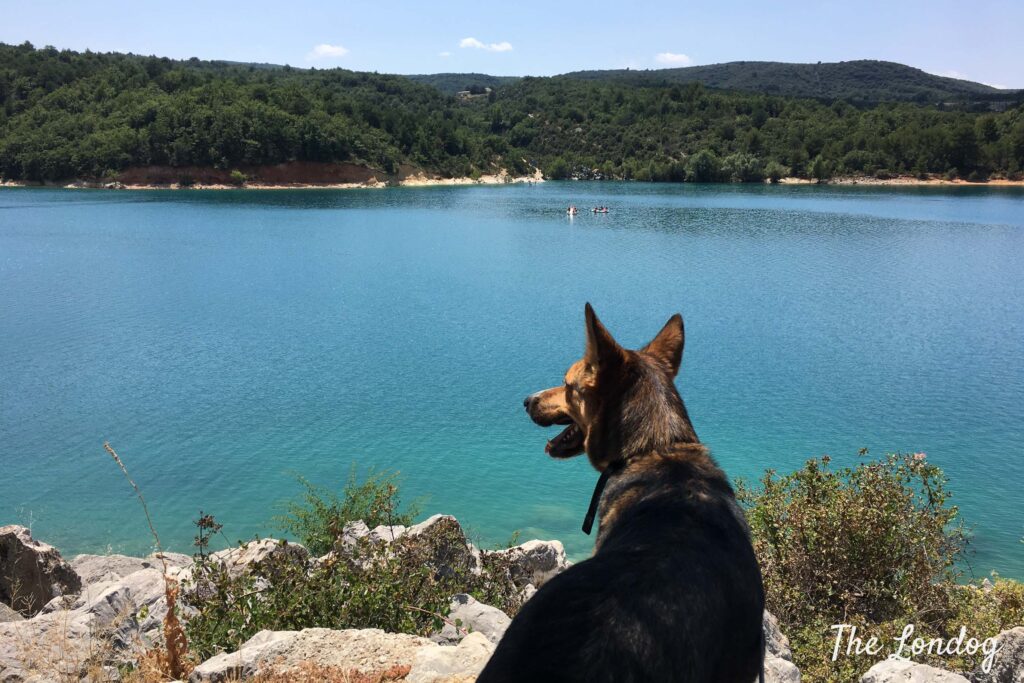
Various dog-friendly accommodation options cater to diverse needs and budgets. The cost of these options varies significantly.
| Accommodation Type | Estimated Cost (per night) | Pet Fee | Description |
|---|---|---|---|
| Dog-friendly Hotel | €100-€250 | €10-€30 per dog | Offers amenities for both families and pets, but might be more expensive than other options. |
| Holiday Cottages | €80-€200 | €10-€25 per dog | Often provide more space and privacy, but may not have all the amenities of a hotel. |
| Dog-friendly Camping Sites | €30-€70 | €5-€15 per dog | A budget-friendly option that allows for outdoor adventures. |
Costs Associated with Pet Travel and Insurance
Pet travel requires careful planning to ensure a safe and comfortable journey for your canine companions. Pet travel costs vary depending on the distance, mode of transport, and services required.
- Travel documents: Ensure all necessary documentation (vaccinations, microchips) is in order.
- Pet travel insurance: This coverage can protect against unexpected expenses during travel.
- Transportation costs: Transportation costs for pets can vary depending on the mode of transport (e.g., plane, train, car).
Ways to Make a Family Holiday with Dogs More Affordable
A family holiday with dogs can be made more affordable through careful planning and strategic decision-making. Finding dog-friendly destinations with lower costs is one approach.
- Consider travelling during the off-season: Off-peak periods usually result in lower prices for accommodation and flights.
- Prepare meals at home: Packing snacks and preparing some meals yourself will save money compared to eating out regularly.
- Look for free or low-cost activities: Explore parks, beaches, or nature trails for enjoyable activities that won’t cost much.
Visual Representation
Planning a family holiday with dogs requires a clear visualization of the entire experience. Visual aids help families understand the practicalities, ensuring a smooth and enjoyable trip for everyone. Visual representations allow families to anticipate potential challenges and tailor their plans accordingly, creating a memorable and comfortable experience for both humans and furry companions.
Dog-Friendly Activities by Age Group
Visualizing activities suitable for different age groups allows families to plan experiences tailored to each member’s interests. This table articulates a range of dog-friendly activities, categorized by age group, with considerations for dog comfort and safety.
| Age Group | Activity Suggestions | Considerations |
|---|---|---|
| Toddlers & Preschoolers | Dog-friendly parks with designated play areas, gentle walks, and short visits to pet-friendly cafes | Supervision is crucial; shorter durations, activities must be low-impact and engaging for all. |
| School-Aged Children | Dog parks, hiking trails, fetch games, visits to pet-friendly farms or zoos | Activities should be stimulating and engaging for children and dogs. Supervision needed. |
| Teenagers | Doggy daycares, dog training classes, visits to dog-friendly beaches, longer walks, and hikes. | Activities must be engaging and potentially incorporate some form of interaction with other dogs. |
| Adults | Dog-friendly campsites, hiking, long walks, visiting dog-friendly restaurants, and dog-themed activities. | Activities should allow for individual interests and relaxation while ensuring the dog’s comfort. |
Dog-Friendly Destinations
Evaluating various dog-friendly destinations requires a comprehensive understanding of their strengths and weaknesses. This table highlights the pros and cons of different destinations, providing a visual representation of the potential experience.
| Destination Type | Pros | Cons |
|---|---|---|
| National Parks | Vast outdoor spaces, scenic views, opportunities for hiking and camping | Potential for crowds, varied terrain might not suit all dogs, varying regulations |
| Beaches | Cool ocean air, relaxing environment, and swimming opportunities | Potential for sand and water hazards, strict leash laws at certain locations, potential for dogs’ overheating |
| Dog Parks | Designated space for dogs to socialize, exercise, and play | Crowded during peak hours, may not offer a variety of activities |
| Pet-Friendly Hotels/Resorts | Convenience, amenities, and comfort for both humans and dogs | Potentially higher cost, limited space for larger dogs, or multiple dogs |
Packed Dog-Friendly Travel Bag
A well-organized travel bag ensures a smooth trip. This visual representation depicts a packed dog-friendly travel bag, clearly showing the essential items. Imagine a sturdy, waterproof backpack or carrier, organized by compartments for easy access to each item.
Essential Pet Travel Documents
A visual representation of essential pet travel documents helps ensure a smooth and legal trip. The infographic will visually depict necessary documents like vaccination records, health certificates, and any relevant permits. Each document should be clearly labeled, with its purpose explained concisely.
Choosing Dog-Friendly Accommodations
Visual representation of dog-friendly accommodations highlights key factors for consideration. A visual guide, potentially an infographic, would categorize accommodations based on features like size of the space, proximity to parks, pet policies, and amenities.
Dog-Friendly Campsite Layout
A visual representation of a dog-friendly campsite layout would indicate the placement of the campsite, dog-walking areas, and any designated pet-related facilities. A diagram showcasing the campsite’s layout, along with shaded areas and designated zones, will help families visualize the space and plan their activities accordingly.
Dog Enjoying a Family Holiday Activity
Imagine a photo of a dog happily engaged in a family holiday activity, such as hiking, playing fetch, or simply relaxing by the campfire. The image should convey a sense of joy and harmony between humans and their canine companions. The image should be a clear representation of a positive and enjoyable experience.
Last Recap
In conclusion, planning a family holiday with dogs can be a rewarding experience. By carefully considering factors like destination selection, accommodation options, and activity planning, you can ensure a fun trip for everyone. Remember to prioritize your dog’s safety and well-being throughout the journey. This guide offers a comprehensive approach to planning, from initial preparation to ensuring a smooth and safe trip for your entire family. Enjoy your vacation!