Dog-Friendly Hotel Search Your Guide
Dog friendly hotel search – Dog-friendly hotel search is crucial for pet owners planning trips. Finding the perfect accommodation that caters to both human and canine needs can be challenging. This guide dives deep into the intricacies of the search process, from understanding user expectations to optimizing the search experience on various devices.
We’ll explore the key factors influencing the search, including budget, location, dog amenities, and travel dates. We’ll also examine the features of dog-friendly hotels, from pet policies to specific accommodations, and how to present search results effectively.
Defining the Search Experience
Dog owners searching for dog-friendly hotels often prioritize accommodations that cater to their furry companions’ needs alongside their own. A seamless search experience is paramount, allowing users to quickly and efficiently find suitable options. This involves understanding the diverse factors influencing their choices, from budget constraints to location preferences and the specifics of dog-friendly amenities. Recognizing common pain points will help create a user-centered platform that meets the needs of both pet parents and their four-legged friends.
Typical User Needs and Expectations
Dog owners searching for dog-friendly hotels typically expect detailed information about pet policies, including breed restrictions, weight limits, and any additional fees. They also look for clear communication about available amenities for their dogs, such as designated dog walking areas, dog parks, or pet-sitting services. A user’s ideal experience often involves finding hotels that offer a blend of comfort for both humans and canines. A key expectation is a user-friendly interface that allows easy comparison of different hotels based on these crucial criteria.
Factors Influencing the Search
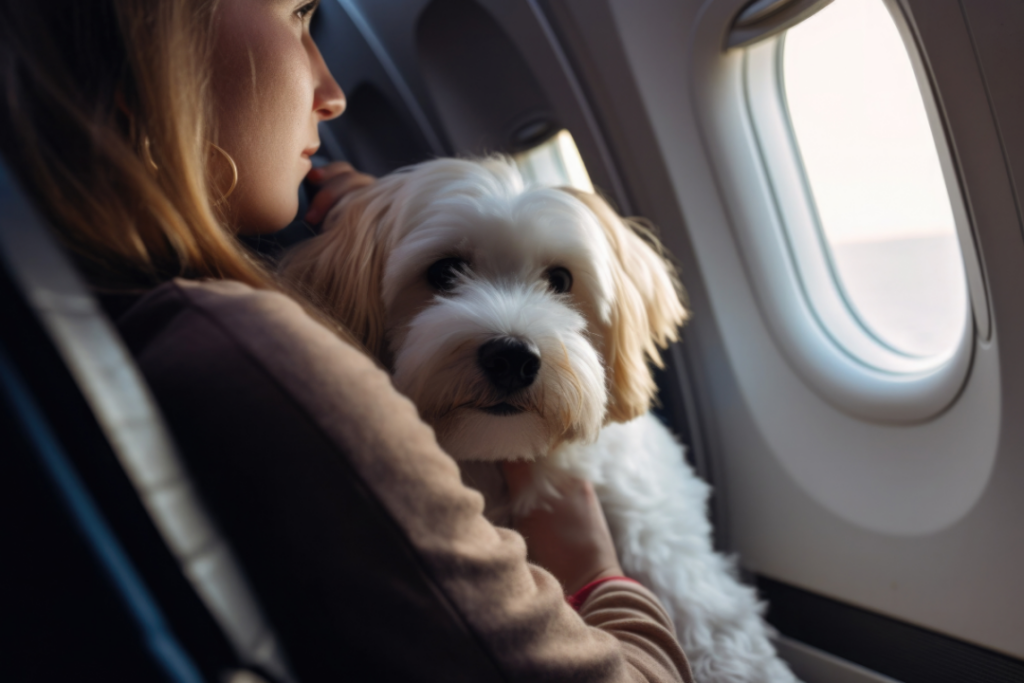
Several factors influence a dog owner’s hotel search. Budget plays a significant role, as does the desired location. Travel dates are crucial, as availability and pricing fluctuate. Amenities for dogs are a primary consideration. For example, a family with a large dog might prioritize hotels with spacious dog runs or designated outdoor areas, while a dog owner traveling alone might seek a hotel with dog-walking services. Hotels near parks or walking trails are highly desirable.
Common Pain Points
A common frustration during the search process is the lack of comprehensive information about pet policies. Users often struggle to find hotels that precisely match their needs regarding budget, location, and dog-friendly amenities. Inconsistent or unclear communication about pet fees, size restrictions, or acceptable breeds can be extremely problematic. Another recurring pain point is the difficulty of comparing different hotels side-by-side based on their dog-friendly attributes.
User Persona: Amelia
Amelia is a 35-year-old professional with a golden retriever named Max. She values comfort and convenience for both herself and Max. She’s looking for a dog-friendly hotel in a central location for a weekend getaway. Amelia needs a hotel with a dog run and reliable pet-sitting services if she needs to attend a business meeting during her stay. She’s willing to pay a reasonable premium for a hotel that accommodates her and Max’s needs. Amelia wants a seamless search process that displays dog-friendly amenities and pricing.
Potential Filters and Sorting Options
To enhance the search experience, a dog-friendly hotel search engine should offer comprehensive filters and sorting options. These filters should allow users to easily refine their search based on their specific requirements.
- Pet Policies: This filter should allow users to specify breed restrictions, weight limits, and any additional pet fees.
- Amenities for Dogs: Options include dog runs, dog parks, pet-sitting services, and designated walking areas.
- Location: This filter should allow users to specify a radius around a desired location.
- Budget: This filter should allow users to set a price range.
- Travel Dates: This filter should allow users to select specific dates.
- Sorting Options: Options include price (low to high, high to low), distance from location, star rating, and dog-friendly amenities score.
Features of Dog-Friendly Hotels: Dog-Friendly Hotel Search

Source: dogtricksworld.com
Dog-friendly hotels are becoming increasingly popular, catering to the needs of pet owners and their furry companions. These establishments recognize the importance of providing comfortable and safe accommodations for both humans and their canine friends. Understanding the amenities and policies of these hotels is crucial for planning a memorable trip with your beloved pet.
Dog-friendly hotels offer a wide array of amenities designed to enhance the experience for both guests and their pets. These features go beyond simply allowing pets; they actively strive to create a welcoming environment.
Key Amenities Offered
Dog-friendly hotels commonly offer a variety of amenities to cater to the needs of pets. These amenities aim to ensure the comfort and well-being of both the pet and its owner. Examples include pet beds, bowls, and waste disposal stations. Some hotels even offer dog walking services, potentially reducing stress on owners while ensuring the dogs get adequate exercise.
Types of Accommodations
Dog-friendly hotels provide various types of accommodations to accommodate the needs of both guests and their pets. Pet-friendly rooms are standard, often offering basic amenities for dogs. Some hotels extend their offerings to include dog suites, providing more space and luxurious accommodations for pets and their owners. Dog parks, if available, offer a safe and designated space for dogs to socialize and play. This feature can greatly enhance the experience for owners, providing a place for their dogs to enjoy outdoor activities.
Pet Policies and Restrictions
Pet policies and restrictions vary significantly between dog-friendly hotels. These policies are often clearly articulated in the hotel’s listings and are essential for guests to understand before booking. Common restrictions include weight limits, breed restrictions, and limitations on the number of pets allowed per room. Some hotels might impose additional fees for accommodating pets.
Comparison of Policies Across Regions
Dog-friendly hotel policies vary across different regions and countries. For instance, pet fees and size restrictions may differ between the United States and Europe. Regulations concerning pet breeds may vary even within a single country, based on local laws and the hotel’s guidelines. This variance necessitates careful research and comparison before booking a stay.
Dog-Friendly Amenities Table
| Amenity | Frequency (Estimated) |
|---|---|
| Dog beds | High |
| Dog bowls | High |
| Waste disposal stations | High |
| Dog walking services | Medium |
| Dog parks | Low to Medium |
| Pet-friendly suites | Medium to High |
Note: Frequency estimates are based on general observation and may vary depending on the specific hotel.
Presenting Search Results
Presenting search results for dog-friendly hotels requires a user-centric approach, prioritizing clarity, efficiency, and ease of navigation. The goal is to quickly and effectively showcase relevant hotels, allowing users to easily identify and select the perfect accommodation for their canine companion.
A well-structured presentation of search results is crucial for a positive user experience. This includes a clear display of key information, enabling users to make informed decisions based on readily available details. A visually appealing presentation of the hotels is also critical.
Table Format for Results
A table format is ideal for presenting dog-friendly hotel results, as it allows for an organized display of essential details. This structured format facilitates easy comparison between different hotels, showcasing relevant information concisely.
| Hotel Name | Location | Dog Policy | Rating | Distance | Photos |
|---|---|---|---|---|---|
| The Barking Hound Inn | Coastal Town, USA | Dogs Allowed (size restrictions apply) | 4.5 stars | 1.2 miles | [Image of hotel exterior] |
| Pawsitive Stays | Mountain Resort, USA | Dogs Allowed (no weight restrictions) | 4.7 stars | 0.8 miles | [Image of hotel exterior] |
| Wagging Tails Lodge | City Center, USA | Dogs Allowed (pet fee applies) | 4.2 stars | 2.5 miles | [Image of hotel exterior] |
Optimal Layout and Organization
The layout should prioritize clear presentation of essential details, such as hotel name, location, distance from the user’s desired location, and amenities. An organized structure ensures that the information is easy to understand and process. The table above is an example of such an organized structure.
Visual Elements
Visual elements enhance the user experience by providing a more engaging and informative presentation of the dog-friendly features of each hotel. Images of the hotel’s exterior, dog-friendly areas, or dog-specific amenities (e.g., dog bowls, waste bags) help potential customers visualize their stay. Icons representing key amenities (e.g., dog park, pet-sitting services, outdoor seating area) should be readily visible. The visual elements should be integrated seamlessly within the layout.
Dynamic Filtering System
A dynamic filtering system allows users to refine their search results based on specific criteria. Users can filter by dog-friendly amenities, price range, star rating, proximity to attractions, and more.
- Proximity: Users can filter by radius (e.g., 5 miles, 10 miles). This feature enables users to narrow down the search based on the distance from their desired location.
- Amenities: Users can select specific amenities they desire, such as dog parks, pet-sitting services, or outdoor seating areas. This filters the results to display only hotels with the specified amenities.
- Price: Users can specify a price range to narrow down the results to match their budget.
- Rating: Users can filter by star ratings, allowing them to target hotels with a certain level of quality and service.
Prioritizing Hotels Based on Preferences
Users’ preferences are prioritized by allowing them to set search criteria, enabling them to narrow down their search results. This is crucial for delivering a personalized experience. Proximity, rating, and specific amenities are prioritized based on the order of their selection, giving the user a level of control.
User Interaction and Feedback
A robust user experience hinges on effective interaction with search results and a clear channel for feedback. This allows users to refine their choices, share their experiences, and ultimately, contribute to a more valuable search platform.
Providing intuitive ways for users to interact with search results, along with gathering actionable feedback, are crucial to optimizing the dog-friendly hotel search process. These features encourage user engagement and empower them to shape the platform.
Saving Favorites
Users should be able to easily save hotels they like for later consideration. This feature is essential for users who are researching options over time or who want to revisit a favorite hotel for future trips. The system should indicate which hotels are saved and allow for quick access to that list.
Comparing Hotels
Enabling users to compare hotels side-by-side is a key feature for informed decision-making. This functionality should allow users to quickly view and compare key attributes like price, amenities, location, and reviews, enabling a clear comparison. A user-friendly interface for comparison is crucial for ease of use.
Reviewing Properties
The ability to review dog-friendly hotels is critical. It offers a transparent platform for users to share their experiences and provide valuable insights to others. This feature allows prospective users to gain an understanding of a property’s suitability for pets and their owners. A dedicated review section within the search results page will be helpful.
Rating Systems
Implementing a robust rating system is essential for conveying user experiences. A star-rating system, coupled with written reviews, provides a comprehensive view of a hotel’s dog-friendliness. The rating system should be easily understood and should be integrated with user reviews for comprehensive insight.
Reviews from Other Dog Owners
Including reviews specifically from dog owners is vital. This targeted feedback offers genuine insights into a hotel’s pet-friendly policies, the comfort level for dogs, and the overall experience. These reviews, written by those with direct experience, are particularly helpful.
User Feedback Form
A dedicated form for user feedback is essential for improving the search platform. This form should gather information about the user’s experience, any suggestions for improvements, and any issues encountered during the search. It should allow users to provide feedback on specific aspects of the search process, and the feedback mechanism should be readily available.
| Feedback Category | Specific Question |
|---|---|
| Ease of Navigation | Was the search process intuitive and easy to understand? |
| Accuracy of Results | Did the search results accurately reflect the dog-friendly features of the hotels? |
| Information Clarity | Was the information about pet policies, amenities, and other relevant details clear and concise? |
| Overall Experience | Would you recommend this search platform to others? |
Sample User-Generated Review
“Our Golden Retriever had a fantastic time at the Sunnyside Inn. The staff was incredibly welcoming and the grounds were well-maintained. The hotel had designated dog-walking areas and plenty of water bowls available, making it a perfect stay for us and our furry friend.” – HappyDogTraveler
Feedback Mechanism for Improvement
A robust feedback mechanism should aggregate user input to identify areas needing improvement. The platform should actively monitor feedback and implement changes based on user suggestions. The collected data can be analyzed to identify trends and prioritize areas for improvement. This allows the platform to evolve in response to user needs.
Visual Presentation
Visuals play a crucial role in showcasing dog-friendly hotel amenities and fostering a positive user experience. High-quality images and effective use of visual cues can significantly impact the perception of a hotel’s dog-friendliness, ultimately driving bookings. By incorporating compelling visuals, the search experience becomes more engaging and informative.
Clear and accurate representations of dog-friendly aspects are paramount. Users should instantly recognize and understand the features available for dogs at each hotel.
Visual Representation of Dog-Friendly Amenities
Visuals are essential for conveying dog-friendly amenities effectively. A clear, consistent visual language helps users quickly identify hotels that align with their needs. This involves using a standardized set of symbols, icons, and imagery.
- Using Icons and Symbols: Consistent use of icons and symbols for dog-friendly amenities (e.g., a dog-bone icon for dog walking areas, a paw print for dog-friendly rooms, a leash for dog parks) greatly enhances the user experience. These icons should be readily recognizable and should not be overly complex, allowing for quick understanding of the features available at each hotel. This is crucial for quick information retrieval.
- Images of Dogs in Hotel Environments: Images of dogs happily interacting with hotel amenities, like lounging in a designated dog area or enjoying a walk in a scenic area near the hotel, can significantly improve user engagement. The images should portray a positive and welcoming environment. Examples could include a dog playing fetch in a grassy area or a dog relaxing on a hotel patio.
- Photographs of Dog-Friendly Spaces: High-quality photographs of dog-friendly areas, such as designated dog runs, walking paths, or dog-friendly patios, should be used. These images should highlight the space and its amenities, allowing potential guests to visualize their pet’s experience. Photographs should showcase the features of the area and the environment.
Color Schemes and Typography
Strategic use of color and typography can draw attention to dog-friendly features. Using a specific color palette or font style to represent dog-friendly amenities helps users quickly distinguish these aspects.
- Color Palette: A dedicated color, like a vibrant green or a warm orange, can be used consistently to highlight dog-friendly features in the search results. This color scheme should be employed across the platform to create a cohesive visual identity and improve user experience.
- Typography: A bold, slightly larger font size or a distinctive typeface can be used for highlighting dog-friendly amenities within the hotel descriptions. This approach can emphasize these features and make them stand out, improving user readability and visual appeal.
Example of a High-Quality Image
Imagine a vibrant photograph showcasing a golden retriever happily lounging on a soft, cushioned dog bed on a patio. The patio is furnished with comfortable outdoor furniture, and lush greenery is visible in the background. The dog is relaxed and appears content, with its tail wagging slightly. Sunlight is gently illuminating the scene, casting a warm glow on the dog and the surrounding area. The image background is softly blurred, focusing the viewer’s attention on the dog and its surroundings. The overall impression is one of tranquility and comfort, effectively showcasing a welcoming dog-friendly hotel environment.
Mobile Optimization
Mobile optimization is crucial for a dog-friendly hotel search platform. A significant portion of users access the platform through mobile devices, and a poor mobile experience can lead to lost bookings and negative reviews. A well-optimized mobile site ensures a seamless and enjoyable experience for these users, regardless of the screen size or device type.
Responsive design is key to accommodating various screen sizes. This approach dynamically adjusts the layout and content to fit the specific dimensions of the user’s device, providing a consistent user interface across all platforms.
Responsive Layout Design
A responsive layout adapts seamlessly to different screen sizes. This involves using flexible grid systems, fluid images, and media queries to adjust the display based on the device’s resolution. For example, on a smaller mobile screen, a wider search bar might be compressed to fit the screen’s width. Image sizes can be reduced to avoid slow loading times, and potentially, some information might be hidden until the user expands a section. This dynamic adjustment ensures a visually appealing and user-friendly experience on any device.
Touch-Friendly Interfaces
Touch-friendly interfaces are essential for mobile optimization. Buttons and interactive elements should be large enough for easy tapping, and clear visual cues should indicate when an element is clickable. Avoiding complex gestures and providing intuitive navigation are vital to prevent user frustration. For instance, instead of a complex multi-tap action, a single tap on a filter button might expand a list of options. Large clickable areas with clear visual indicators (e.g., highlighted colors, subtle animations) make the interaction effortless.
Interactive Elements
Interactive elements enhance the mobile user experience. These include map integration for showing hotel locations, and interactive filters for refining search results. These elements enable users to explore options actively, leading to more informed decisions. For example, an interactive map allows users to zoom in on specific areas and identify nearby dog-friendly hotels. This interactivity is key to a positive mobile experience.
Mobile-Optimized Table Layout
Tables are often used to present data. A responsive table layout ensures the data remains visible and easily navigable on mobile devices. This requires adapting column widths and row heights to the screen size, using CSS media queries to dynamically adjust the table display.
| Hotel Name | Location | Dog Policy | Price |
|---|---|---|---|
| The Barking Beagle Inn | Downtown | Small dogs welcome | $150 |
| Pawsitive Vibes Resort | Suburbs | All breeds welcome | $200 |
This table example demonstrates how columns can adjust dynamically. On a smaller screen, columns might stack vertically, and the user might need to scroll to view all data. This adaptability ensures usability across different mobile devices.
Mobile-Optimized Search Page Visual Representation, Dog-Friendly Hotel Search
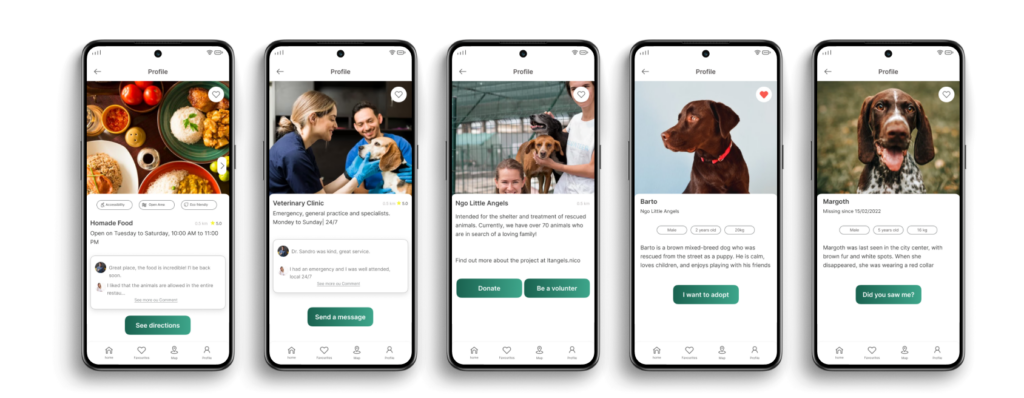
Imagine a dog-friendly hotel search page optimized for mobile. The page would feature a clean, uncluttered layout, with large, easy-to-tap buttons for searching and filtering. Images of dog-friendly amenities, like dog parks and pet-friendly rooms, would be displayed prominently and in reduced sizes to ensure quick loading times. Interactive maps would allow users to pinpoint locations and zoom in to see details. A simple, easy-to-navigate menu would guide users through the different sections of the page. A search bar with auto-completion for location and other search terms would be prominently displayed. The use of clear, concise text and visually appealing imagery would contribute to a smooth and engaging user experience.
Concluding Remarks
In conclusion, a comprehensive dog-friendly hotel search engine must address user needs, present relevant information clearly, and offer a seamless experience across different platforms. By understanding the intricacies of the search process and incorporating user feedback, we can create a valuable resource for pet owners, ensuring their travels are both enjoyable and stress-free.