Cheap RV Trailers Near Me Your Guide
Cheap RV trailers near me are a fantastic option for those seeking an affordable way to explore the great outdoors. This guide provides a comprehensive overview of finding the perfect trailer within your budget, from understanding the various types and their features to navigating the local market and evaluating potential purchases.
We’ll explore the different types of RV trailers available, highlighting their strengths and weaknesses. Factors influencing price, such as size, features, and brand, will be examined. This information is crucial for narrowing your search and ensuring you find a trailer that aligns with your needs and budget. We’ll also discuss vital considerations like the right size and type for your camping style and the towing capacity required. Finding the perfect fit involves asking yourself the right questions. We’ll present a step-by-step approach to inspecting potential trailers, ensuring you’re making a sound investment.
Introduction to RV Trailers
Recreational vehicles (RVs) offer a fantastic way to explore the world on wheels, and RV trailers are a popular choice for those seeking adventure and flexibility. They provide a self-contained living space, perfect for short trips or extended vacations. This overview will cover the various types of RV trailers, the factors that affect their cost, and common features found across different models.
RV trailers come in various designs, each with unique characteristics and intended uses. Understanding the different types will help you choose the right one for your needs and budget.
Types of RV Trailers
RV trailers are broadly categorized based on their design and construction. Some popular types include pop-up trailers, travel trailers, and fifth-wheel trailers. Each type offers distinct advantages, and the choice depends on factors like space requirements, budget, and desired level of comfort.
- Pop-up Trailers: These lightweight trailers are known for their compact design, often featuring a pop-up roof that increases interior space when in use. They are ideal for smaller groups and budget-conscious travelers seeking a simple setup.
- Travel Trailers: These trailers offer more space and amenities compared to pop-up trailers, with permanent living areas. They provide greater comfort and storage capacity for longer trips.
- Fifth-Wheel Trailers: These larger trailers are designed to be towed by a specialized truck with a fifth-wheel hitch. They provide the most extensive living space and often include premium features, making them suitable for extended stays and large groups.
Factors Influencing RV Trailer Prices
Several key factors contribute to the price variation among RV trailers. These include size, features, brand reputation, and the level of included amenities.
- Size and Dimensions: Larger trailers generally come with a higher price tag due to increased material costs and manufacturing complexity. More interior space and storage capacity are often associated with a higher price.
- Features and Amenities: Features like kitchen appliances, bathrooms, and entertainment systems add to the cost. The quality and sophistication of these features directly impact the price.
- Brand and Quality: Established brands with a reputation for quality often command higher prices. This is often due to factors like rigorous testing, advanced materials, and superior craftsmanship.
Common Features and Amenities
Many RV trailers share common features, regardless of the specific type. These features enhance the living experience during travel.
- Sleeping Arrangements: Most RV trailers include sleeping arrangements for varying numbers of people, ranging from basic bunks to more luxurious beds and sleeping lofts.
- Cooking and Food Preparation: Trailers often come equipped with kitchens featuring ovens, stoves, refrigerators, and other necessary appliances for preparing meals.
- Bathroom Facilities: A common amenity is the inclusion of a bathroom with a toilet and sink, providing basic hygiene and comfort.
RV Trailer Types, Prices, and Features
The following table provides a general overview of different RV trailer types, their typical price ranges, and common features. Note that these are averages, and actual prices may vary based on specific models and options.
| RV Trailer Type | Average Price Range | Typical Features | Notes |
|---|---|---|---|
| Pop-up Trailer | $10,000 – $25,000 | Basic kitchen, sleeping area, small storage | Compact, lightweight, easy setup |
| Travel Trailer | $25,000 – $75,000 | Kitchen, bathroom, more storage, larger sleeping area | More spacious than pop-ups, good for longer trips |
| Fifth-Wheel Trailer | $50,000 – $150,000+ | Full kitchen, bathroom, multiple sleeping areas, extensive storage | Large, luxurious, towed by a truck |
Identifying Needs and Preferences: Cheap Rv Trailers Near Me
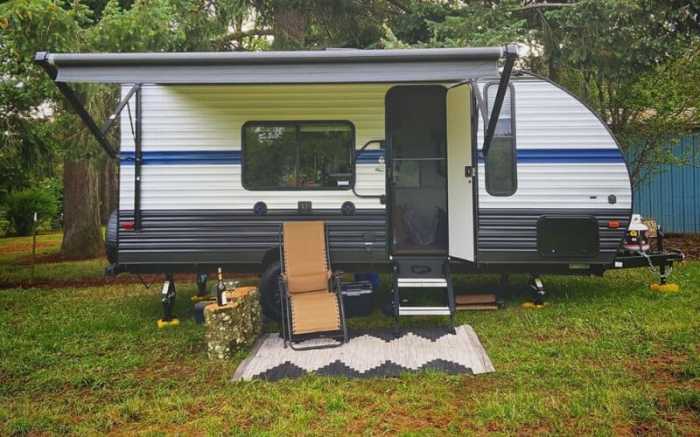
Source: rvingknowhow.com
Choosing the right RV trailer involves careful consideration of your needs and preferences. Understanding your desired camping style, the number of people you’ll be accommodating, and your budget is crucial to making an informed decision. A poorly matched RV can lead to an unpleasant camping experience, while a well-suited one can create unforgettable memories.
Careful planning is key to a successful RV purchase. Consider factors like the intended usage (e.g., weekend getaways, extended trips), the topography of your preferred campsites, and your towing vehicle’s capabilities. This proactive approach ensures a smooth transition from planning to enjoying your new RV.
Determining the Right Size and Type
The size and type of RV trailer depend on the number of occupants and the desired camping style. A small pop-up trailer might be ideal for solo adventurers or couples, while a larger fifth wheel or motorhome is better suited for families or groups. Consider the activities planned during the trip, such as hiking, fishing, or simply relaxing. A smaller trailer may offer more maneuverability in tight spaces, while a larger one might provide more comfort and storage.
Factors to Consider When Choosing
Budget is a primary concern. RV trailers vary significantly in price, depending on size, features, and brand. Determine your budget before exploring models to avoid unnecessary financial strain. Desired amenities, such as a kitchen, bathroom, or entertainment systems, also influence the choice. Consider the impact of amenities on the overall cost. Towing capacity is crucial. The towing vehicle must be capable of handling the trailer’s weight and dimensions. Always consult your vehicle’s owner’s manual for towing capacity limits.
Questions to Ask Yourself
Before purchasing an RV trailer, ask yourself these crucial questions:
- What is my budget, and how much am I willing to spend on an RV?
- How many people will be using the RV, and what kind of camping experience are we seeking?
- What features are essential for a comfortable and enjoyable camping trip?
- What is the towing capacity of my vehicle, and does it match the weight of the trailer I am considering?
- How important is the level of luxury and convenience?
Comparing RV Trailer Types
Different RV trailer types cater to diverse needs and preferences. This table provides a comparison of the pros and cons of various options:
| RV Type | Pros | Cons | Suitable for |
|---|---|---|---|
| Pop-up | Affordable, maneuverable, lightweight | Limited space, less luxurious | Solo travelers, couples, and smaller families |
| Travel Trailer | Good balance of space and affordability, wide variety of models | Can be heavier to tow than pop-ups | Families, groups, and those seeking more space than pop-ups |
| Fifth Wheel | Spacious, luxurious, often well-equipped | Requires a specific truck and towing setup, less maneuverable | Large families, those seeking maximum comfort and features |
| Motorhome | Self-contained, no towing required | More expensive, less maneuverable than other types | Families, individuals seeking a complete mobile home experience |
Finding RV Trailers Near Me
Locating the perfect RV trailer requires a strategic approach, especially when considering your budget and desired features. Knowing where to look is crucial for a smooth and efficient search process. This section details various methods for finding suitable trailers in your area.
Finding the right RV trailer involves careful consideration of numerous factors. Factors like your preferred features, budget, and desired travel style should be prioritized when researching. This will significantly improve the efficiency of your search.
Methods for Finding RV Trailers
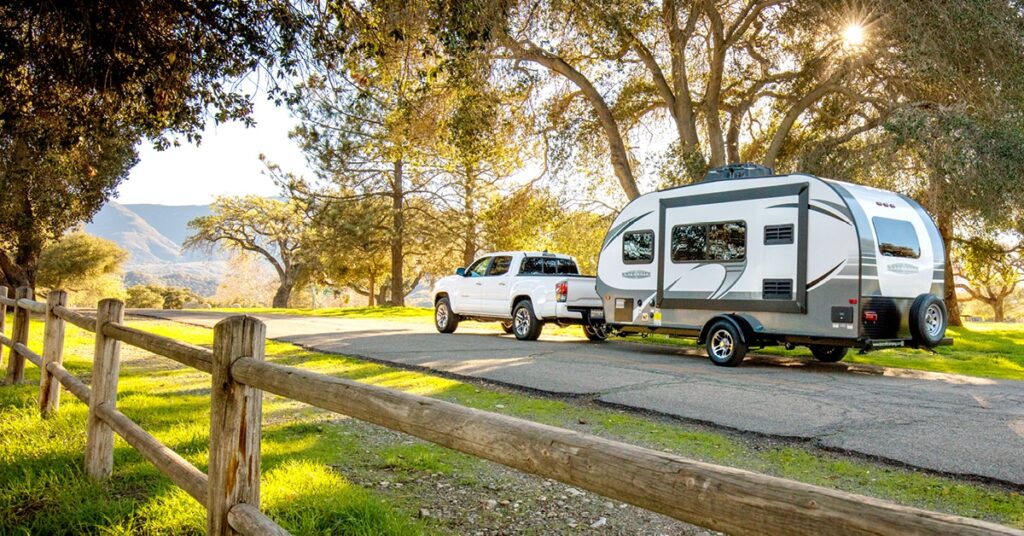
A variety of avenues can help you locate RV trailers in your geographic area. A combination of online and offline resources often yields the best results.
- Online Marketplaces: Numerous online platforms specialize in buying and selling RV trailers. These platforms often provide detailed listings with photos, descriptions, and pricing, making them a convenient starting point for your search.
- Local Dealerships: Local RV dealerships are a valuable resource for finding trailers in your area. Dealerships often have a wide selection of trailers on display, allowing you to physically inspect them and discuss options with a sales representative.
- Social Media Groups: Online social media groups dedicated to RVs or camping often feature listings for trailers from private sellers. These groups can be an excellent resource for discovering less-advertised options.
Reputable Online Platforms
Several reputable online platforms are well-known for their extensive RV trailer listings. Choosing platforms with robust verification processes can increase your confidence in the transaction.
- Facebook Marketplace: A popular social media platform that often includes listings for RV trailers from private sellers. Be mindful of potential scams and thoroughly research sellers before making a deal.
- Craigslist: Another widely used online platform with a large number of listings, including RV trailers. Similar to Facebook Marketplace, exercising caution is essential.
- RV Trader: A dedicated platform focused on RV sales, providing a comprehensive selection of trailers for sale. It typically offers a structured and vetted approach.
- RVUSA: A dedicated website offering a significant number of RV trailers, with options catering to various needs and budgets. It provides a structured and reliable platform.
- RV.com: Another well-regarded website offering a diverse selection of RV trailers. This platform often includes listings for both new and used trailers.
Importance of Reviews and Ratings
Thoroughly checking reviews and ratings of both RV trailers and sellers is critical. This provides valuable insights into the quality and reliability of the trailers and the trustworthiness of the sellers.
- Checking Seller Reputation: Before committing to a purchase, investigate the seller’s history on the platform. Look for feedback from previous buyers to gauge the seller’s reliability and business practices.
- Reviewing Trailer History: If possible, inquire about the trailer’s service history. A detailed history can reveal any potential maintenance issues or repairs that may have been required.
- Considering User Reviews: User reviews provide firsthand accounts from other buyers. Pay close attention to details regarding the trailer’s condition, the seller’s communication, and the overall transaction experience.
Comparing Online Platforms
Different online platforms cater to various needs and preferences. Choosing the right platform depends on the level of detail and type of trailers you are seeking.
| Platform | Search Features | Typical Costs | Additional Notes |
|---|---|---|---|
| Facebook Marketplace | Basic listings, often with photos and descriptions. | Variable, from very low to moderate. | Potential for scams; requires extra caution. |
| Craigslist | Similar to Facebook Marketplace, but with a larger volume of listings. | Variable, from very low to moderate. | Similar potential for scams; verify seller thoroughly. |
| RV Trader | More detailed listings, often with extensive photos and features. | Moderate to high. | Dedicated to RV sales, potentially more trustworthy sellers. |
| RVUSA | Extensive selection, various types, and features. | Moderate to high. | Wide range of trailers, including both new and used. |
| RV.com | Comprehensive listings with detailed descriptions. | Moderate to high. | Wide range of trailers, including various brands and models. |
Refining Searches for Price Range
Filtering search results to find trailers within a specific price range is crucial. This step helps narrow down options and ensures that you are considering suitable options.
- Setting Budget Limits: Establish a clear budget for your RV trailer purchase. This will significantly narrow down your search and prevent overspending.
- Utilizing Filters: Most online platforms allow you to filter listings by price range. Take advantage of these filters to streamline your search.
- Considering Negotiation: Be prepared to negotiate prices, especially when purchasing from private sellers. This can often lead to a more favorable deal.
Evaluating Options
Thoroughly evaluating a potential RV trailer is crucial to ensure it meets your needs and budget. A careful inspection, encompassing both the exterior and interior, mechanical components, and electrical/plumbing systems, is vital for avoiding costly surprises down the line. This step allows you to make an informed decision and potentially negotiate a better price based on identified issues.
A comprehensive evaluation process involves inspecting the RV trailer’s overall condition, searching for signs of damage or wear, and verifying compliance with safety standards. This includes scrutinizing the trailer’s mechanical systems, electrical wiring, plumbing, and structural integrity. Understanding the warranty and maintenance records can further assist in assessing the trailer’s history and future potential.
Inspecting the Exterior and Interior
A visual inspection of the exterior is the first step. Look for signs of rust, dents, or damage to the exterior panels, roof, and any attachments. Check for any signs of water damage, such as discoloration or bubbling paint, or evidence of leaks. Examine the seals, gaskets, and any other areas susceptible to moisture. Similarly, thoroughly examine the interior for any damage or wear, such as cracks in the walls, floor, or ceiling. Inspect the condition of the upholstery, cabinets, and countertops. Note any unusual smells or signs of moisture.
Checking for Damage and Wear
Assess the trailer for any visible damage, including dents, scratches, or cracks on the exterior. Look for signs of water damage or leaks, especially around the roof, windows, and seams. Inside, inspect the walls, floor, and ceiling for any structural issues or signs of deterioration. Check the condition of appliances and fixtures. Document all findings with photos or notes.
Mechanical Component Inspection Checklist, Cheap RV trailers near me
A thorough inspection of the mechanical components is vital. This involves checking the axles, wheels, brakes, suspension, and hitch. Ensure all components are in good working order and free of significant wear and tear. Verify the tires’ condition, tread depth, and pressure. Look for any leaks in the hydraulic system.
- Check the condition of the axles and wheel bearings for play or damage.
- Inspect the brakes for proper operation and ensure the parking brake functions correctly.
- Assess the suspension components for wear and tear.
- Verify the hitch is secure and properly attached.
- Examine the condition of the tires, including tread depth and pressure.
Electrical and Plumbing Systems Evaluation
Assess the RV’s electrical system for proper functioning. Check all lights, outlets, appliances, and the electrical panel for any signs of damage or wear. Verify that the wiring is intact and securely connected. Inspect the plumbing system, including the water heater, pipes, and fixtures. Ensure all connections are secure and leak-free. Check for any signs of leaks or clogs.
- Verify all lights, outlets, and appliances operate correctly.
- Examine the electrical panel for any damage or loose connections.
- Inspect the water heater for leaks or damage.
- Check the plumbing lines for leaks or blockages.
- Ensure all fixtures and faucets are functioning properly.
Safety Standards Compliance
Ensure the trailer complies with all relevant safety standards. Check the VIN to confirm that the trailer meets current safety standards. Inspect for any recalls or notices related to the trailer’s model year.
Warranty and Maintenance Records
Review the trailer’s warranty information and maintenance records. This will provide insight into the trailer’s history, previous repairs, and potential future maintenance needs. Note any previous repairs or issues. If possible, request the service history from the previous owner.
Inspection Summary Table
| Component | Inspection Criteria | Acceptable Condition | Unacceptable Condition |
|---|---|---|---|
| Exterior | Rust, dents, damage, water damage | Minimal or no signs | Significant rust, dents, extensive damage, leaks |
| Interior | Cracks, wear, mold, and moisture | Minimal or no signs | Significant damage, mold, extensive moisture |
| Mechanical | Axles, brakes, suspension, hitch, tires | Proper functioning, no significant wear | Damage, play, leaks, inadequate tread |
| Electrical | Lights, outlets, appliances, panel | All systems are functional, no damage | Malfunctioning components, damaged panel, exposed wiring |
| Plumbing | Water heater, pipes, fixtures | Leak-free, all systems functional | Leaks, clogs, and damaged components |
Negotiating and Purchasing
Securing a good deal on a used RV trailer involves more than just finding a price tag. Thorough preparation and strategic negotiation are key to getting the best possible terms. This section details the process from initial negotiations to finalizing the purchase, including financing options and necessary documentation.
Negotiation is a crucial step in the RV trailer buying process. It’s a two-way street where both buyer and seller aim to reach a mutually agreeable price. Effective negotiation involves a blend of research, assertiveness, and flexibility.
Negotiation Strategies
Understanding typical negotiation strategies can significantly improve your chances of securing a favorable price. Common approaches include starting with a lower offer, offering to pay in cash, and highlighting your willingness to walk away. It’s also important to understand the seller’s motivations and potential for compromise.
- Starting Low: Begin with a lower offer than your desired price. This sets the stage for negotiation and allows room for movement. Research similar trailers to establish a reasonable starting point.
- Cash Offers: Offering to pay in cash can sometimes sway a seller, especially if they’re motivated to sell quickly. This demonstrates a serious intent and removes the complexity of financing.
- Flexibility and Willingness to Walk Away: Expressing your willingness to walk away from a deal if the terms aren’t favorable can give you leverage. This demonstrates your seriousness and can encourage the seller to be more accommodating.
- Understanding Seller Motivation: Identifying the seller’s motivations, such as a need for quick sale or a desire to recoup a specific amount, can inform your negotiation strategy. Understanding the seller’s position will guide your negotiation.
Obtaining the Best Price and Terms

Successfully navigating the negotiation process depends on proactive preparation and strategic execution. Gathering information on comparable models, researching market trends, and being knowledgeable about the RV’s condition will strengthen your position. Knowing your budget and financial limitations is also crucial.
- Market Research: Thorough research of comparable RV trailers, including their prices and conditions, provides a strong foundation for negotiation. This allows you to support your offer with factual data.
- Understanding Condition: A detailed inspection of the RV trailer is vital. Identifying any necessary repairs or maintenance issues upfront allows for a more informed negotiation. This transparency avoids hidden costs later.
- Financial Planning: Understanding your budget and financing options is essential. This includes knowing your loan limits and understanding interest rates to make informed decisions.
Securing Financing
Financing an RV trailer is often necessary for most buyers. Various options exist, ranging from traditional loans to specialized RV financing. Understanding the terms and interest rates associated with different options is crucial.
| Financing Option | Terms (Typical) | Interest Rate (Typical Range) | Considerations |
|---|---|---|---|
| Traditional Auto Loan | 36-60 months | 5-10% | May require a credit check and good credit score. |
| RV Loan | 48-72 months | 6-12% | Often tailored to RV purchases, potentially lower rates with good credit. |
| Dealer Financing | Variable | 7-15% | Often comes with fees and may not be the most favorable option. |
| Personal Loan | 12-84 months | 5-15% | Higher interest rates may be charged compared to other options. |
Documentation for Used RV Trailers
Complete documentation is crucial for a smooth purchase. It provides transparency and safeguards both parties involved. This includes a bill of sale, inspection reports, and any necessary warranties.
- Bill of Sale: A legal document outlining the terms of the sale, including price, date, and parties involved. It serves as proof of ownership transfer.
- Inspection Reports: Detailed inspection reports outlining the RV’s condition are crucial for transparency. This allows you to understand any potential issues before purchase.
- Warranties: Review any warranties offered by the seller or manufacturer to assess any potential liabilities or coverage.
Post-Purchase Considerations
Congratulations on your new RV trailer! Owning an RV trailer opens up exciting possibilities for travel and recreation. However, a smooth transition requires careful attention to post-purchase steps to ensure legal compliance, insurance protection, and proper maintenance.
The following sections detail essential post-purchase actions, helping you enjoy your new investment safely and responsibly.
Essential Permits and Licenses
Obtaining necessary permits and licenses is crucial for the legal operation of your RV trailer. This involves checking local regulations for parking, towing, and campsite permits. Specific requirements vary by state and local jurisdiction, so it’s vital to contact your local Department of Motor Vehicles (DMV) or equivalent agency for precise details. Documentation of registration and compliance with regulations is paramount for legal and safe use.
RV Trailer Insurance
Proper insurance coverage is essential for protecting your investment and ensuring financial security in case of damage or accidents. Consult with your insurance provider to understand the coverage options available for RV trailers, including comprehensive and collision coverage. Consider adding roadside assistance and liability coverage for added protection. The coverage level and cost will depend on factors such as the RV trailer’s value, the extent of coverage, and your specific needs. Ensure you have adequate insurance to cover potential risks and liabilities associated with your RV trailer.
Routine Maintenance and Upkeep
Regular maintenance is vital for preserving the condition and longevity of your RV trailer. This involves routine checks of tires, brakes, lights, and other critical components. A well-maintained RV trailer will not only function reliably but also retain its value over time. A preventative maintenance schedule, developed and followed by the owner, ensures optimal performance and extends the lifespan of the RV trailer. Routine checks should include inspecting the exterior for damage, lubricating hinges and latches, and checking for any leaks.
Post-Purchase Checklist
- Register the RV trailer with the appropriate authorities.
- Obtain necessary permits and licenses for operation and parking.
- Review and adjust insurance coverage to encompass the RV trailer.
- Develop and implement a preventative maintenance schedule.
- Familiarize yourself with the RV trailer’s operating manual and safety features.
- Store necessary documentation in a safe location, including the purchase agreement, insurance policies, and maintenance records.
This checklist will assist in organizing the necessary steps after purchasing the RV trailer. Adhering to these steps will contribute to a smooth transition and secure enjoyment of your investment.
Types of RV Trailer Insurance Coverage
| Insurance Type | Coverage Description | Example Coverage | Potential Exclusions |
|---|---|---|---|
| Comprehensive | Covers damage from events other than collision, such as weather, vandalism, or theft. | Damage from hail, fire, or vandalism. | Wear and tear, pre-existing damage, and intentional damage. |
| Collision | Covers damage to the RV trailer caused by a collision with another vehicle or object. | Damage from a rear-end collision. | Pre-existing damage, intentional damage. |
| Liability | Protects you financially if your RV trailer causes damage or injury to others. | Coverage for injuries or property damage to a third party. | Damage to your RV trailer, or pre-existing conditions. |
| Uninsured/Underinsured Motorist | Covers damage to your RV trailer caused by an at-fault driver who does not have adequate insurance. | Reimbursement for damages from an uninsured or underinsured driver. | Factors that might limit coverage. |
This table provides a concise overview of different insurance types and their coverage. Consult your insurance provider for precise details regarding coverage and exclusions specific to your situation. Insurance policies are complex, and you should consult a professional for guidance.
Final Thoughts
In conclusion, finding cheap RV trailers near you is a journey that involves careful consideration of your needs, preferences, and budget. This guide has provided a roadmap to navigate the process, from initial research to final purchase. Remember to thoroughly inspect any potential trailer and negotiate effectively. By following these steps, you can confidently find the perfect affordable RV trailer to embark on your next adventure. We hope this comprehensive resource empowers you to make an informed decision and enjoy countless unforgettable camping trips.