Family Breaks with Dogs A Complete Guide
Family breaks with dogs are becoming increasingly popular, offering cherished opportunities for bonding and creating lasting memories. This comprehensive guide provides a roadmap for planning the perfect family adventure, considering everything from destinations and accommodations to activities, dining, and essential safety measures.
From choosing the ideal dog-friendly beach destination to navigating the nuances of dog-friendly restaurants, we’ll explore all aspects of a memorable vacation with your furry companions. We’ll delve into planning, activities, dining, legal considerations, budgeting, and the crucial emotional well-being of both humans and dogs.
Planning a Family Break with Dogs
Planning a family vacation with dogs requires careful consideration and planning to ensure a comfortable and enjoyable experience for everyone. This involves selecting suitable destinations, arranging dog-friendly accommodations, and preparing both humans and canines for the journey. Thorough preparation minimizes stress and maximizes the enjoyment of the trip.
This guide provides essential information to help families plan a successful and memorable break with their beloved furry companions, from choosing destinations to preparing the dog for travel.
Dog-Friendly Destinations
Choosing a suitable destination is crucial for a positive experience. Different destinations cater to various activities and preferences. Consider these options:
- Beach Destinations: Coastal areas offer ample opportunities for swimming, sunbathing, and walks along the shore. Examples include the Outer Banks, North Carolina, or the beaches of Southern California. These destinations often feature dog-friendly beaches and parks, allowing for enjoyable outdoor activities with your canine companions.
- Hiking Destinations: National parks and scenic trails provide fantastic opportunities for exercise and exploration. The Appalachian Trail, for instance, offers many dog-friendly sections for hikes, with designated areas for leashed dogs. Check trail regulations carefully, as some parks have restrictions on dogs in certain areas.
- City Exploration: Many cities offer dog-friendly parks, cafes, and walking tours. San Francisco, with its vibrant neighborhoods and dog-walking culture, is a good example. Research local regulations and dog-friendly establishments to ensure a seamless city adventure.
- Farm Stays: Many farms and rural areas welcome dogs, offering opportunities for farm visits, animal encounters, and relaxing country escapes. Consider areas like the Amish country in Pennsylvania, known for its welcoming atmosphere for families with dogs.
Sample Itinerary (Beach Destination)
This itinerary provides a framework for a 7-day family beach break with dogs:
- Day 1: Arrival and Settling In: Arrive at the dog-friendly accommodation, unpack, and let the dogs explore the surroundings. Dinner at a local dog-friendly restaurant.
- Day 2-5: Beach Days: Spend the days enjoying the beach, swimming, and playing fetch. Pack light snacks and water for your canine companions. Explore nearby dog-friendly parks and trails. Enjoy evening walks along the shore.
- Day 6: Local Exploration: Visit a local dog-friendly park, or explore nearby attractions like a boardwalk or a local town. Enjoy a farewell dinner at a restaurant with an outdoor seating area for your furry friends.
- Day 7: Departure: Enjoy a final morning at the beach, pack up, and depart. Check out of the accommodation.
Dog-Friendly Accommodations
Securing pet-friendly accommodations is a key step in planning.
- Research: Thoroughly research pet-friendly hotels and vacation rentals in your chosen destination, checking for amenities and policies. Look for accommodations that specifically mention amenities for dogs, like fenced yards, dog walking areas, and pet beds.
- Reservations: Make reservations well in advance, especially during peak seasons. Contact the accommodation directly to confirm pet policies and any associated fees.
Packing Essentials
Packing essentials for both humans and dogs is important for a smooth trip.
- Pet Supplies: Pack food, water bowls, leashes, collars, ID tags, poop bags, and any necessary medications. Consider bringing familiar blankets or toys to help ease the transition.
- Clothing: Pack comfortable clothing for everyone in the family, including layers for changing weather conditions. Also pack appropriate clothing for your dog, including waterproof gear for beach trips.
- Medications: Bring any necessary medications for both humans and dogs, and note any allergies or health conditions.
Comparing Pet-Friendly Accommodations
This table provides a comparative overview of pet-friendly accommodations.
| Accommodation | Amenities | Location | Cost |
|---|---|---|---|
| Hotel A | Outdoor space, dog beds, bowls | Near beach | $$ |
| Vacation Rental B | Fenced yard, dog park access | Rural area | $$$ |
| Airbnb C | Pet-friendly amenities, local park access | City Center | $ |
Preparing Your Dog for Travel
Preparing your dog for travel is crucial for a smooth experience.
- Travel Training: Familiarize your dog with car travel by taking short trips before the vacation. This helps reduce anxiety and promotes a positive association with car rides. Train your dog to sit, stay, and come in the car. Practice these commands in a safe environment.
- Stress Management: Use calming techniques like pheromone diffusers or calming treats to help manage stress during travel. Provide a familiar blanket or toy to create a sense of security. Avoid over-stimulating your dog before travel. Be aware of signs of stress and adjust accordingly.
Activities for Families with Dogs
Planning a family break with your canine companions opens up a world of exciting adventures. From exploring scenic trails to enjoying the refreshing embrace of the water, numerous dog-friendly activities can create lasting memories for both you and your furry friend. This section details various options, emphasizing safety precautions and practical considerations.
Dog-Friendly Parks and Trails
Dog-friendly parks provide a safe and stimulating environment for both families and their dogs. These spaces offer opportunities for social interaction, exercise, and relaxation. Choosing the right park depends on factors such as the size of your dog, your family’s activity level, and the specific features offered.
- Local Parks: Many local parks offer designated dog areas, providing a safe space for your dog to run and play. Some might include off-leash areas or specific trails designed for dogs. Be mindful of park rules and regulations, as these can vary significantly between locations.
- Hiking Trails: Hiking trails offer opportunities for scenic walks and exercise, providing a rewarding experience for both you and your dog. Consider the difficulty level of the trail, ensuring it aligns with your dog’s capabilities and your family’s fitness levels. Research the trail’s terrain, elevation changes, and any potential hazards.
- Dog Beaches: Dog beaches provide a unique environment for dogs to enjoy the water and sand. These beaches typically have designated areas for dogs to swim and play, offering a refreshing experience. Be aware of potential dangers, such as strong currents or sharp objects on the beach. Research the specific regulations of each beach.
Dog Safety During Outdoor Activities
Prioritizing dog safety is crucial during outdoor activities. This involves understanding and adhering to local leash laws, ensuring your dog’s comfort in varying weather conditions, and recognizing potential hazards.
- Leash Laws: Adhering to leash laws is essential for the safety of both your dog and other park users. Research and understand local leash laws before heading out. Ensure your dog is properly equipped with a leash and collar that fits correctly.
- Water Safety: Supervise your dog closely around water bodies. Ensure your dog is a strong swimmer or has experience in water activities before letting them swim unsupervised. Be prepared for potential situations, such as a dog getting into trouble in the water.
- Wildlife Awareness: Be aware of potential wildlife encounters, such as squirrels, birds, or other animals. Maintain a watchful eye on your dog to prevent interactions that could lead to injuries or unexpected situations.
Comparing Dog-Friendly Parks
Evaluating different dog-friendly parks can help you choose the best option for your family and dog. Consider factors like facilities, size, and dog-specific features.
- Facilities: Look for parks with amenities like water fountains, dog waste stations, and seating areas. These features enhance the experience for both you and your dog.
- Size: Consider the size of the park about your dog’s energy levels and play style. A larger park offers more space for dogs to run and play.
- Dog-Specific Features: Some parks might have off-leash areas or agility courses specifically designed for dogs. These features can add a unique dimension to your outing.
Managing Dog Behavior
Managing dog behavior during family outings requires planning and preparation. Understanding potential challenges and having strategies in place can contribute to a positive experience for everyone.
- Potential Challenges: Dogs might exhibit various behaviors, such as pulling on the leash, barking excessively, or reacting to other dogs. Understanding the triggers and addressing them proactively can mitigate these challenges.
- Solutions: Positive reinforcement techniques, like rewarding calm and appropriate behavior, can help shape your dog’s responses. Addressing potential triggers, such as other dogs or unfamiliar sights, can help reduce stress for your dog.
Outdoor Activities for Families with Dogs
This table provides an overview of different outdoor activities suitable for families with dogs, including estimated time commitment, difficulty level, and cost.
| Activity | Estimated Time (approx.) | Difficulty Level | Cost (approx.) |
|---|---|---|---|
| Park Visit | 2-4 hours | Easy | Free |
| Hiking | 2-6 hours | Moderate to Strenuous | Free |
| Dog Beach | 2-4 hours | Easy | Free |
| Swimming | 1-3 hours | Easy to Moderate | Free |
Ensuring Dog Safety and Well-being
Ensuring your dog’s safety and well-being during outdoor activities is paramount. This involves careful planning, preparation, and proactive monitoring.
- Hydration: Provide fresh water and ensure your dog drinks regularly, especially during warmer months.
- Nutrition: Consider bringing appropriate dog food and treats if your dog needs a particular diet.
- Weather Conditions: Be mindful of weather conditions, especially extreme heat or cold. Dress your dog appropriately and adjust your activity accordingly.
Dining and Entertainment with Dogs

Enjoying a family break with your canine companions often involves careful planning for their needs, alongside those of the human members of the group. This section focuses on dining and entertainment options that are welcoming to both dogs and their families, ensuring a pleasant and comfortable experience for everyone.
Dog-Friendly Restaurants, Family breaks with dogs.
Many establishments now recognize the desire to include pets in outings, offering outdoor seating areas specifically designed for dogs and their owners. Finding such restaurants can be a key component of a successful family break. Understanding the nuances of dog-friendly policies and the atmosphere of these restaurants can significantly enhance the overall experience.
- Restaurant A: Located in a bustling city center, this restaurant boasts a large outdoor patio with shaded areas, offering a relaxing ambiance for both humans and dogs. They have a clear policy of allowing well-behaved dogs on the patio, with specific guidelines for leash requirements and responsible dog waste disposal.
- Restaurant B: Nestled in a picturesque coastal town, this restaurant provides a charming outdoor seating area. They welcome dogs on the patio, but require them to be on a leash at all times. A water bowl and treats are usually provided, contributing to a comfortable environment for the pets.
- Restaurant C: Situated in a suburban setting, this restaurant provides a welcoming atmosphere for families with pets. Dogs are allowed on the patio, and the staff is very accommodating, often offering treats and water to the dogs.
Dining Etiquette
Proper etiquette ensures a harmonious dining experience for everyone. Maintaining a respectful environment for both dogs and other patrons is crucial.
- Leash your dog at all times. This prevents your pet from disturbing other patrons and ensures their safety.
- Clean up after your dog promptly. This consideration for others is essential for maintaining a clean and comfortable atmosphere.
- Keep your dog under control. A well-behaved dog is a pleasure to have around. Ensure your pet does not jump on other diners or bark excessively.
- Be mindful of other diners. Allow sufficient space for other patrons and refrain from letting your dog wander into their space.
Comparing Dog-Friendly Dining Options
The availability of dog-friendly dining options varies significantly based on location. Urban areas often have a wider range of such establishments, while rural areas may have fewer choices. Researching in advance can help locate suitable options.
- Urban areas typically offer a higher density of dog-friendly restaurants and cafes, catering to the diverse needs of pet owners.
- Rural areas may have fewer options, but often offer more intimate settings, potentially with a relaxed atmosphere where dogs are welcome.
Managing Dog Behavior
Understanding and addressing potential issues can greatly enhance the experience. Consistency in training and clear communication with your dog are essential.
- Establish clear boundaries for your dog in the restaurant setting. This will prevent unexpected behavior and maintain a harmonious atmosphere.
- Reward desired behaviors. Positive reinforcement methods help create a pleasant and positive experience for both your dog and the restaurant staff.
- Provide appropriate stimulation. Ensure your dog has enough mental and physical stimulation before and during the outing. This can minimize the chances of disruptive behavior.
Dog-Friendly Entertainment
Finding suitable entertainment options for both dogs and humans is important for a complete family break. This involves considering activities that both enjoy.
- Dog parks are ideal for socializing and exercising dogs. These areas provide opportunities for dogs to interact with other dogs while enjoying the outdoors.
- Hiking trails are perfect for combining exercise and enjoyment of nature. Ensure the trail is suitable for dogs and that appropriate precautions are taken for their safety.
- Dog-friendly beaches are fantastic for enjoying the sun and water. Make sure the beach has a safe environment for dogs and complies with local regulations.
Dog-Friendly Restaurant Table
This table provides a quick overview of dog-friendly restaurants and their policies.
| Restaurant | Dog-Friendly Policy | Atmosphere |
|---|---|---|
| Restaurant A | Dogs allowed on patio, leashed | Bustling city center, shaded patio |
| Restaurant B | Dogs allowed on patio, leashed, water/treats provided | Charming coastal town, outdoor seating |
| Restaurant C | Dogs allowed on patio | Suburban setting, welcoming atmosphere |
Legal and Safety Considerations
Planning a family break with dogs requires careful consideration of legal and safety aspects. Understanding local regulations, securing pet insurance, and preparing for potential emergencies are crucial for a smooth and enjoyable trip for everyone. Failing to address these factors can lead to frustrating situations or even harm to your beloved canine companions.
Vacations with dogs often present unique challenges compared to trips without them. Navigating local regulations, ensuring your dog’s well-being, and preparing for unexpected situations are vital for a safe and stress-free experience.
Local Regulations and Public Spaces
Familiarizing yourself with local regulations regarding dogs in public places is essential, especially during your vacation. These regulations can vary significantly from one location to another, impacting your ability to enjoy public parks, beaches, or other areas. Researching and understanding these regulations beforehand is key to avoiding potential fines or conflicts. For example, some areas might have leash requirements in parks or specific areas designated for dog-walking.
Pet Insurance
Pet insurance is a vital aspect of responsible pet ownership, particularly when traveling. It provides financial protection in case of unexpected illnesses, injuries, or emergencies that may arise during your family break. Consider the cost of veterinary care and potential unforeseen expenses when making your decision. Having a policy in place can provide peace of mind and help mitigate financial burdens in case of accidents or illnesses.
Pet First-Aid Kit and Emergency Procedures
A well-equipped pet first-aid kit is crucial for handling minor injuries or illnesses that may occur during your trip. It should include essentials such as antiseptic wipes, bandages, pain relievers (approved for pets), and any necessary medications. Create a comprehensive plan for emergencies, including knowing the nearest veterinary clinics and having a list of emergency contacts.
Potential Hazards and Safety Measures
Various hazards can pose risks to your dog during a family break. These can range from traffic accidents to encounters with other animals or toxic substances. Take precautions like keeping your dog on a leash in unfamiliar areas, avoiding areas known for wildlife, and ensuring your dog has access to fresh water. Keep your dog away from potential sources of poisoning, such as fertilizers, pesticides, or household chemicals.
Handling Common Dog Behavioral Issues
Dogs, like people, can experience stress during travel. Common behavioral issues include separation anxiety, fear of new environments, or heightened aggression. Plan for these possibilities. Provide familiar items, like bedding, to help comfort your dog. Consider gradually exposing your dog to new surroundings to lessen anxiety.
Emergency Contacts and Procedures
The following table lists potential emergency contacts and procedures for your dog during your family break. Having this information readily available can be invaluable in critical situations.
| Category | Details |
|---|---|
| Veterinary Clinics | List nearby veterinary clinics, including contact information and emergency services. |
| Emergency Contacts | Include emergency contact numbers for family members, friends, or pet-sitting services. |
| Insurance Information | Keep your pet insurance policy details, including emergency contact information. |
| Medical Records | Have a copy of your dog’s medical records, including vaccination history, readily available. |
| Emergency Procedures | Artikel specific actions to take in case of emergencies, such as contacting the vet or a designated emergency contact. |
Budgeting and Financial Planning
Planning a family break with dogs requires careful consideration of costs. A well-structured budget ensures a smooth and enjoyable trip for everyone, including your furry companions. Thorough planning, encompassing accommodation, activities, and dog-related expenses, is essential to avoid unexpected financial strain.
Effective budgeting helps in allocating funds for various aspects of the trip, enabling a more relaxed and satisfying experience. Understanding the financial implications beforehand helps in making informed decisions regarding destinations, activities, and accommodation choices.
Creating a Budget for a Dog-Friendly Family Break
A comprehensive budget should encompass all potential expenses. This includes transportation, accommodation, food (for both humans and dogs), activities, and any unforeseen costs. Detailed budgeting allows for realistic financial planning, preventing potential overspending and ensuring a comfortable experience. It’s advisable to factor in contingency funds for unexpected events.
Finding Affordable Dog-Friendly Accommodations
Numerous dog-friendly accommodations cater to families with pets. These options range from cozy cottages to spacious vacation rentals. Websites specializing in pet-friendly lodging often offer discounts and deals, allowing for budget-conscious choices. Checking local listings and contacting hotels directly can also reveal hidden savings. Dog-friendly campsites are a budget-conscious option, and prices often vary depending on the location and amenities offered.
Comparing Costs of Different Dog-Friendly Destinations
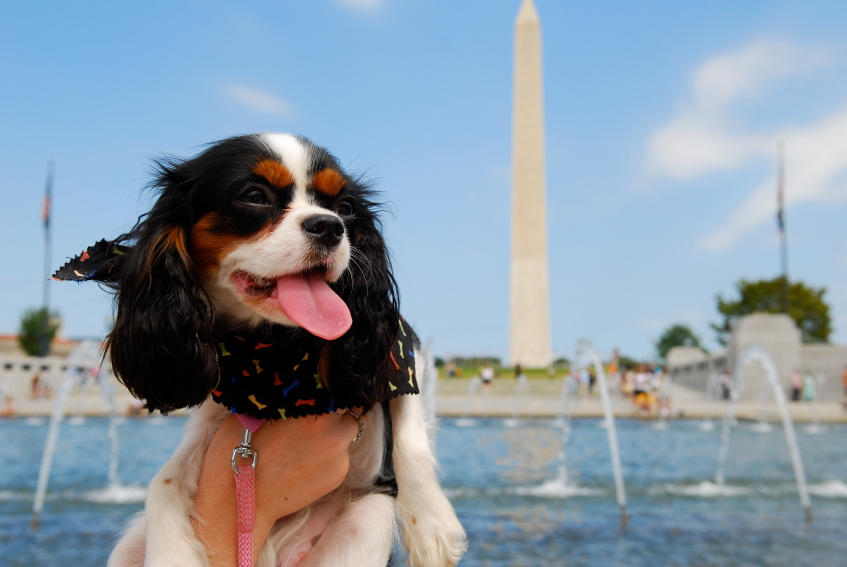
The cost of a family break with dogs varies significantly based on the chosen destination. Coastal areas often have higher prices compared to rural or less populated regions. Researching and comparing prices for accommodations, activities, and food in different locations is vital for cost-effective planning. Consider the transportation costs associated with reaching the destination, which can influence the overall budget.
Reducing Costs for a Positive Experience
Several strategies can help minimize expenses while ensuring a positive experience for both humans and dogs. Cooking some meals yourself instead of eating out daily can significantly reduce food costs. Utilizing free activities like parks and nature trails can substitute for paid entertainment options. Choosing accommodations with self-catering facilities can lower the cost of food and beverages.
Estimated Costs for a Family Break with Dogs
| Expense Category | Estimated Cost (per person, per day) |
|---|---|
| Transportation | $50-$150 |
| Accommodation | $75-$250 |
| Food (humans) | $30-$70 |
| Food (dogs) | $15-$30 |
| Activities | $20-$100 |
| Contingency | $20-$50 |
Note: These are estimates and will vary based on the specific destination, duration of the trip, and chosen activities.
Tracking Expenses and Managing Finances
Effective expense tracking is crucial during a family break. A dedicated spreadsheet or budgeting app can help record all expenses, ensuring transparency and control over finances. Regular monitoring of the budget allows for adjustments if necessary. Setting daily or weekly spending limits can also help manage finances effectively.
Emotional Well-being of Families and Dogs
Planning a family break with dogs involves more than just logistical considerations; it’s crucial to prioritize the emotional well-being of both humans and their canine companions. A well-planned trip can minimize stress and maximize enjoyment for everyone, fostering positive memories for years to come. Addressing the emotional needs of both family members and dogs will create a more harmonious and enjoyable experience.
A successful family break with dogs requires anticipating and addressing potential stressors for both species. Understanding canine behavior and recognizing early signs of distress is essential for creating a supportive and stress-free environment. This proactive approach ensures everyone feels comfortable and safe, promoting positive interactions and shared experiences.
Planning for Canine Emotional Well-being During Travel
Careful preparation minimizes stress for dogs during travel and new environments. A gradual introduction to travel situations and new spaces helps dogs adjust. Familiarizing dogs with travel crates, harnesses, and car rides well in advance of the trip can alleviate anxiety. Positive reinforcement and rewards during these activities will build positive associations.
Recognizing Stress and Anxiety in Dogs
Recognizing signs of stress or anxiety in dogs is vital. These signs might include panting, whining, trembling, changes in eating or elimination habits, excessive barking, or destructive behavior. Understanding these indicators allows for timely intervention and adjustments to the travel plan. Early recognition allows for proactive steps to ease their discomfort.
Recognizing Stress and Anxiety in Family Members
Family members can also experience stress and anxiety during travel. Symptoms might include irritability, difficulty sleeping, or increased tension. Open communication and shared responsibilities can help alleviate these feelings. Encouraging relaxation techniques for both dogs and family members can be a crucial step in creating a positive environment.
Promoting Relaxation and Enjoyment for All

Creating a relaxing environment for both dogs and humans is essential. Designated rest areas and quiet times can provide much-needed breaks. Providing interactive activities, such as puzzle toys or scent work, can help stimulate dogs mentally and reduce boredom. Engaging in calming activities like gentle walks or playtime in safe environments will be beneficial for everyone. Engaging in mindful activities such as meditation or yoga can foster relaxation for the family members.
Managing Family Conflicts
Traveling with dogs can sometimes lead to conflicts within the family. Establishing clear expectations and responsibilities beforehand, and discussing potential challenges as a family unit, can proactively address any disagreements. Open communication and a willingness to compromise can effectively mitigate any potential issues. Prioritizing the well-being of all family members and the dog, as a unified front, is key to resolving any conflicts.
Activities for Relaxation and Stress Relief
| Activity | Dog Benefit | Family Benefit |
|---|---|---|
| Gentle walks in a familiar environment | Physical and mental stimulation | Shared bonding time, fresh air |
| Interactive puzzle toys | Mental enrichment | Provides a quiet activity for the dog |
| Sniffing walks in parks | Mental stimulation, exploring new scents | Enjoying the outdoors together |
| Playtime with dog-friendly toys | Physical exercise and bonding | Fun bonding time |
| Designated quiet time for both dogs and humans | Opportunity for rest | Opportunity for relaxation and decompression |
| Calming music/sounds | Reduces stress and anxiety | Creates a relaxing atmosphere |
Final Thoughts: Family Breaks With Dogs
In conclusion, planning a family break with dogs requires careful consideration of various factors, from securing pet-friendly accommodations to ensuring the safety and well-being of your canine companions. This guide offers a practical framework for a successful and enjoyable vacation. Remember that thoughtful preparation, proactive planning, and prioritizing the emotional needs of both your family and your dog are key to making the most of this special experience.