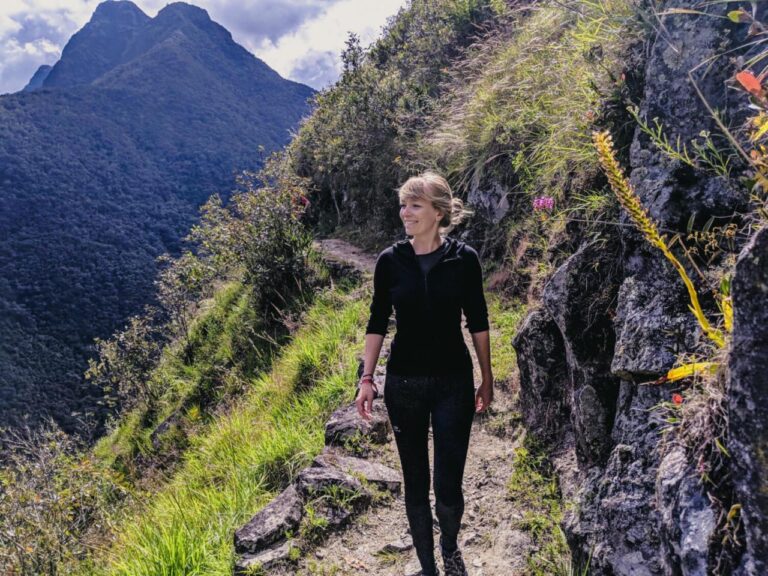
Galapagos Solo Female Travel Your Adventure Awaits
Galapagos solo female travel offers a unique opportunity to explore the incredible biodiversity of the Galapagos Islands. While the allure of the archipelago’s wildlife is undeniable, navigating solo travel, especially as a woman, can come with its own set of concerns. This guide explores the cultural context, safety precautions, and practical planning steps to make your Galapagos adventure safe, enriching, and unforgettable. From choosing accommodations to navigating the islands, we’ll equip you with the knowledge and resources to confidently embark on your solo journey.
The Galapagos Islands, famous for their unique wildlife, present a compelling destination for solo female travelers. This guide provides a comprehensive overview, addressing common anxieties and outlining the steps needed for a successful trip. We’ll cover everything from essential planning to practical safety measures, ensuring you have the tools to make the most of your adventure while prioritizing your safety and enjoyment.
Introduction to Galapagos Solo Female Travel
The Galapagos Islands, a unique archipelago teeming with wildlife, offer a captivating destination for solo female travelers. The pristine beauty of the islands, coupled with the diverse and often spectacular wildlife, makes it an alluring choice for independent exploration. However, understanding the nuances of solo travel in this environment is crucial for a safe and enjoyable experience.
Common concerns for solo female travelers often center around safety, especially in a remote location. There are also cultural considerations to be mindful of, ensuring respect for local customs. While the Galapagos offers a remarkable opportunity for personal growth and self-discovery, it’s vital to prepare adequately and approach the journey with an awareness of potential challenges and how to mitigate them. The potential rewards, however, far outweigh the potential drawbacks, making a Galapagos solo adventure for a woman a truly memorable experience.
Unique Appeal for Solo Female Travelers
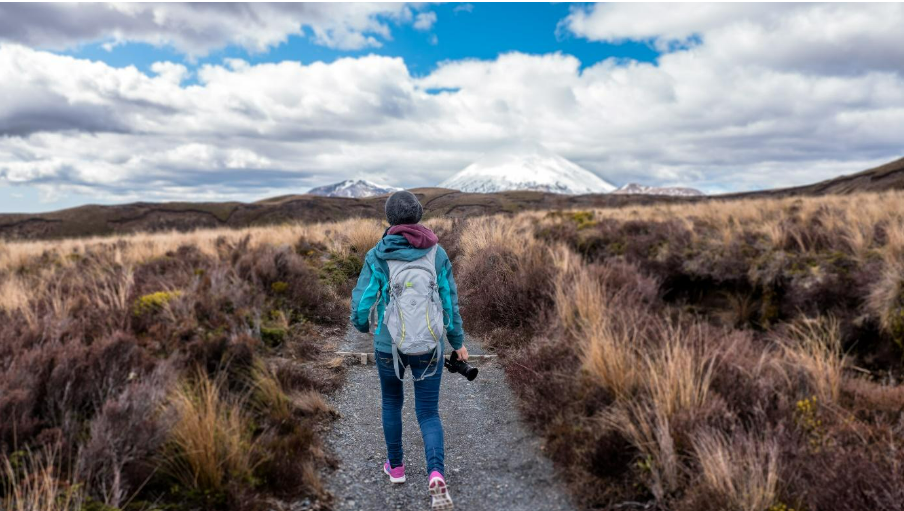
The Galapagos’ exceptional biodiversity, from giant tortoises to blue-footed boobies, is a powerful draw. The opportunity to witness these unique creatures in their natural habitat, combined with the stunning landscapes, makes it a captivating destination for nature lovers. This is further amplified by the relatively easy accessibility for solo travelers, with well-developed infrastructure for lodging and transportation.
Concerns and Anxieties
Concerns regarding personal safety are common among solo female travelers. Potential risks include theft, scams, and even physical harassment. However, with the right precautions, these concerns can be significantly mitigated. Cultural sensitivity is equally important. Being aware of local customs and demonstrating respect can greatly enhance the travel experience and reduce potential misunderstandings. It’s also essential to be aware of potential environmental hazards like uneven terrain, wildlife encounters, and weather conditions.
Cultural Context
The Galapagos Islands have a distinct culture influenced by their unique history. Respect for local traditions and customs is crucial. For solo female travelers, this might involve understanding appropriate attire for certain locations or events. Interaction with locals should be approached with genuine curiosity and respect, and always with awareness of cultural nuances. While the islands have a welcoming atmosphere, it is always advisable to be mindful of the environment and demonstrate appropriate respect for the local culture.
Potential Benefits and Advantages
Solo female travel in the Galapagos offers a unique opportunity for personal growth and self-discovery. The freedom to set one’s own pace and choose activities allows for a deeply immersive experience. Solo travelers have the opportunity to form meaningful connections with fellow travelers or locals, forging lasting friendships. Moreover, the unique perspective afforded by independent travel can lead to a deeper appreciation of the destination and its culture.
Practical Considerations for Solo Female Travelers
| Destination | Activity | Safety Tip | Accommodation Recommendation |
|---|---|---|---|
| Santa Cruz Island | Visiting the Charles Darwin Research Station | Inform someone of your itinerary and expected return time. | Eco-lodges near the research station for a more immersive experience. |
| Isabela Island | Hiking to the Sierra Negra volcano | Wear appropriate hiking gear and be mindful of the weather conditions. | Budget-friendly hostels or guesthouses in the island town for a more local feel. |
| Floreana Island | Snorkeling or diving in the mangroves | Inform your accommodation about your planned excursions. | Boutique hotels on the coast for a luxurious and safe stay. |
| San Cristobal Island | Visiting the Kicker Rock for whale watching | Check weather forecasts before venturing out. | Family-run hotels or hostels for a friendly and safe atmosphere. |
Planning Your Trip
Embarking on a solo Galapagos adventure requires careful planning, especially for a female traveler. This section details essential considerations for a smooth and safe journey, ensuring you maximize your experience while prioritizing your well-being. Understanding the nuances of travel logistics, accommodation, transportation, and tour operators will empower you to confidently navigate this incredible archipelago.
Travel Dates and Visa Requirements
The Galapagos Islands’ best time to visit is typically during the dry season, which runs from June to November. This period offers pleasant weather, fewer crowds, and optimal wildlife viewing opportunities. However, keep in mind that the specific timing may vary depending on your preferred activities and the specific wildlife you want to observe. Researching the best time for your specific interests is recommended. Visa requirements vary depending on your nationality. Ensure you check the Ecuadorian embassy website for the most up-to-date information regarding visa stipulations well in advance of your trip.
Local Customs and Etiquette
Respecting local customs and traditions is paramount. The Galapagos Islands are a unique ecosystem, and understanding local norms will enhance your experience. Be mindful of the environment and local wildlife. Avoid touching or feeding the animals, and follow designated walkways. Always be respectful of the local culture and environment.
Accommodation Options
The Galapagos offers a range of accommodations, from budget-friendly hostels to luxurious hotels. For solo female travelers, prioritizing safety and comfort is key. Look for well-reviewed hotels with secure facilities, preferably located in towns with a good safety record. Consider the location of the accommodation relative to your planned activities.
Transportation Within the Islands
Ferry services are a common and efficient mode of transport between the islands. They are generally safe and convenient, especially for solo female travelers. Consider pre-booking your ferry tickets to avoid potential last-minute issues. Look into the possibility of using smaller, more personalized transport options if your itinerary involves visiting multiple islands.
Tour Operator Comparison
Selecting a reputable tour operator is crucial for a positive and safe experience. Research tour operators specializing in Galapagos tours, particularly those with established safety protocols for female travelers. Read reviews from past clients and check for certifications or affiliations with recognized organizations. Look for operators who emphasize safety measures and responsible tourism practices. Some operators might offer dedicated guides for solo female travelers, which is a potential benefit.
Transportation, Accommodation, Duration, and Cost
| Transportation | Accommodation Type | Duration of stay (days) | Estimated cost (USD) |
|---|---|---|---|
| Ferry | Boutique Hotel (2-star) | 5 | $800-$1200 |
| Ferry/Taxi | Hostel (1-star) | 7 | $500-$800 |
| Ferry/Boat Tour | Luxury Lodge (4-star) | 10 | $1500-$2500 |
Note: Costs are estimates and can vary significantly based on the specific choices made for transportation, accommodation, and duration of stay. These examples are meant to provide a general idea of the cost range.
Activities and Experiences
Source: startbackpacking.com
Embarking on a Galapagos adventure as a solo female traveler offers a unique blend of exhilarating experiences and enriching encounters. This section will detail the activities available, highlighting safety considerations, and providing insights into the best ways to navigate the islands while prioritizing your well-being and enjoyment. Careful planning and awareness of local customs are key to a safe and positive solo journey.
This section explores a range of activities, from thrilling wildlife encounters to immersive cultural experiences, emphasizing responsible tourism practices. We’ll examine the diverse tour options, considering their suitability for independent female travelers, and discuss the importance of respectful interaction with both the local communities and the unique wildlife found in the Galapagos.
Wildlife Spotting and Hiking
Galapagos wildlife is a primary draw for visitors. The islands’ unique ecosystem boasts endemic species found nowhere else on Earth. Cruises and land-based tours offer a variety of opportunities to spot these remarkable creatures. Booking tours in advance, especially during peak season, is advisable. Guided hikes provide a deeper connection with the landscape and offer chances to observe wildlife in their natural habitat. Consider choosing tours with experienced guides who possess a strong understanding of the islands’ ecology and wildlife. Ensure that the tour operator adheres to strict conservation guidelines, respecting the delicate balance of the Galapagos ecosystem.
Cultural Immersion
Exploring the local communities of the Galapagos Islands can provide valuable insight into their culture and traditions. Visiting local settlements and interacting with residents offers a glimpse into their daily lives and perspectives. Tours focused on community engagement can be valuable experiences. These interactions should always be respectful and mindful of local customs. Inquire with tour operators about cultural sensitivity training for guides and participants. Engage in respectful conversations, and avoid any behavior that could be perceived as disrespectful or intrusive.
Types of Tours and Activities
Several types of tours and activities cater to solo female travelers in the Galapagos. Cruises are a popular choice, offering a comprehensive experience, with varying levels of luxury and accommodation. Land-based tours offer greater flexibility and allow for independent exploration of specific areas. Consider the type of experience you desire and your budget when selecting a tour.
- Cruises: Often provide a more comprehensive experience, with multiple wildlife encounters and a set itinerary. Look for options with a focus on safety and comfort. Verify the number of women on the crew or the tour to gauge the support offered.
- Land-based tours: Offer greater flexibility for independent exploration, allowing you to tailor your itinerary to your interests and pace. Research local guides and operators, and ensure their commitment to responsible tourism. Consider whether you prefer a tour with an emphasis on hiking or wildlife spotting.
Safety Precautions and Best Practices
Safety is paramount when traveling solo, particularly in a unique environment like the Galapagos. Understand the local laws and customs. Ensure you have adequate travel insurance. Communicate your itinerary to a trusted contact. Carry a copy of your passport and important documents. Follow the instructions of your tour guides and adhere to safety guidelines. Inform your hotel or tour operator of your whereabouts. Be aware of your surroundings and avoid walking alone in remote areas at night.
Respectful Interaction
Respecting the local communities and the fragile ecosystem of the Galapagos is crucial. Do not engage in any activity that could harm or disturb the wildlife or the environment. Follow the guidelines and recommendations provided by your tour operator or guide. Support local businesses and respectfully engage with the local community. Purchase souvenirs from local artisans and be mindful of the impact of your choices.
Activity Comparison
| Activity Type | Description | Duration | Considerations |
|---|---|---|---|
| Wildlife Spotting (Cruise) | Observing diverse wildlife, including marine iguanas, sea lions, and various bird species. | Variable (half-day to multi-day) | Potential for seasickness, need for suitable clothing. |
| Hiking | Exploring trails and landscapes, often with opportunities to spot wildlife. | Variable (short to full day) | Ensure appropriate footwear and clothing, and altitude awareness. |
| Cultural Immersion (Land-based tour) | Visiting local communities and interacting with residents. | Variable (half-day to multi-day) | Respectful interaction is crucial; learn basic local phrases. |
| Snorkeling/Diving | Exploring underwater marine life. | Variable (half-day to full day) | Appropriate gear and experience needed, check for suitable weather. |
Safety and Security for Solo Female Travelers
Traveling solo to the Galapagos Islands can be an incredible experience, but it’s essential to prioritize safety and security. Understanding potential risks and taking proactive measures can greatly enhance your enjoyment and peace of mind. This section includes crucial safety tips and precautions specifically tailored for solo female travelers.
Personal Safety and Security Measures
Taking proactive steps to ensure personal safety is paramount. This includes understanding the local environment and adhering to basic safety guidelines. Staying aware of your surroundings, especially in crowded areas or at night, is critical. Avoid walking alone in isolated areas, particularly at night. Inform someone of your itinerary and expected return time. Consider carrying a personal safety alarm or a whistle for added security. Choose well-lit accommodations and paths whenever possible.
Navigation and Communication
Effective navigation and communication are vital for staying connected and ensuring assistance in case of emergencies. Familiarize yourself with the island layout, including public transportation routes and walking distances. Utilize GPS navigation apps and print out maps of the areas you intend to visit. Ensure your mobile phone has sufficient local data or consider purchasing a local SIM card for reliable communication. Share your itinerary and contact details with a trusted friend or family member back home, and regularly update them on your location and activities. This proactive approach can greatly facilitate timely intervention in case of unforeseen circumstances.
Emergency Preparedness
Proper emergency preparedness is crucial for mitigating risks. Familiarize yourself with local emergency numbers and services. Keep a copy of important documents (passport, visa, travel insurance details) readily available and securely stored. Ensure your travel insurance covers medical emergencies and lost belongings. Learn basic first aid and have necessary medications readily available. In case of emergencies, promptly contact the relevant authorities, such as the Galapagos National Park Service, for assistance.
Staying Connected and Communicating
Maintaining communication with loved ones during your trip is essential. Utilize reliable communication methods such as Wi-Fi hotspots or local SIM cards to keep in touch. Inform your contacts about your travel plans, expected return dates, and emergency contact information. Regular updates, even if brief, can alleviate anxieties and ensure that your loved ones know you’re safe and well. Consider using messaging apps for instant communication.
Table: Potential Risks and Mitigation Strategies, Galapagos solo female travel
| Potential Risk | Mitigation Strategy | Contact Information | Emergency Procedures |
|---|---|---|---|
| Lost or separated from your group | Inform someone of your itinerary, stick to marked trails, carry a map and compass, and let your hotel/guide know your plans. | Local emergency services, hotel contact information | Follow the instructions of local authorities, signal for help if necessary, and use a safety whistle. |
| Medical emergency | Purchase comprehensive travel insurance, pack necessary medications, and carry a copy of your prescriptions. | Galapagos National Park Service emergency line, local clinics, emergency contacts | Seek immediate medical attention, inform the authorities, and follow medical instructions. |
| Theft or robbery | Be mindful of belongings in public areas, avoid displaying expensive jewelry, and secure valuables in hotel safes. | Local police, hotel security | Report the incident to local authorities, gather evidence, and file a claim with your insurance company. |
| Natural disaster | Stay informed about weather forecasts, follow instructions from local authorities, and avoid areas prone to natural hazards. | Galapagos National Park Service, local authorities | Seek shelter in designated areas, follow instructions from authorities, and stay informed. |
Budgeting and Financial Considerations
Planning a solo trip to the Galapagos requires careful budgeting. The archipelago’s beauty comes with a price tag, but savvy planning can ensure an unforgettable experience without breaking the bank. Understanding the cost breakdown and employing effective financial strategies are crucial for a smooth and enjoyable journey.
Effective financial management is essential for solo female travelers in the Galapagos. It involves not only tracking expenses but also building a safety net for unexpected situations. A pre-trip budget allows for realistic spending, preventing potential financial stress during the trip. Prioritizing essential expenses and finding affordable alternatives are key components of responsible financial planning.
Estimated Costs for a Galapagos Solo Trip
A Galapagos solo trip encompasses various costs, including accommodation, transportation, activities, and food. The total cost varies based on the traveler’s choices, travel style, and the duration of the trip. For a two-week trip, a moderate budget might range from $2,500 to USD 4,000.
| Category | Estimated Cost | Alternatives | Tips for saving money |
|---|---|---|---|
| Accommodation | $500-$1,500 (depending on hotel/hostel choice) | Hostels, guesthouses, budget-friendly hotels | Book in advance for better deals. Consider homestays for a local experience. |
| Transportation | $300-$500 (domestic flights and ferries) | Ferry travel (often cheaper than domestic flights) | Book flights and ferries in advance for potentially lower prices. Look for travel packages that include transportation. |
| Activities (Tours & Entrance Fees) | $800-$1,500 (Galapagos National Park fees, cruises, excursions) | Opt for smaller, more personalized tours. Consider self-guided walks. | Research different tour options. Consider multi-day tours that bundle multiple activities. |
| Food | $500-$800 (meals and snacks) | Pack some snacks and meals for certain days. Take advantage of local markets. | Cook some meals in your accommodation if possible. Try local restaurants for budget-friendly options. |
| Miscellaneous (Souvenirs, phone calls, etc.) | $200-$300 | Focus on experiences over material purchases. | Set a daily or weekly spending limit for souvenirs. |
Managing Finances During the Trip
Managing finances while traveling solo requires careful planning and execution. Using a budgeting app, carrying a mix of cash and credit cards, and creating a spending plan will assist with managing finances.
- Using a budgeting app helps track expenses in real-time, allowing for adjustments to your spending plan as needed. Popular budgeting apps provide detailed visualizations of spending patterns, offering insights into potential overspending.
- Carrying a mix of cash and credit cards is essential. Cash allows for flexibility in local markets, while credit cards provide a safety net and can be useful for emergencies or large purchases.
- Creating a spending plan allows for better control over finances. This involves allocating a specific amount for different categories (activities, accommodation, food, etc.) A spending plan promotes mindful spending and prevents overspending.
Potential Expenses and Management
Unexpected expenses are inevitable on any trip. Having a contingency fund for unforeseen events is crucial. Solo travelers, especially females, should be prepared for situations requiring extra care or attention.
- Contingency fund: A portion of your budget should be allocated as a contingency fund to cover unforeseen circumstances like medical emergencies or lost belongings. An amount of $200-$300 is a practical starting point.
- Emergency contact: Share your itinerary and emergency contact details with someone back home. This is vital for peace of mind and ensures someone knows your location and plans.
- Medical insurance: Comprehensive travel insurance is vital. Look for policies that specifically address the needs of solo female travelers. These policies should cover medical emergencies, lost belongings, and trip cancellations.
Securing Travel Insurance
Travel insurance is paramount for solo female travelers, offering financial protection in case of unforeseen circumstances. A comprehensive policy is essential, ensuring that the coverage aligns with your specific needs.
- Coverage for medical emergencies: A robust travel insurance plan should cover medical emergencies and associated costs. Look for policies that cover medical evacuations and any associated expenses.
- Coverage for lost or stolen belongings: Consider policies that reimburse the cost of lost or stolen belongings. This is particularly relevant for solo travelers, as belongings may be at higher risk.
- Trip cancellation or interruption coverage: Travel insurance should include provisions for trip cancellations or interruptions due to unforeseen circumstances. This protection is crucial for safeguarding your investment.
Wildlife Encounters and Conservation
The Galapagos Islands are renowned for their unique and diverse wildlife, a testament to their extraordinary biodiversity. Encountering these creatures is a highlight of any trip, but responsible interaction is crucial for both the animals’ well-being and the preservation of their habitats. Understanding the importance of conservation efforts and how tourism can play a vital role is key to making your trip a positive contribution to the archipelago.
The Galapagos Islands are a living laboratory of evolution, showcasing incredible adaptations. From the giant tortoises to the marine iguanas, each species has developed unique characteristics to thrive in this isolated environment. Responsible interaction is essential to ensuring their survival and maintaining the fragile ecosystem.
Unique Wildlife of the Galapagos
The Galapagos Islands are home to a plethora of unique species found nowhere else on Earth. These include giant tortoises, marine iguanas, blue-footed boobies, flightless cormorants, and various finch species. Observing their behavior in their natural habitat is a truly remarkable experience.
Responsible and Safe Wildlife Interaction
Maintaining a safe distance from wildlife is paramount. Approach animals with caution and avoid sudden movements. Never feed wildlife; this can disrupt their natural behaviors and create dependency. Respect their space and allow them to go about their daily activities undisturbed. Ensure you have the necessary permits and follow the guidelines established by the Galapagos National Park.
Importance of Conservation Efforts
The Galapagos Islands are a UNESCO World Heritage Site, recognized for their exceptional natural beauty and biodiversity. Protecting this unique ecosystem is vital to maintaining its ecological integrity. Conservation efforts focus on protecting the islands’ unique flora and fauna, preventing habitat destruction, and combating invasive species. These efforts ensure the future of the species that call these islands home.
Role of Tourism in Supporting Conservation
Responsible tourism plays a critical role in supporting conservation efforts. By adhering to strict guidelines and paying park fees, tourists contribute directly to the preservation of the islands. Sustainable tourism practices are essential to minimize environmental impact. This includes using eco-friendly transportation, staying at eco-lodges, and respecting the local culture.
Supporting Conservation Efforts During Your Trip
You can actively participate in supporting conservation efforts during your trip by choosing eco-lodges, using sustainable transportation options, and supporting local businesses. Refrain from purchasing souvenirs made from endangered species or their products. Be mindful of your waste and practice responsible waste disposal. Participate in guided tours that prioritize conservation and education.
Table of Galapagos Wildlife
| Animal | Habitat | Behavior | Conservation Efforts |
|---|---|---|---|
| Giant Tortoise | Dry, arid highlands and coastal areas | Herbivores, known for their slow movement and long lifespan | Protecting nesting sites, controlling invasive species, and breeding programs. |
| Marine Iguana | Coastal areas, rocky shores | Unique reptile that lives in the ocean, consuming seaweed | Monitoring populations and habitat protection. |
| Blue-footed Booby | Coastal areas, rocky shores | Known for their distinctive blue feet and acrobatic courtship displays. | Protecting nesting sites and controlling predators. |
| Flightless Cormorant | Coastal areas | A unique bird species that has lost the ability to fly. | Monitoring populations and protecting their habitat. |
Cultural Immersion and Local Experiences: Galapagos Solo Female Travel
Source: solofemaletravelers. club
The Galapagos Islands, while renowned for their unique wildlife, also offer a glimpse into the rich cultural heritage of the local communities. Immersing yourself in these experiences allows for a deeper understanding and appreciation of the islands’ vibrant history and traditions. This cultural immersion can significantly enrich your solo female travel experience, providing a deeper connection with the islands and their people.
Local Markets and Community Interactions
The Galapagos Islands have a few small but vibrant local markets where you can encounter local craftspeople and purchase handmade souvenirs, such as woven hats, pottery, and intricately carved wooden items. These markets are excellent opportunities to directly interact with the local community, fostering a sense of shared experience. Respecting local customs and traditions is key to a positive interaction.
Respecting Local Customs and Traditions
Demonstrating respect for local customs and traditions is crucial for a positive and meaningful cultural exchange. This includes observing local dress codes, especially when visiting religious sites. Understanding and respecting the local community’s values is vital. Learning a few basic phrases in Spanish, the local language, can greatly enhance your interactions.
Practical Advice for Interactions with Local People
When interacting with local people, maintaining a respectful demeanor is paramount. Listen attentively when conversing, and show genuine interest in their perspectives. Engage in small talk, but be mindful of personal space and avoid overly familiar behavior. Engage in conversations that demonstrate interest in their culture and customs. Remember to be patient, as communication may sometimes involve translation or cultural nuances.
Local Cuisine and Safe Consumption
The Galapagos Islands offer a delectable array of local cuisine, often incorporating fresh seafood and local produce. Be sure to try the fresh seafood dishes, as they are often prepared with simple yet flavorful techniques. When eating at local restaurants or street vendors, choose establishments that appear clean and well-maintained. This will help ensure the safety and quality of your food. Look for establishments with a high volume of local customers.
| Culture | Experience | Etiquette | Important considerations |
|---|---|---|---|
| Galapagos Islander Culture | Visiting local markets, interacting with artisans | Dress modestly when visiting religious sites. Learn basic Spanish phrases. Show genuine interest in their perspectives. | Be mindful of personal space. Avoid overly familiar behavior. Be patient; communication might require translation. |
| Local Cuisine | Trying fresh seafood dishes, local produce-based meals | Choose restaurants that appear clean and well-maintained. Look for establishments with a high volume of local customers. | Ensure food is cooked thoroughly. Be mindful of potential allergies. |
Illustrative Examples and Case Studies
Embarking on a solo female adventure in the Galapagos requires careful planning and a proactive approach to safety and security. This section provides real-world examples of successful journeys, highlighting the experiences of fellow travelers and outlining strategies for overcoming potential challenges. It’s designed to inspire and equip you with the knowledge to navigate your own extraordinary Galapagos expedition.
Navigating the unique challenges and opportunities of solo female travel in the Galapagos requires understanding the specific experiences of others. The following sections delve into successful trips, potential hurdles, and valuable testimonials to empower you on your journey.
Successful Solo Female Galapagos Trips
Solo female travelers have reported overwhelmingly positive experiences in the Galapagos, often citing the unique beauty and wildlife as highlights. Their careful planning and proactive approach to safety were key elements in their success. Many travelers have utilized reputable tour operators and pre-booked accommodations to streamline their experience and enhance safety.
- Experienced travelers often prioritize well-established tour operators with a proven track record of responsible tourism. These operators typically have experienced guides who can provide valuable insights into the local flora and fauna, as well as navigate the islands efficiently.
- Some solo travelers choose to book accommodations in well-regarded hotels or guesthouses in strategically located towns. This ensures convenient access to amenities, transportation, and potential social interactions with other travelers, which can be comforting.
- Pre-trip research on potential routes and activities is crucial. Solo travelers often select itineraries that align with their interests and physical capabilities. This allows them to maximize their time and enjoyment of the archipelago.
Overcoming Challenges During Solo Travel
The Galapagos Islands, while generally safe, can present unique challenges for solo female travelers. Effective strategies for overcoming these challenges include proactive planning, maintaining awareness, and building a strong support network.
- Effective communication is key. Sharing your itinerary with trusted contacts and utilizing reliable communication tools is essential. Keeping loved ones updated about your whereabouts and activities can provide peace of mind.
- Maintaining awareness of your surroundings is paramount. Knowing local customs and respecting cultural norms are important steps towards building positive interactions. Avoiding potentially risky situations and staying alert are crucial aspects of safe travel.
- Building a support network can be beneficial. Connecting with fellow travelers or engaging with local communities can provide a sense of security and companionship. Making connections with people who share similar interests can enhance your travel experience.
Testimonials from Solo Female Travelers
“The Galapagos Islands were even more spectacular than I imagined. The wildlife encounters were truly unforgettable, and the sense of adventure was unparalleled. Traveling solo as a woman was empowering, and I felt completely safe throughout my trip.” – Sarah M.
“I was initially hesitant about traveling solo, but the experience exceeded all my expectations. The incredible biodiversity and the friendly locals made the trip truly special. I would highly recommend it to any woman seeking an adventure.” – Emily R.
Popular Routes for Solo Female Travel (Infographic)
(Note: An infographic depicting popular Galapagos routes for solo female travel could be visualized here. It would highlight key locations, activities, and suggested itineraries. Visual elements such as color-coded routes, icons for activities, and estimated travel times would enhance comprehension.)
Illustrative Examples of Scenarios
Several scenarios demonstrate how solo female travelers successfully navigate the Galapagos Islands. For example, a traveler might choose a guided tour focused on wildlife viewing, allowing them to maximize their time and ensure their safety. Alternatively, a traveler might opt for a more independent trip, utilizing public transportation and local guides to experience a more immersive and authentic aspect of the islands.
Ending Remarks
In conclusion, a Galapagos solo female trip can be a truly rewarding experience. By understanding the cultural nuances, planning meticulously, and prioritizing safety, you can embark on an unforgettable adventure. This guide has provided a comprehensive overview of the planning process, emphasizing the safety and practical considerations needed for a successful trip. Remember to research, plan, and prioritize your well-being throughout your journey. With the right preparation, your solo Galapagos adventure will be filled with extraordinary wildlife encounters, cultural immersion, and lasting memories.