In-House RV Financing Near Me
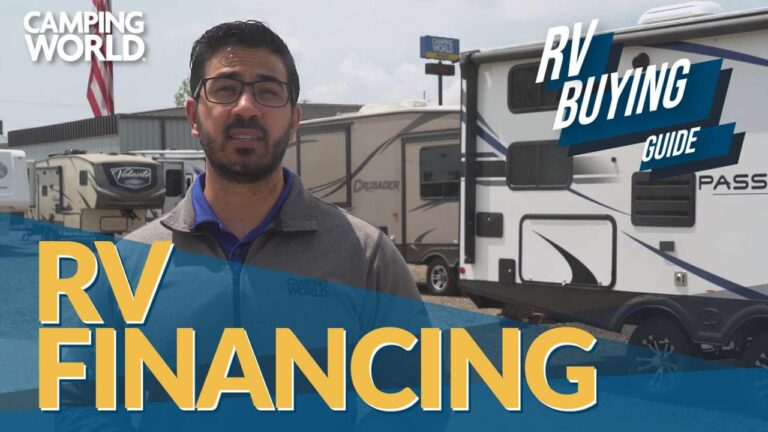
In house rv financing near me – In-house RV financing near me is a popular alternative to traditional bank loans. It offers a potentially streamlined process, but understanding the specific terms and conditions and the risks is crucial. This guide delves into the key aspects of in-house financing, comparing it to bank loans, and identifying local dealerships that offer this option. You’ll learn about the application process, common interest rates, and essential considerations to make informed decisions.
Navigating the world of RV financing can be complex. This resource aims to demystify in-house financing, providing practical insights to help you find the best option for your needs. Understanding the differences between in-house financing and bank loans, and the unique considerations involved, will allow you to make an educated decision.
Understanding In-House RV Financing
In-house RV financing, a common alternative to traditional bank loans, offers a unique approach to purchasing recreational vehicles. This method involves the dealership directly financing the RV, often providing a tailored solution for buyers. Understanding the intricacies of this process can empower potential buyers to make informed decisions.
In-house RV financing differs significantly from traditional bank loans, primarily in the lender. While bank loans involve third-party institutions, in-house financing is managed directly by the dealership. This direct relationship often allows for quicker approval processes and potentially more flexible terms, but also comes with inherent risks and considerations.
Benefits of In-House RV Financing
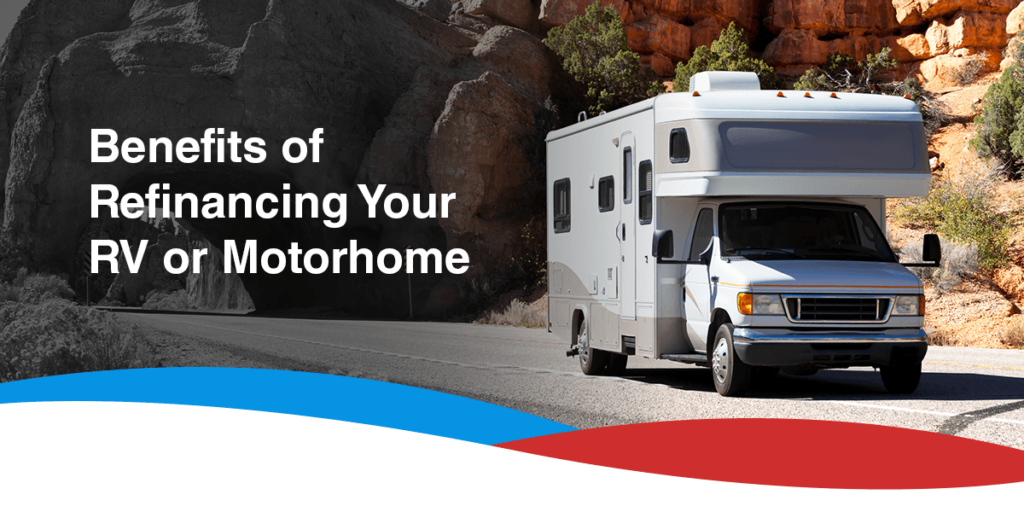
In-house financing can offer several advantages to prospective buyers. Faster approval times are a key benefit, often eliminating the lengthy wait periods associated with bank loan applications. Dealerships may also offer more personalized financing options, potentially adapting terms to suit individual circumstances. Additionally, in some cases, in-house financing may involve less stringent credit requirements than traditional loans, making it accessible to buyers with less-than-perfect credit histories.
Drawbacks of In-House RV Financing
While in-house financing has advantages, it also comes with potential drawbacks. Higher interest rates are a common concern. The terms and conditions of the financing agreement can be less favorable compared to bank loans. Furthermore, the absence of a third-party lender means buyers have less recourse in the event of issues with the financing agreement.
Steps Involved in Securing an In-House RV Financing Deal
The process typically involves these steps:
- Negotiating the purchase price of the RV, including the financing terms.
- Completing the necessary paperwork, including financial documentation and disclosures.
- Signing the financing agreement, which details the interest rate, repayment schedule, and other conditions.
- Receiving a copy of the agreement and all associated documents.
Typical Terms and Conditions
Typical terms and conditions in in-house RV financing agreements include:
- Interest Rate: Often higher than bank loans, but potentially negotiable. The rate may be tied to prevailing market conditions or the buyer’s credit history.
- Loan Term: Generally shorter than bank loans, typically ranging from 24 to 60 months, depending on the dealership’s policies and the buyer’s financial situation.
- Down Payment: May be lower or higher than in traditional loans, but usually required. The down payment amount can affect the interest rate and other terms.
- Prepayment Penalties: Some agreements may include penalties for early repayment. This should be highlighted in the agreement.
Comparison of In-House Financing and Bank Loans
| Feature | In-House Financing | Bank Loans |
|---|---|---|
| Interest Rate | Generally higher | Generally lower |
| Loan Term | Potentially shorter | Potentially longer |
| Application Process | Potentially faster | Potentially slower |
| Credit Requirements | Potentially less stringent | Typically more stringent |
| Lender | Dealership | Third-party financial institution |
Identifying Local Dealers Offering In-House Financing: In-House Rv Financing Near Me
Finding an RV dealer with in-house financing can significantly streamline the buying process. In-house financing often provides tailored terms and avoids the complexities of external lenders. This approach can be beneficial for both buyers and sellers, fostering a smoother transaction.
Potential In-House RV Financing Options Near Me
Locating RV dealerships offering in-house financing requires research. Begin by considering dealerships within a reasonable driving distance. Online searches, consultations with friends, and checking local RV forums are excellent starting points. Consult your local Chamber of Commerce for recommendations or check for RV industry associations in your area.
RV Dealerships Offering In-House Financing
This table provides a sample of RV dealerships in a hypothetical area, offering in-house financing. Real-world examples may vary.
| Dealer Name | Address | Phone Number |
|---|---|---|
| Adventure RV Center | 123 Main Street, Anytown, CA 91234 | 555-1212 |
| Sunset RV Sales | 456 Elm Avenue, Anytown, CA 91234 | 555-5678 |
| Mountain View RV | 789 Oak Street, Anytown, CA 91234 | 555-9012 |
Identifying Dealers Offering In-House Financing
Several avenues can help identify dealers offering in-house financing. Visiting dealership websites is crucial, as many explicitly state their financing options. Checking online reviews and contacting dealerships directly are also valuable steps. Local RV forums and social media groups may also provide insights into dealer practices and financing options.
Dealer Reputation Comparison, In-house RV Financing Near Me
Evaluating dealer reputation is essential when considering in-house financing. Customer reviews, both online and offline, provide valuable insights. Websites like Yelp, Google Reviews, and dedicated RV forums can offer feedback on the reliability and trustworthiness of dealers. Look for patterns in reviews; consistent positive feedback on financial dealings suggests a trustworthy dealer.
| Dealer | Customer Review Summary | Reliability and Trustworthiness Rating |
|---|---|---|
| Adventure RV Center | Positive reviews, mentioning straightforward financing processes and fair rates. | High |
| Sunset RV Sales | Mixed reviews, some mentioning issues with communication regarding financing. | Moderate |
| Mountain View RV | Mostly positive, with mentions of helpful staff and flexible financing terms. | High |
Comparison of Financing Options
Comparing financing options across dealers provides a clearer picture of available terms. Differences in interest rates and loan terms should be carefully considered. A dealer’s reputation for prompt communication, clear explanations, and flexible terms can be a key differentiator.
Analyzing the Application Process

Source: gorving.ca
In-house RV financing applications, while often streamlined compared to traditional bank loans, still require careful preparation and adherence to specific procedures. Understanding the application forms, necessary documents, approval criteria, and potential rejection reasons is crucial for a smooth process. This section delves into the practical aspects of navigating the application procedure.
The in-house financing application process typically involves submitting various forms and documentation to verify your financial status and suitability for the loan. Careful completion of these forms and accurate submission of required documents are key to a positive outcome.
Common Application Forms
The application process often begins with a standardized form outlining key details about the applicant, the RV, and the desired loan terms. This form usually includes sections for personal information, employment history, financial details, and a description of the RV being financed. Completing this form accurately and thoroughly is essential to ensure a swift and efficient application process.
Documents Needed to Complete the Application
A range of supporting documents is needed to substantiate the information provided in the application form. These typically include proof of income, such as pay stubs, tax returns, or bank statements. Proof of residency, such as utility bills or lease agreements, is also frequently required. Valid identification documents, such as a driver’s license or passport, are essential. Furthermore, details about the RV itself, including the VIN and purchase price, are necessary.
Approval Criteria for In-House Financing
In-house RV financing approval often hinges on several key factors. Credit history and score are usually scrutinized, reflecting the applicant’s repayment capacity. Income stability and debt-to-income ratio are also considered, demonstrating the applicant’s ability to manage financial obligations. The appraised value of the RV is often compared to the loan amount requested, ensuring a fair and sustainable financing structure.
Documentation Requirements and Timelines
The following table lists typical documentation requirements and the associated timelines. Note that specific requirements and timelines may vary among dealerships.
| Document | Description | Timeline (Approximate) |
|---|---|---|
| Income Verification | Pay stubs, tax returns, bank statements | Within 1-3 business days |
| Proof of Residency | Utility bills, lease agreements | Within 1-3 business days |
| Identification | Driver’s license, passport | Instantaneous |
| RV Information | VIN, purchase price, appraisal | Within 1-2 business days |
| Credit Report | Copy of credit report | Within 2-5 business days |
Potential Reasons for Application Rejection
In-house RV financing applications can be rejected due to various factors, including unsatisfactory credit history, insufficient income, high debt-to-income ratio, or a significant discrepancy between the requested loan amount and the RV’s appraised value. In some cases, inaccurate or incomplete information provided in the application forms can lead to rejection. A thorough understanding of these factors can help applicants proactively address potential issues and increase their chances of approval.
A comprehensive understanding of the requirements and a diligent approach to providing accurate and complete documentation can significantly enhance the chances of a successful in-house RV financing application.
Understanding Interest Rates and Terms
In-house RV financing offers a potentially convenient alternative to traditional dealerships, but understanding the specifics of interest rates, loan terms, and associated fees is crucial for making an informed decision. Knowing the typical parameters allows you to compare offers effectively and identify the best fit for your needs.
Interest rates and terms for in-house RV financing are often tailored to the individual circumstances of the buyer and the specific dealer. Factors like creditworthiness, the RV’s appraised value, and the dealer’s internal policies influence the final terms.
Typical Interest Rates
Interest rates for in-house RV financing can vary significantly. Generally, rates are comparable to, or slightly higher than, those offered by traditional lenders, reflecting the risk involved for the dealer. A range of 6-12% is commonly seen, although individual rates will depend on factors such as the buyer’s credit score, the RV’s condition and value, and the dealer’s specific financing policies.
Common Loan Terms and Conditions
In-house RV financing agreements typically include provisions concerning loan duration, repayment schedule, and potential penalties. These terms are crucial to understanding the overall cost and commitment. The loan term, usually ranging from 24 to 72 months, significantly affects the monthly payment amount. Flexible payment options, such as the possibility of making extra payments or adjusting the payment schedule, are sometimes available, but not always.
Comparison of Rates and Terms Across Dealers
Variations in interest rates and terms between different dealers are common. Differences arise due to variations in the dealer’s internal financing policies, risk assessments, and perceived credit risk. For example, a dealer with a strong financial backing might offer lower interest rates to attract customers, while a newer or smaller dealer might have higher rates. Conduct thorough research and obtain quotes from multiple dealers to identify the most favorable terms. It’s crucial to compare not only the stated interest rate but also the total cost of borrowing, including any fees.
Loan Duration
The typical loan duration for in-house RV financing generally falls between 24 and 72 months, aligning with typical loan terms for similar types of financing. Longer terms will often result in lower monthly payments but may also increase the overall interest paid over the life of the loan. A shorter term will reduce the total interest paid but increase monthly payments.
Potential Fees
In-house RV financing can involve various fees. Origination fees, typically a percentage of the loan amount, are common and help cover administrative costs for the dealer. Prepayment penalties may also apply, which could discourage early repayment and increase the overall cost if you need to pay off the loan early. Always scrutinize the fine print of the financing agreement to understand all associated fees.
Exploring Additional Considerations
In-house RV financing, while potentially convenient, comes with specific considerations that buyers should carefully weigh. Understanding the potential risks, thoroughly researching options, and appreciating the consequences of default are crucial steps in making an informed decision. Proper insurance coverage also plays a vital role in protecting both parties involved.
Thorough research and careful comparison are essential when considering in-house financing. A detailed analysis of different options, including interest rates, terms, and any associated fees, is critical to ensuring the best possible deal. This diligence prevents buyers from being trapped in unfavorable agreements.
Potential Risks of In-House RV Financing
In-house financing, while offering a streamlined process, may present certain risks. One key risk is the potential for the seller to be less transparent about the RV’s condition or history. Furthermore, the absence of a third-party lender might make it harder to resolve disputes or enforce agreements. This lack of regulatory oversight can sometimes leave buyers vulnerable to unfair or hidden costs.
Importance of Thorough Research and Comparison
A thorough investigation of various financing options is essential. Compare not only interest rates and terms but also hidden fees, repayment schedules, and any potential penalties. This process allows for informed decisions, ensuring the chosen financing aligns with the buyer’s financial capacity and long-term goals.
Consequences of Defaulting on an In-House RV Financing Agreement
Defaulting on an in-house RV financing agreement can have significant consequences. The consequences can vary depending on the specific terms of the agreement, but often include the repossession of the RV and potential legal action to recover any outstanding debt. For example, a buyer who fails to make timely payments might face losing the RV and accumulating additional financial burdens from legal fees.
Role of Insurance Coverage in In-House RV Financing
Insurance coverage plays a critical role in protecting both buyers and sellers in in-house RV financing. Comprehensive insurance protects the buyer’s investment against damage or theft, while it also provides recourse for the seller if the RV is damaged or lost due to an event covered by the policy. Adequate insurance coverage is critical to mitigate risks and ensure a smooth transaction.
Common Concerns and Issues in In-House RV Financing
| Common Concerns/Issues | SolutionsPreventivee Measures |
|---|---|
| Hidden or undisclosed issues with the RV’s condition | Thorough inspection of the RV by a qualified mechanic, obtaining a pre-purchase inspection report, and carefully reviewing all documentation. |
| Unfavorable interest rates or terms | Comparing interest rates and terms offered by various lenders, including in-house financing options, and negotiating favorable terms. |
| Lack of recourse in case of disputes | Seeking legal counsel or advice from consumer protection agencies to understand the buyer’s rights and protections under state laws. Documentation of all agreements is critical. |
| Difficulty in resolving disputes | Creating a comprehensive contract outlining all terms, conditions, and responsibilities of both parties. Consider mediation or arbitration clauses within the agreement. |
| Uncertainty about the RV’s title | Ensuring the RV’s title is clear and free of any liens or encumbrances. Verify title information through official channels. |
Closure
In conclusion, in-house RV financing near me presents a viable alternative to traditional loans. However, thorough research and careful consideration of interest rates, terms, and potential risks are essential. This guide provides a comprehensive overview, empowering you to confidently explore this financing option and make informed choices about your RV purchase. Remember to compare dealerships, scrutinize the application process, and understand the associated fees before committing.