Owner Financing Campers Near Me Your Guide
Owner financing campers near me is a great way to find the perfect RV or camper without a bank loan. Many sellers offer attractive terms, often tailored to the needs of buyers with varying budgets. Understanding the different financing options available, as well as local market trends, can help you navigate the process effectively.
This guide delves into the specifics of owner financing, exploring various methods, pros and cons, and crucial considerations. It also details how to evaluate local sellers, highlighting the benefits for both buyers and sellers. Plus, we address potential challenges to ensure a smooth transaction.
Understanding the Target Audience: Owner Financing Campers Near Me
Owner financing for campers caters to a specific segment of buyers. These individuals are often looking for a recreational vehicle but face financial constraints that make traditional financing options challenging. Understanding their motivations, needs, and potential pain points is crucial for effectively marketing these camper options.
Typical Camper Buyer Profile
The typical buyer of a camper using owner financing is likely a family or individual with a moderate to above-average income, but who may be looking to maximize their recreational spending within their financial means. They often have a desire for outdoor adventures and experiences, but may have a lower credit score or a need for more flexible financing terms.
Motivations and Needs
These buyers are driven by a desire for a camper lifestyle, but are constrained by traditional financing limitations. They prioritize affordability and flexibility, often seeking a down payment structure that suits their current financial capacity. They might be seeking to avoid high interest rates or lengthy approval processes. The appeal of owner financing is often the potential for faster approval and more manageable payments.
Demographics
Potential demographics include individuals aged 35-55, with a median income ranging from $60,000 to $100,000 annually. Family size might vary from couples without children to families with young children. Geographical location could be in areas with a high demand for outdoor activities, like mountain regions, lakeside areas, or near national parks. These demographics may also include those seeking to downsize their lifestyles and find affordable recreational options.
Common Pain Points and Challenges
Potential buyers might face challenges like limited access to traditional financing options due to factors like low credit scores, high debt-to-income ratios, or recent credit issues. They might struggle with the upfront costs of a camper, including down payments and closing costs. A lack of understanding of the terms and conditions of owner financing can be a significant hurdle. Additionally, the risk associated with a private sale and the potential for unexpected issues with the camper could also be concerning.
Buyer Persona: “Sarah”
Sarah is a 45-year-old family woman with two children. She and her husband, Michael, are looking for a weekend camper to explore nearby national parks. They have a combined annual income of $85,000, but are cautious about stretching their budget too thin. Their credit score is a 680, which, while not perfect, still might be considered average. Sarah is eager to experience the outdoors with her family, but is also aware of the financial responsibilities involved in purchasing a camper. She’s looking for a financing option that balances her financial needs with her desire for recreational experiences.
Exploring Owner Financing Options
Owner financing, a common alternative to traditional bank loans, can make purchasing a camper more accessible. It allows buyers to work directly with the seller, potentially securing favorable terms. Understanding the different methods and their associated implications is crucial for making an informed decision.
A key consideration in owner financing is the flexibility it offers. While this can be a benefit, it also comes with its own set of risks and responsibilities for both buyer and seller. Careful analysis of the terms and conditions, along with a thorough understanding of potential risks, is vital for a successful transaction.
Different Methods of Owner Financing
Various methods exist for owner financing of campers, each with its advantages and disadvantages. Understanding these distinctions is crucial for navigating the process effectively.
- Cash-Down Payment with a Loan: The buyer makes a down payment in cash and finances the remaining balance through a traditional loan from a bank or credit union. This method often provides a degree of flexibility in terms, but it can come with higher interest rates compared to seller financing.
- Seller Financing: The seller directly provides the financing to the buyer. This approach typically results in lower interest rates, but it also involves risks for the seller, including the possibility of default and the need to manage the loan. The seller may require additional collateral or security to mitigate these risks.
Pros and Cons of Each Method
Each owner financing method presents a unique set of advantages and disadvantages, impacting both the buyer and the seller.
- Cash-Down Payment with a Loan: Pros include flexibility in terms and conditions, allowing buyers to work with different lenders and explore various interest rates. Cons involve the potential for higher interest rates compared to seller financing, potentially adding to the overall cost of the camper.
- Seller Financing: Pros include potentially lower interest rates, simplifying the financing process, and potentially creating a faster closing. Cons include the seller’s financial risk and liability, should the buyer default on the loan. The seller must carefully consider the creditworthiness of the buyer and the terms of the financing agreement to mitigate these risks.
Comparing Terms and Conditions
Understanding the terms and conditions of different financing arrangements is crucial for buyers. Factors such as interest rates, loan terms, and repayment schedules vary significantly. A comparison chart can help assess the options.
| Financing Option | Description | Pros | Cons |
|---|---|---|---|
| Cash-Down Payment with a Loan | Buyer makes a down payment and finances the remainder. | Flexible terms, diverse lender options | Potentially higher interest rates, a more complex process |
| Seller Financing | The seller provides financing to the buyer. | Potentially lower interest rates, simplified process | Seller’s risk and liability, limited lender options |
Documentation Requirements
Specific documentation requirements vary depending on the financing method and local regulations. A clear understanding of these requirements is essential for a smooth transaction.
- Cash-Down Payment with a Loan: Typically requires credit reports, proof of income, and loan application forms. The lender will evaluate the buyer’s creditworthiness and ability to repay the loan.
- Seller Financing: The seller might require a formal promissory note outlining the terms of the loan and a security instrument, such as a mortgage, if applicable. The buyer’s creditworthiness and ability to repay the loan are crucial considerations for the seller.
Analyzing Local Market Conditions
Understanding the local market is crucial for effectively targeting potential buyers and establishing competitive pricing strategies for owner-financed campers. This analysis delves into current trends, availability, pricing, and the prevalence of owner financing within the local camper market. This information will help determine the viability of offering owner financing options.
Local camper markets are dynamic, influenced by various economic factors. Changes in interest rates, inflation, and consumer confidence can significantly impact sales volume. The availability of financing options, alongside the overall condition of the local economy, can significantly alter the demand for campers. Therefore, a precise understanding of local conditions is essential for a successful owner financing strategy.
Current Market Trends for the Campers

Recent market trends indicate a fluctuating demand for campers, influenced by seasonal variations and economic cycles. For example, a surge in summer travel often leads to higher demand and prices, while slower periods may see prices adjust downwards. Understanding these patterns is vital for adjusting pricing and inventory strategies.
Availability of Campers and Pricing Trends
The availability of campers varies by model, year, and condition. High-demand models or specific features might be limited, affecting pricing. Conversely, less desirable models or those with minor issues may be more readily available at lower prices. Data from local dealerships and online marketplaces can help establish a baseline understanding of current camper availability and pricing trends.
Prevalence of Owner Financing in the Local Market
Local camper dealerships and sellers are increasingly exploring owner financing options. This trend is driven by competitive pressures, the desire to expand market reach, and the recognition that owner financing can attract buyers who might otherwise be excluded by traditional financing options. Identifying the types of financing currently being offered by competitors is crucial to understanding the market landscape.
Camper Sales Volume and the Role of Financing
Data on local camper sales volume is important for assessing the potential impact of owner financing. Analyzing sales data over recent years can reveal trends related to financing. For instance, observing a correlation between financing availability and sales volume can offer insights into consumer behavior and preference. Examining the past performance of local dealers in owner financing strategies can provide valuable information on the market’s response.
Impact of Economic Factors on Camper Sales
Economic factors significantly impact camper sales. During periods of economic uncertainty or recession, sales may decline due to reduced consumer spending. Conversely, economic growth often results in increased disposable income and higher demand for recreational vehicles. Historical data on sales trends during various economic cycles can help predict future market behavior.
Presenting Financing Options
Navigating the landscape of owner-financing for campers requires a thorough understanding of the available options and the specific criteria for selecting reliable sellers. This section details various financing plans, offering potential buyers a clearer picture of the terms and conditions associated with each opportunity. Knowing the key features of different plans empowers buyers to make informed decisions aligned with their financial circumstances.
Local Sellers Offering Owner Financing
Identifying reputable local sellers who offer owner financing is crucial for a successful transaction. A comprehensive list of these sellers is presented below, allowing prospective buyers to research and compare options.
- Campers R Us
- Outdoor Adventures Inc.
- The RV Emporium
- Mountain View Campers
- Cozy Cabin Campers
Criteria for Selecting Reliable Sellers
Not all sellers offering owner financing are created equal. Assessing the reliability of a seller is essential to mitigate risks. Consider these factors:
- Reputation and Reviews: Thoroughly research the seller’s online reputation through reviews on platforms like Yelp, Google Reviews, and dedicated RV forums. Negative feedback patterns or a lack of reviews might suggest potential issues.
- Financial Stability: Inquire about the seller’s financial history and track record in the RV industry. A long-standing business with a history of successful transactions suggests a greater likelihood of reliability.
- Clear Contract Terms: Scrutinize the financing contract thoroughly to ensure all terms, including interest rates, down payments, and repayment schedules, are clearly articulated and mutually agreed upon. Unclear or ambiguous language could indicate hidden risks.
- Legal Compliance: Verify that the seller is compliant with all relevant state and local laws regarding financing agreements. This safeguards both the buyer and the seller from potential legal issues.
Key Features of Financing Plans
The key features of owner financing plans can significantly impact the overall cost and terms of the agreement. Understanding these features is crucial for making an informed decision.
- Interest Rate: The annual percentage rate (APR) charged on the loan. A lower interest rate translates to a lower overall cost over the life of the loan. For example, a 5% APR will result in significantly lower interest payments than a 10% APR over a 36-month loan.
- Loan Term: The duration of the loan, usually measured in months or years. A longer loan term allows for lower monthly payments but increases the total interest paid over the life of the loan.
- Down Payment: The initial amount paid upfront by the buyer. A higher down payment reduces the principal loan amount, potentially lowering the monthly payment and increasing the likelihood of approval.
- Prepayment Options: Check if there are penalties or incentives for prepaying the loan. This allows flexibility for the buyer and might provide an advantage.
Comparison Table of Financing Options
A comparative analysis of financing options offered by various sellers helps buyers make informed decisions based on their circumstances. The table below illustrates a snapshot of available options.
| Seller | Financing Terms (months) | Interest Rate (APR) | Down Payment (%) |
|---|---|---|---|
| Campers R Us | 36 | 7.5% | 20% |
| Outdoor Adventures Inc. | 48 | 8.0% | 15% |
| The RV Emporium | 60 | 6.5% | 25% |
| Mountain View Campers | 36 | 7.0% | 10% |
| Cozy Cabin Campers | 48 | 7.8% | 18% |
Highlighting the Benefits of Owner Financing
Owner financing for campers presents a compelling alternative for both buyers and sellers, offering a streamlined approach that can be mutually beneficial. This method can often expedite the transaction process and foster a more direct relationship between the parties involved. Understanding the advantages for both sides, along with potential success stories, is key to appreciating the full potential of this financing option.
Owner financing offers unique advantages, potentially increasing sales for sellers and providing attractive terms for buyers. By exploring these benefits, sellers and buyers can make informed decisions that align with their specific needs and circumstances.
Advantages for Buyers
Owner financing often provides more favorable terms than traditional financing options, potentially offering lower interest rates or more flexible payment structures. This can be especially attractive to buyers with limited access to conventional loans or those seeking a unique financing solution.
- Lower Interest Rates: Sellers, with a lower risk profile, might be willing to offer lower interest rates than banks or lenders. This can significantly reduce the buyer’s overall financing costs.
- Flexible Payment Terms: Owner financing allows for greater flexibility in payment schedules and terms. This can be advantageous for buyers with fluctuating income or those seeking longer repayment periods.
- Faster Closing Time: The process can often be faster and more straightforward compared to traditional financing methods, potentially saving buyers time and effort.
- Unique Financing Options: Owner financing may allow for unconventional down payment structures or other terms that a buyer might not find in traditional lending.
Advantages for Sellers
Owner financing can be a powerful tool for sellers, allowing them to sell their campers more quickly and efficiently. It also allows for greater control over the transaction.
- Increased Sales Probability: Owner financing can make a camper more attractive to a wider range of buyers who might not qualify for or be interested in traditional loans. This can lead to a quicker sale.
- Improved Cash Flow: While the seller will be responsible for the financing, the arrangement can lead to a more predictable income stream over the term of the financing. This can be a valuable aspect of owner financing, potentially resulting in improved cash flow.
- Reduced Risk: By directly managing the financing, the seller can have greater control over the risk profile and potentially receive the full purchase price. This contrasts with traditional financing where the lender bears the majority of the risk.
- Potential for Higher Profit: By increasing the likelihood of a sale and potentially adjusting the interest rate, a seller may be able to achieve a higher profit compared to a sale that depends on a buyer securing financing through a traditional lender.
Success Stories and Testimonials
Numerous success stories highlight the positive experiences of both buyers and sellers with owner financing. These narratives often illustrate how this method can create mutually beneficial outcomes.
- A seller who used owner financing for their camper successfully sold the unit within a week of listing. This resulted in a faster turnover of assets, allowing the seller to focus on other ventures.
- A buyer who secured owner financing for a camper was able to purchase a unit at a lower interest rate compared to traditional options, saving them thousands of dollars over the life of the loan.
- A seller using owner financing was able to generate a predictable income stream over several years. This approach enabled the seller to manage their finances more effectively.
Typical Owner Financing Transaction Steps
A typical owner financing transaction involves several key steps. Understanding these steps can help ensure a smooth and successful process.
- Negotiation and Agreement: This involves discussing the terms of financing, including the interest rate, payment schedule, and loan duration.
- Documentation: Creating legally sound documents is critical, including a promissory note and security agreement outlining the terms of the loan.
- Closing the Deal: This involves exchanging the camper and the loan documents.
- Ongoing Payments: This includes regular payments to the seller and management of the loan terms throughout the agreement.
Legal and Regulatory Aspects
Navigating the legal and regulatory aspects of owner financing is essential for both parties to protect their interests.
- Consult with an Attorney: Seeking legal advice from an attorney familiar with owner financing is crucial to ensure compliance with all applicable laws and regulations.
- Understand State Laws: State laws may impose specific requirements or regulations on owner financing transactions.
- Document Everything: Thorough documentation is essential to establish a clear understanding of the agreement’s terms, and it protects both parties in case of disputes.
Structuring Content for Accessibility
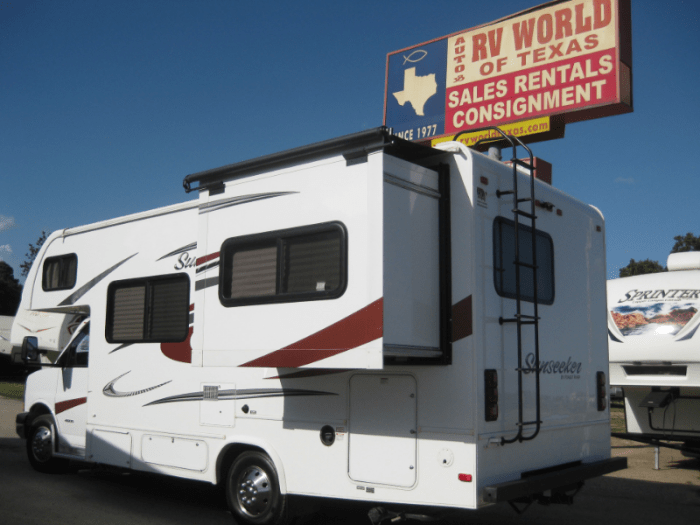
Source: autorevo-powersites.com
Organizing information logically and presenting it in a user-friendly format is crucial for potential buyers considering owner-financing camper options. A clear and concise presentation of financing options, benefits, and market conditions helps build trust and understanding. This section details how to structure the content for optimal accessibility.
Well-structured content enhances readability and comprehension. Using a logical flow and appropriate headings and subheadings allows visitors to easily navigate and locate specific information. Bullet points and numbered lists provide clarity and emphasize key takeaways, while tables facilitate the comparison of financing options. This approach ensures that the content is both informative and easy to digest.
Logical Sectioning
Content should be grouped into logical sections, each focusing on a specific aspect of owner financing for campers. This organization helps users find the information they need quickly and easily. For instance, one section might focus on the various financing options available, while another details the benefits of choosing owner financing.
Using Headings and Subheadings
Headings and subheadings are essential for breaking up large blocks of text and improving readability. Use a hierarchical structure, with H2 headings for major sections, H3 headings for subsections, and so on. This creates a clear visual hierarchy, making it easy for users to scan the content and locate specific details. For example, a section on “Understanding Owner Financing Options” might have subsections on “Down Payment Requirements,” “Interest Rates,” and “Loan Terms.”
Utilizing Bullet Points and Numbered Lists
Bullet points and numbered lists are effective tools for highlighting key information. Use bullet points for a list of benefits or key features. Use numbered lists for step-by-step instructions or for presenting items in a specific order. For example, a list of benefits might include “Lower interest rates,” “Flexible payment options,” and “Personalized financing terms.” A numbered list could articulate the steps to apply for owner financing.
Visual Presentation
Visually appealing content enhances engagement and comprehension. Use whitespace effectively to separate different sections and elements. Consider using different font sizes and styles to highlight important information. Avoid overly cluttered layouts that can make it difficult to read. For example, a table could be used to compare different financing options, highlighting key factors like interest rates and terms. A clear layout and visual appeal make the information more inviting and easier to understand.
Presenting Financing Options
A table is a powerful tool for presenting various financing options clearly and concisely. This allows for easy comparison and understanding of different terms and conditions.
| Financing Option | Interest Rate | Down Payment | Loan Term | Other Conditions |
|---|---|---|---|---|
| Option 1 | 6.5% | 10% | 5 years | Pre-approval required |
| Option 2 | 7.2% | 20% | 7 years | No pre-approval needed |
| Option 3 | 8.0% | 15% | 10 years | Flexible payment schedule |
This table displays the key characteristics of different financing options, allowing potential buyers to compare them easily.
Addressing Potential Challenges
Owner financing, while a beneficial option for both buyers and sellers, presents certain risks that must be carefully considered. Understanding these challenges and implementing strategies to mitigate them is crucial for a successful transaction. Proactive planning and a strong understanding of the potential pitfalls are essential to avoid unforeseen problems.
Careful evaluation of the buyer’s financial situation, the market value of the camper, and the terms of the financing agreement are vital for a smooth and mutually beneficial transaction. Thorough due diligence minimizes the chance of disputes and ensures that both parties are comfortable with the terms and conditions.
Identifying Potential Risks
Owner financing, while offering advantages, can be fraught with potential challenges if not approached with caution. These risks often stem from a lack of standardized procedures and the potential for miscommunication or misunderstanding. Factors such as the buyer’s ability to repay the loan, changes in market value, and unexpected circumstances like repairs or damage can impact the transaction. A clear understanding of these potential issues is the first step in mitigating them.
Developing Mitigation Strategies
Addressing the risks associated with owner financing requires proactive measures. A crucial aspect is conducting a thorough credit check on the buyer, assessing their ability to repay the loan, and establishing a realistic repayment schedule. Furthermore, a comprehensive appraisal of the camper’s value is essential to ensure a fair price and protect the seller’s investment. Lastly, incorporating detailed legal documentation and obtaining legal counsel are paramount to safeguarding both parties’ interests.
Importance of Clear Contracts and Legal Advice, Owner financing campers near me
A well-drafted contract is essential to outlining the terms and conditions of the owner financing agreement. This contract should clearly define the repayment schedule, interest rates, and penalties for default. It should also specify the responsibilities of both the buyer and the seller regarding maintenance, repairs, and any other pertinent issues. Consulting with a legal professional is highly recommended to ensure the contract is legally sound and protects both parties’ interests. Legal counsel can also help anticipate potential issues and develop strategies to mitigate risks.
Ensuring a Smooth Transaction
Several steps can help ensure a smooth transaction. First, thorough pre-sale inspections of the camper can help identify any potential issues, and these should be disclosed to the buyer. Second, setting realistic expectations for the payment schedule is important to ensure the buyer’s ability to make payments. Finally, having a clear plan for handling potential defaults or disputes is crucial. This might include mediation or arbitration options, as stated in the contract.
Examples of Common Problems and Resolution Strategies
| Problem | Resolution Strategy |
|---|---|
| Buyer defaulting on payments | The contract should Artikel default procedures, which could include foreclosure (if allowed by local laws) or renegotiation of terms. Having a clear default clause in the contract is crucial. |
| Appraisal value differing significantly from agreed-upon price | A detailed appraisal should be conducted before the agreement is finalized. A review of comparable sales in the area can also provide insights into fair market value. |
| Unexpected repairs or damages to the camper | The contract should specify who is responsible for repairs and how these expenses are handled. A contingency fund or provisions for repair costs should be built into the agreement. |
Closing Notes
In conclusion, owner financing campers near me can be a valuable tool for finding the perfect camper without traditional financing hurdles. By understanding the options, local market dynamics, and potential risks, buyers and sellers can make informed decisions. This guide provides a comprehensive overview to help you navigate the process successfully.