Solo Road Trip as a Woman A Guide
Solo road trip as a woman offers an unparalleled journey of self-discovery and adventure. It’s a chance to explore new landscapes, meet fascinating people, and push personal boundaries. This comprehensive guide delves into the practicalities, challenges, and rewards of embarking on such a trip, providing a wealth of information from planning to execution.
This guide covers everything from creating a detailed itinerary and choosing safe accommodations to navigating potential cultural differences and prioritizing safety. We’ll also explore how to stay connected, entertained, and mindful while on the road, and provide a realistic budget overview.
Planning & Preparation
Embarking on a solo road trip is an exhilarating experience, but meticulous planning is key to a safe and enjoyable journey. This section details the essential steps to ensure your solo adventure goes smoothly, from packing to safety precautions. A well-prepared traveler is a happy traveler.
Essential Items for a Solo Road Trip
A comprehensive packing list is crucial for a comfortable and worry-free road trip. Consider categorizing your items by function for easier organization.
- Safety: Include a first-aid kit, a personal safety alarm, a portable charger for your phone and other devices, a fully charged spare phone, a multi-tool, and a whistle. A high-quality flashlight is also essential for unexpected situations, and a small knife for emergencies is a great addition. Always have important documents like your driver’s license, insurance information, and any necessary medical records readily accessible.
- Navigation: A GPS device or navigation app with offline maps is vital. Consider a paper map as a backup, especially for areas with limited cell service. Also, a portable charger is essential for your phone and GPS device, ensuring you can access maps even in areas with limited power.
- Entertainment: Pack books, audiobooks, podcasts, or downloaded movies for those moments when you need a distraction or want to unwind. Portable games, a travel journal, or a camera can also provide enjoyment and keep you engaged during your journey. A tablet or e-reader is a convenient option for various forms of entertainment.
- Comfort: Comfortable clothing, a lightweight blanket, and a pillow are key for a restful experience. Don’t forget a reusable water bottle for staying hydrated. Pack appropriate clothing for different weather conditions and activities.
- Food & Drinks: Include non-perishable snacks, a reusable water bottle, and a thermos for hot beverages. If you have dietary restrictions, make sure to pack food items that meet your needs.
Accommodation Options for Solo Female Travelers
Finding safe and suitable accommodations is paramount, especially when traveling alone.
- Hotels and Motels: These are generally safe and convenient, with staff readily available in case of emergencies. They often offer amenities like swimming pools, restaurants, and parking, making them suitable for relaxing and convenient stops. However, they can be more expensive than other options.
- Hostels: Hostels can be an economical choice, especially for budget-conscious travelers. They often provide social opportunities to meet other travelers and share experiences. However, safety and privacy can be concerns, and the ambiance may not be as luxurious as a hotel.
- Airbnb: Airbnb allows for a more home-like experience, offering private rooms or entire apartments. They can be a great option for those seeking a sense of local community. However, it’s essential to thoroughly research the host and property before booking.
- Campgrounds: Camping is an affordable option for those seeking a more immersive experience with nature. It’s important to ensure the campground has security measures and is in a safe location.
Sample 7-Day Solo Road Trip Itinerary
A sample itinerary provides a framework for your journey.
- Day 1-2: Travel to your first destination. Include a stop for lunch and a short rest stop.
- Day 3-4: Explore the destination, including sightseeing, dining, and activities. Book tours and activities in advance, especially if they are popular.
- Day 5-6: Travel to your next destination. Enjoy the journey and include stops for meals and breaks.
- Day 7: Travel back home. Include a final meal stop and departure. This itinerary can be adjusted to fit your interests and pace.
Researching and Booking Accommodations and Activities
Planning is crucial for smooth travel.
- Online Platforms: Utilize websites like Booking.com, Expedia, and Airbnb to compare prices and availability for accommodations. Similarly, use sites like Viator or GetYourGuide for booking tours and activities.
- Read Reviews: Thoroughly review customer feedback to gain insights into the quality of accommodations and activities.
- Contact Directly: For accommodations and activities, contact them directly to clarify any questions or special needs.
Prioritizing Safety and Security
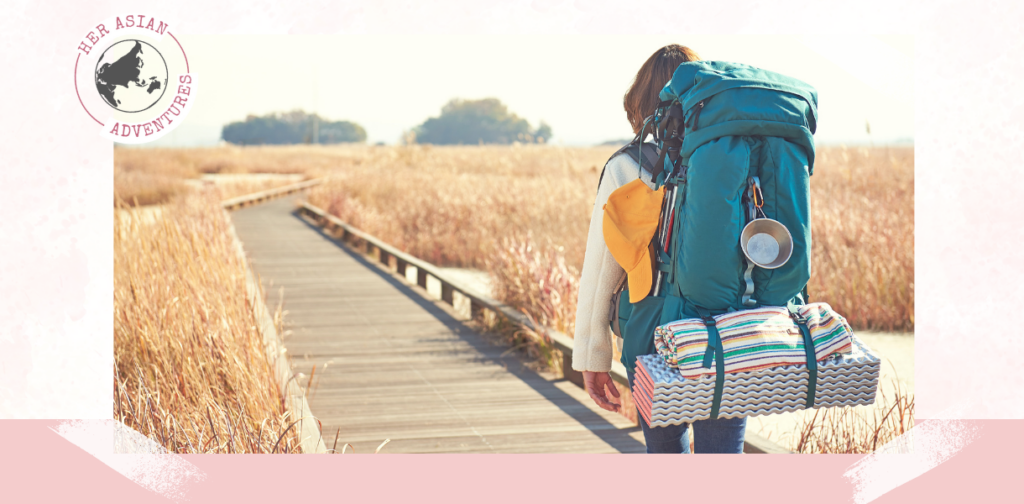
Prioritizing safety is paramount for solo female travelers.
- Share Your Itinerary: Inform a trusted friend or family member about your itinerary, including your estimated arrival times and locations. Share your real-time location with them through a trusted app.
- Safety Apps: Utilize safety apps like BSafe or Life360 to share your location with trusted contacts and receive emergency assistance.
- Avoid Risky Situations: Avoid walking alone in poorly lit areas at night, and be cautious when using ATMs or in crowded places.
Car Rental Options for Solo Female Travelers
Choosing the right car rental is important for your comfort and safety.
| Rental Type | Features | Pricing | Suitability |
|---|---|---|---|
| Economy | Compact size, fuel-efficient | Affordable | Short trips, city exploration |
| Standard | Mid-size, comfortable for longer drives | Moderate | Longer trips, carrying luggage |
| SUV | Larger size, more space, better visibility, enhanced safety | Higher | Trips with luggage, rough terrain |
Road Trip Experiences: Solo Road Trip As A Woman
Embarking on a solo road trip as a woman offers unique opportunities for self-discovery and exploration. However, it’s crucial to acknowledge and prepare for potential challenges to ensure a safe and enjoyable journey. This section delves into navigating these experiences, from practical considerations to social interactions and personal growth.
Potential Challenges and Risks for Women
Solo female travelers may face unique challenges not typically encountered by male travelers. These risks can range from feeling unsafe in certain areas to dealing with unexpected situations. Strategies to mitigate these risks include thorough research, sharing travel plans with trusted contacts, and carrying necessary safety items. Consider using GPS navigation and informing someone of your itinerary.
Suitable Activities and Destinations
Choosing destinations and activities aligned with your interests is key to a fulfilling solo road trip. For nature enthusiasts, national parks, hiking trails, and scenic byways offer breathtaking landscapes. History buffs can explore historical sites, museums, and historic districts. Culture lovers can immerse themselves in diverse communities, experiencing local festivals, cuisine, and art. Remember to research your chosen destinations to tailor your trip to your specific interests.
Social Interactions and Management
Encountering others during a road trip is an enriching part of the experience. These interactions can be spontaneous conversations with fellow travelers at roadside diners, engaging with locals in charming towns, or connecting with people at festivals or events. Strategies for managing these encounters include maintaining a respectful distance if desired and being mindful of your comfort level.
Staying Connected During the Trip
Staying connected with loved ones and resources during a solo road trip is crucial for safety and peace of mind. Utilizing mobile data or purchasing a local SIM card can provide reliable communication. Consider setting up a social media account or using a messaging app to keep in touch with family or friends. Check for local Wi-Fi hotspots at rest stops or hotels along your route.
Comparison of Experiences Between Solo Female and Male Travelers
Solo female travelers may encounter situations related to gender that solo male travelers might not. For instance, women may be approached or treated differently in certain environments, or experience different levels of trust from locals. Recognizing these potential differences can empower travelers to adjust their strategies accordingly.
Driving Route Comparison
| Route Type | Pros for Solo Female Travelers | Cons for Solo Female Travelers |
|---|---|---|
| Scenic Routes | Offers opportunities for stunning landscapes, increased chances of unique encounters with nature, and a sense of adventure. | Potentially longer travel times, less frequent amenities, and more winding roads that might be challenging to navigate |
| Faster Routes | Reduces travel time, provides access to a wider range of destinations, and offers more readily available services like rest stops and gas stations. | May sacrifice the enriching experience of exploring scenic areas, and can feel more impersonal and less adventurous. |
Safety & Security
A solo road trip, especially for a woman, presents unique safety considerations. Thorough planning and awareness of potential risks are crucial for a positive and secure experience. Prioritizing safety involves more than just checking the car’s condition; it encompasses sharing your itinerary, anticipating potential issues, and knowing how to react in emergencies.
Effective safety planning allows for proactive measures, reducing the chances of encountering challenging situations and ensuring a smooth and enjoyable journey. It’s about taking control of your safety rather than passively reacting to events.
Sharing Travel Plans & Backup Arrangements
Sharing your travel plans with a trusted friend or family member is essential. This includes your route, estimated arrival times, and contact information for accommodation. Having a backup plan is equally important. This could involve alternative routes, pre-arranged accommodation, or a contact person who can be reached in case of unforeseen circumstances. Such arrangements provide a safety net in case of delays or emergencies.
Nighttime & Remote Area Safety Precautions
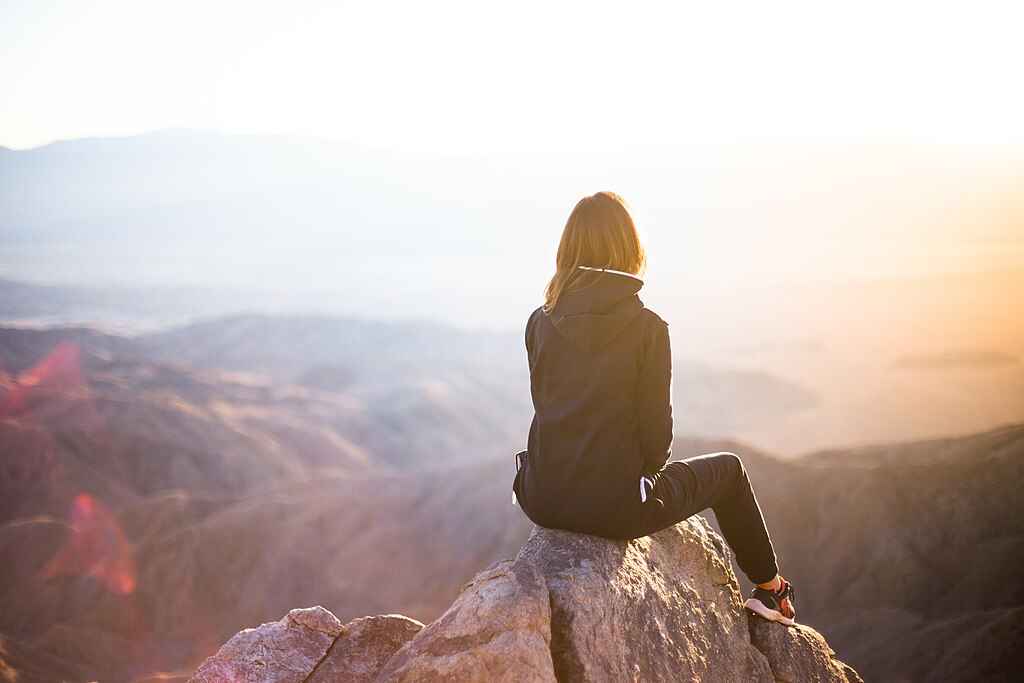
Traveling at night or in remote areas presents heightened safety concerns. Avoiding isolated roads at night and choosing well-lit and populated areas whenever possible is crucial. If driving at night, ensure your vehicle is well-maintained, headlights are functioning properly, and you have a fully charged phone with a car charger. When in remote areas, carry extra supplies like water, snacks, and a first-aid kit. It is highly recommended to stay in populated areas or known campsites at night.
Staying Alert & Aware of Surroundings
Maintaining vigilance and awareness of your surroundings is paramount. Be observant of your surroundings, paying attention to suspicious activity or potential threats. Avoid displaying expensive jewelry or electronics that may attract unwanted attention. Parking in well-lit areas and being aware of your surroundings when getting gas or stopping for food is important. Trust your instincts and don’t hesitate to adjust your plans if you feel uncomfortable.
Emergency Communication & Assistance
Knowing how to communicate emergencies and access assistance is vital. Ensure your phone is fully charged and has sufficient data or roaming for emergencies. Carry a portable charger or a solar charger for added security. Memorize or keep a list of emergency contact numbers, including local authorities, roadside assistance, and your designated backup contact. It’s beneficial to download helpful apps for emergency contacts.
Safety Apps & Devices for Solo Travelers
Utilizing safety apps and devices designed for solo female travelers can enhance security. These apps typically allow for emergency alerts, GPS tracking, and real-time communication with emergency contacts. Some devices offer personal safety features such as alarms or panic buttons. These tools are valuable assets for peace of mind.
Emergency Contact Information & Resources
| Location | Emergency Contacts | Local Authorities | Safety Resources |
|---|---|---|---|
| National Park | Park Ranger, National Park Service | Local Police Department | Park visitor center, trail maps |
| City Center | Local Police Department, Emergency Services | Local Police Department | Local Tourist Information Center, City Map |
| Remote Campground | Campground Staff, Local Sheriff’s Department | Local Sheriff’s Department | Campground Rules, Map of the area |
Note: This table is a sample; specific contact information should be researched for each location.
Entertainment & Mindfulness
Embarking on a solo road trip offers a unique opportunity for self-discovery and rejuvenation. Beyond the scenic drives and new experiences, nurturing your mental well-being is crucial for a fulfilling journey. This section explores diverse ways to stay entertained and engaged, while also emphasizing mindfulness techniques to help manage stress and anxiety, ultimately leading to a more enriching solo adventure.
Effective strategies for entertainment and mindfulness are vital components of a successful solo road trip. Engaging in activities that stimulate your mind and body, while maintaining a connection with yourself and others, is crucial for a fulfilling experience.
Diversifying Entertainment Beyond Technology
Road trips offer ample opportunities for engaging in activities that don’t require technology. Engaging in these activities can stimulate creativity, promote relaxation, and create lasting memories. Consider activities like sketching, journaling, or simply taking the time to observe your surroundings. Listening to audiobooks or music can be engaging, but consider the richness of creating your playlist based on your current mood or location.
Mental Health Tips for Solo Travelers
Maintaining mental well-being during a solo road trip is essential. Practicing mindfulness and engaging in activities that reduce stress and anxiety are vital. Creating a daily schedule, even a loose one, can help you stay organized and on track. Taking breaks and incorporating physical activity, like hiking or walking, can also significantly improve your mental state. Furthermore, setting realistic expectations and allowing for flexibility in your itinerary will prevent disappointment and maintain a positive outlook.
Connecting with Loved Ones
Staying connected with loved ones is vital for maintaining a sense of community during a solo journey. Utilize video calls, instant messaging, or social media to share your experiences and maintain those important relationships. Consider sending postcards or letters to keep those connections tangible. These physical tokens can offer a unique reminder of your journey and provide a sense of connection that digital communication might miss.
Mindfulness Practices for Stress Management
Mindfulness practices are invaluable tools for managing stress and anxiety, especially during a solo trip. These techniques can help you stay grounded, calm, and present in the moment. Practicing deep breathing exercises, meditation, or even simply pausing to appreciate your surroundings can have a profound effect on your overall well-being. Taking time to reflect on your thoughts and feelings can help you process them healthily, promoting emotional regulation and resilience.
Solo Road Trip Essentials for Mental Well-being and Relaxation
Packing essentials for mental well-being and relaxation can make a significant difference in your solo road trip experience. A comfortable journal, a deck of cards, or a small sketchbook can provide creative outlets. A portable meditation app or a collection of calming music can also enhance relaxation and mindfulness. Bringing along a few favorite books or magazines can offer a comforting escape from the journey. Consider packing aromatherapy oils or a relaxing diffuser to enhance the ambiance of your travel space.
Comparing Audio Entertainment Options
| Category | Example 1 | Example 2 | Example 3 |
|---|---|---|---|
| Audiobooks | “Sapiens” by Yuval Noah Harari | “The Power of Habit” by Charles Duhigg | “The Martian” by Andy Weir |
| Podcasts | “This American Life” | “Invisibilia” | “Radiolab” |
| Music Playlists | Nature sounds and ambient music | Chillwave and lofi hip-hop | Upbeat pop and rock for driving |
These diverse options offer a variety of listening experiences for the solo traveler. Consider your preferred genres and interests when creating a playlist for your trip.
Financial Considerations
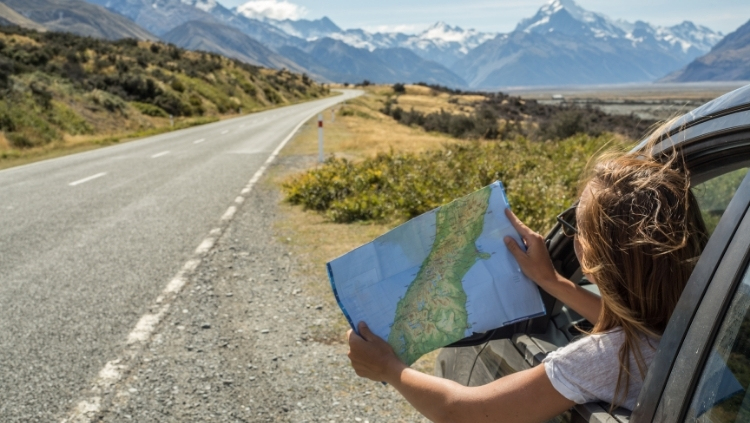
Source: solotravelerworld.com
Planning a solo road trip involves careful budgeting and realistic cost estimations. Understanding the potential expenses and developing a strategy for managing funds is crucial for a smooth and enjoyable journey. This section details the financial aspects, from initial savings to tracking expenses on the road.
Potential Costs
Estimating costs for a solo road trip is essential for creating a budget. Gas prices, accommodation expenses, and food costs vary significantly depending on the route and chosen lodging. Activities and unexpected expenses should also be factored into the overall budget. Consider the potential costs for attractions, souvenirs, and unexpected repairs to your vehicle.
- Gas: Fuel costs depend heavily on the distance covered and current gas prices. A 7-day road trip across multiple states, for example, might require a substantial amount of gas, compared to a shorter trip within a single state. Real-world examples of gas prices should be referenced for a more specific calculation.
- Accommodation: Costs for lodging range from budget-friendly hostels to more luxurious hotels. Camping is a cost-effective option, but it requires proper gear and consideration for weather conditions. Hostels, in general, are a great way to save money and meet fellow travelers.
- Food: Eating out every meal can quickly drain your budget. Meal prepping and utilizing grocery stores or local markets for affordable food options will significantly reduce food costs.
- Activities: Entrance fees for attractions, tours, and other activities can add up. Planning activities in advance, or exploring free activities like hiking or visiting local parks, can help save money.
Budgeting and Saving, Solo road trip as a woman
A well-defined budget is crucial for managing finances during a solo road trip. It helps you stay on track and avoid unexpected financial pressures. Consider using budgeting apps or spreadsheets to track income and expenses. Start saving early, and create a detailed breakdown of your anticipated costs.
- Creating a Budget: Categorize expenses into gas, accommodation, food, activities, and miscellaneous items. Research average prices for these categories in the areas you plan to visit. This research helps you create a more realistic budget.
- Saving Strategies: Set aside a specific amount each month to contribute to your road trip fund. Explore opportunities for extra income to accelerate the savings process.
Earning Extra Money
Several methods can generate additional funds for your road trip. Selling unused items, taking on freelance work, or participating in temporary jobs can supplement your savings.
- Selling Unused Items: Clearing out unused clothes, electronics, or other items can generate quick cash.
- Freelance Work: Utilize online platforms to offer your skills, such as writing, graphic design, or virtual assistance, to earn extra income.
- Temporary Jobs: Consider temporary work opportunities like warehouse jobs, delivery services, or customer service positions.
Tracking Expenses
Detailed expense tracking is vital for managing your finances on the road. Use a dedicated expense tracking app or spreadsheet to meticulously record every transaction. This provides insights into spending patterns and helps you adjust your budget as needed.
- Expense Tracking Methods: Utilize mobile apps or spreadsheets to meticulously record every transaction, from gas purchases to restaurant meals.
- Importance of Tracking: Regularly review your expenses to identify areas where you can cut back and ensure your funds are being utilized efficiently.
Sample Budget (7-Day Solo Road Trip)
This sample budget is a starting point; adjust figures to fit your specific needs and travel style.
| Category | Estimated Cost |
|---|---|
| Gas | $200 |
| Accommodation | $350 |
| Food | $250 |
| Activities | $150 |
| Miscellaneous | $150 |
| Total | $1100 |
Payment Methods Comparison
Different payment methods have varying fees and transaction limits. Consider the associated costs and benefits when choosing a payment method.
| Payment Method | Fees | Transaction Limits |
|---|---|---|
| Credit Card | Potentially high interest rates if not managed properly. | Vary by card. |
| Debit Card | Generally no fees | Vary by bank. |
| Cash | No fees | Limited by the amount of cash carried. |
| Travel Cards | Usually low fees | Vary by card. |
Cultural Considerations
Embarking on a solo road trip means encountering a diverse tapestry of cultures. Understanding and respecting local customs is paramount to a positive and enriching experience. This section explores the importance of cultural sensitivity, providing tools to navigate different regions with grace and respect.
Respectful Interaction with Locals
Interacting respectfully with locals is crucial for a positive travel experience. A genuine interest in their culture and traditions fosters meaningful connections. Showing curiosity and a willingness to learn demonstrates respect. Active listening and patience are key to understanding unspoken cues and communication styles.
- Be mindful of personal space. Cultural norms regarding personal distance vary significantly. Observe local behavior to gauge appropriate space. Avoid touching individuals unless explicitly invited or in situations where it is customary.
- Learn basic phrases in the local language. Even a few simple greetings and thank-yous can go a long way in demonstrating respect. Online language learning resources are readily available and helpful.
- Dress modestly when visiting religious sites or culturally sensitive areas. Respect local customs and traditions regarding attire. Consider local dress codes to ensure appropriateness.
- Be aware of local etiquette concerning gifts. Some cultures value gifts, while others do not. If offering a gift, research the appropriate item or gesture.
Understanding Local Customs and Traditions
Understanding local customs and traditions is essential for avoiding unintentional offenses. These customs often dictate appropriate behavior in various social situations, from dining to greetings. Researching local customs before your trip is a vital step in respecting the culture and ensuring a smooth journey.
- Dining etiquette differs considerably across cultures. Research local customs regarding meal times, table manners, and food preferences.
- Understand local customs concerning greetings and farewells. Different cultures use various gestures, such as bowing or handshakes. Observing locals can provide valuable insights.
- Be mindful of local religious practices and beliefs. Respect the sensitivities of local communities and avoid actions that might be offensive. Researching local religious sites or practices beforehand is recommended.
- Consider local laws and regulations. These regulations can vary considerably across regions and should be understood to ensure compliance.
Comparing Cultural Norms
Cultural norms vary widely, impacting interactions with locals and general conduct. Understanding these differences is key to navigating diverse environments respectfully. A solo traveler should be prepared for potentially contrasting expectations and behavior patterns.
- In some cultures, direct eye contact is a sign of respect, while in others, it might be considered rude. Adapting to the nuances of different cultures is essential.
- The concept of personal space can vary greatly. In some regions, physical proximity during conversations is expected, while others prioritize maintaining distance.
- Consider how greetings and farewells are expressed. Understanding these local customs helps build positive relationships and ensures proper communication.
- Different cultures have varying expectations for showing appreciation and gratitude. Researching these local norms beforehand will be helpful.
Learning About Local Culture
Immersing yourself in the local culture enhances your road trip experience. Learning about local customs provides a deeper understanding of the region and fosters meaningful interactions. Seeking opportunities to engage with local communities through activities and conversations is crucial.
- Visiting local markets and shops offers insights into local traditions and crafts.
- Participating in cultural events, such as festivals and celebrations, can be enriching experiences.
- Engage with locals through conversations. Asking questions and showing genuine interest fosters positive connections.
- Reading local literature and news provides valuable context for understanding the culture.
Example of Local Customs and Traditions
| Region | Custom/Tradition |
|---|---|
| Japan | Bowing as a greeting, removing shoes before entering homes |
| Thailand | Using the right hand for eating and receiving gifts, showing respect to elders |
| India | Respecting religious sites, understanding the caste system, and appropriate dress for temples |
| Mexico | Greeting with a handshake, valuing personal space, and using appropriate greetings for elders |
Last Word
Source: etags.com
Embarking on a solo road trip as a woman can be a truly transformative experience. By meticulously planning, prioritizing safety, and embracing the unexpected, you can maximize your enjoyment and create lasting memories. Remember to be adaptable, resourceful, and most importantly, confident in your ability to navigate the journey. This guide has equipped you with the knowledge and tools to make your solo adventure a success.