Solo Travel Groups Women A Guide
Solo travel groups for women offer a unique blend of independence and companionship. These groups cater to diverse interests and ages, providing a supportive environment for women to explore the world together. The advantages are clear, whether joining an organized tour or forming a friend group. This comprehensive guide explores the motivations, benefits, destinations, planning, safety, and challenges associated with solo female group travel, offering insights into crafting unforgettable experiences.
This guide delves into the nuances of solo travel groups for women. It covers everything from defining the various types of groups to exploring the motivations behind women traveling together, and ultimately provides practical advice for planning and executing a safe and fulfilling trip. The benefits of group travel, including increased safety, shared experiences, and a sense of community, are thoroughly discussed.
Defining Solo Travel Groups for Women
Solo travel groups for women encompass a diverse range of experiences, from organized tours meticulously planned by travel agencies to spontaneous gatherings of friends. These groups cater to women seeking adventure, cultural immersion, or simply a supportive environment during their journeys. The shared experiences foster camaraderie and a sense of belonging, making solo travel more enjoyable and enriching.
Solo travel groups for women are not a monolithic entity. They vary significantly in their structure, purpose, and composition. This diversity allows women to find a group that aligns with their preferences and travel style. The groups can be formal, with structured itineraries, or informal, with more flexibility for spontaneous explorations.
Types of Solo Travel Groups
Solo travel groups for women can be categorized into several types, each with its unique characteristics. Organized tours are typically led by a tour operator, providing structured itineraries, accommodation, and transportation. Independently formed groups, often consisting of friends or acquaintances, offer greater flexibility but require more proactive organization. Another category includes groups of women meeting through shared interests, such as hiking, photography, or culinary exploration. These groups often combine travel with shared passions, creating a stronger sense of community.
Activities and Experiences
Solo female travelers in groups frequently engage in a wide range of activities, tailored to the group’s interests. This includes historical sightseeing, cultural immersion, outdoor adventures like hiking or kayaking, culinary explorations, and relaxation in natural settings. They often participate in workshops, cooking classes, or local events to deepen their understanding of the destination. Travelers might visit museums, attend performances, or simply enjoy the local atmosphere together.
Age and Background Representation
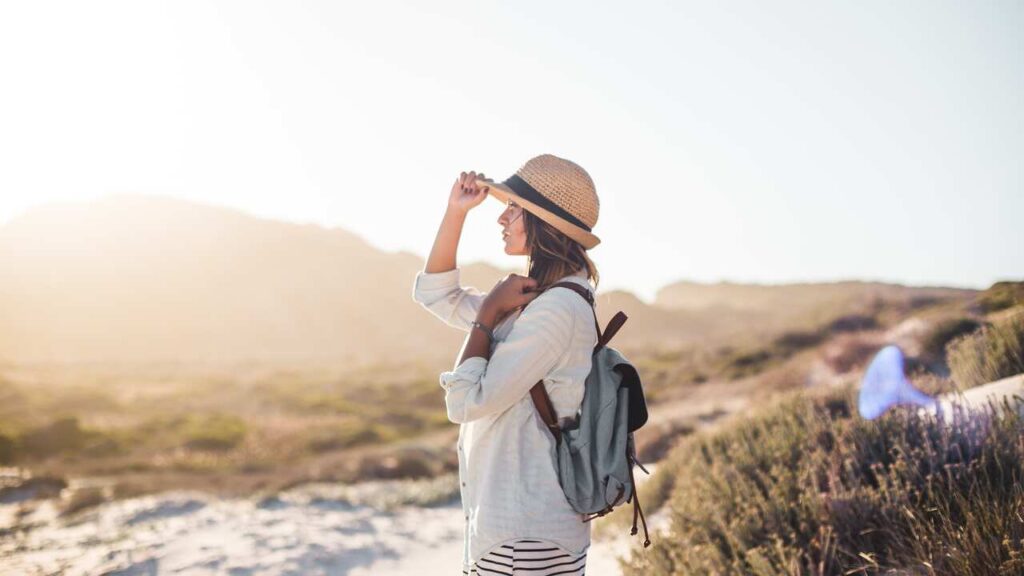
The age range of women in solo travel groups is quite broad. From young professionals to retirees, women from various backgrounds and walks of life find common ground through the shared experience of travel. This diversity fosters a dynamic exchange of perspectives and experiences, enriching the overall travel journey. The groups often consist of women with similar interests or shared goals, such as women in the same professional field or those passionate about a particular hobby.
Comparison of Organized Tours vs. Independent Groups
| Feature | Organized Tour | Independent Group |
|---|---|---|
| Cost | Typically higher, encompassing accommodation, transportation, and guided activities. | Potentially lower, as expenses are shared and individual choices are made. |
| Flexibility | Limited flexibility, as itineraries are pre-determined. | Greater flexibility, allowing for spontaneity and tailored experiences. |
| Safety | Generally higher level of safety, with pre-arranged itineraries and support staff. | Requires careful planning and communication to ensure safety and security. |
Motivations and Benefits
Women often seek shared experiences and support when venturing into solo travel. This desire for camaraderie, coupled with a desire to feel safe and empowered, drives the formation of female-focused solo travel groups. These groups provide a unique opportunity to connect with like-minded individuals while exploring the world.
The shared experience of travel, particularly for women, fosters a sense of community and belonging that extends beyond the journey. This shared vulnerability and trust, cultivated within these groups, can have a profound positive impact on individual well-being and personal growth.
Primary Motivations for Group Travel
The motivations behind women traveling in groups are multifaceted and often intertwined. Safety is a significant factor, as is the desire for shared experiences and a supportive environment. A feeling of empowerment and a thirst for adventure are also common drivers. These groups provide a sense of security and companionship, which can be crucial for women who are new to solo travel or who prefer the comfort of company.
Psychological and Social Benefits
Female-focused solo travel groups offer a unique opportunity for women to experience the psychological and social benefits of travel. The camaraderie within these groups fosters a sense of belonging and reduces feelings of isolation, which is particularly valuable for women traveling alone. Shared experiences and support contribute to a more enriching and enjoyable travel experience, leading to improved self-esteem and confidence.
Addressing Safety Concerns
Safety is a paramount concern for women traveling alone. Solo travel groups can proactively address this concern by establishing clear communication protocols and sharing safety information. The presence of multiple women in a group often deters potential threats and creates a supportive environment where individuals can feel safe and empowered to navigate their surroundings. Knowing others in the group can provide a sense of reassurance and shared responsibility.
Fostering a Sense of Community
Traveling in a group creates an opportunity for women to build genuine connections and forge friendships. The shared experiences of exploring new destinations, encountering different cultures, and overcoming challenges together strengthen bonds and foster a sense of community. These shared experiences often result in lasting friendships that extend beyond the duration of the trip.
Enhancing the Travel Experience
Group travel significantly enhances the travel experience for solo women. The collective decision-making process, combined with the shared resources and support, creates an environment where each woman can experience the best of the destination. The group dynamic allows for flexibility, with members supporting each other’s interests and preferences. This collaborative approach allows for a more personalized and enriching travel experience, making the journey more enjoyable and memorable.
Travel Destinations and Activities
Planning a solo travel experience with a group of women often necessitates careful consideration of destinations and activities that cater to diverse interests and preferences. This necessitates a nuanced approach to selecting locations and activities that enhance the group’s bonding and shared experiences. This section will explore popular destinations and a range of suitable activities for these groups.
Popular Destinations for Women’s Travel Groups
Numerous destinations appeal to women’s travel groups, offering a blend of cultural immersion, relaxation, and adventure. Considerations include safety, accessibility, and the overall experience.
- European Cities (Paris, Rome, London): These cities boast rich history, vibrant culture, and a wide array of activities, from exploring museums and historical sites to indulging in culinary experiences and shopping sprees. They provide ample opportunities for group bonding and personalized exploration.
- Southeast Asian Countries (Thailand, Bali, Vietnam): These destinations offer stunning landscapes, delicious cuisine, and opportunities for relaxation and rejuvenation. The diverse cultural experiences and warm hospitality contribute to a memorable group journey.
- National Parks and Coastal Regions (USA, Costa Rica, Greece): For those seeking adventure, national parks and coastal regions offer hiking, wildlife viewing, and water activities. These environments provide opportunities for shared experiences and create lasting memories.
Activities Suitable for Women’s Solo Travel Groups
A wide array of activities can be incorporated into the itinerary to cater to different interests. This diverse range of experiences will ensure that all members of the group find something enjoyable and enriching.
- Cultural Immersion: These experiences include guided tours of historical sites, visits to local markets, cooking classes focused on regional cuisine, and opportunities to interact with local communities. These activities foster understanding and appreciation of different cultures.
- Adventure Activities: Hiking, kayaking, rock climbing, and other outdoor activities can provide exhilarating experiences for women seeking adventure and physical challenges. These can be tailored to varying fitness levels.
- Relaxation and Wellness: Spa treatments, yoga retreats, and meditation sessions are excellent choices for women seeking relaxation and rejuvenation. These activities foster a sense of peace and well-being.
- Creative Activities: Workshops focusing on painting, pottery, jewelry making, or photography provide unique experiences for women interested in creative pursuits. These activities can be tailored to specific interests and skill levels.
Categorized Activities and Experiences, Solo travel groups for women
This section categorizes activities to aid in the selection of experiences for each group.
- Adventure: Hiking, kayaking, rock climbing, ziplining, and wildlife safaris are examples of thrilling experiences that cater to adventurous spirits. These activities can be carefully chosen to match the group’s physical capabilities.
- Cultural Immersion: Visiting historical sites, attending local festivals, interacting with artisans, and taking cooking classes are excellent choices for those seeking a deeper understanding of the local culture. This involves exploring local traditions and customs.
- Relaxation: Spa treatments, yoga retreats, meditation sessions, and visits to tranquil locations are ideal for those seeking relaxation and rejuvenation. These experiences are crucial for fostering a sense of calm and well-being.
Preferred Accommodations and Amenities
Accommodation choices are crucial for enhancing the group experience. Considerations include shared spaces, comfort, and safety.
- Shared Apartments or Villas: These provide ample space for group interaction and offer a more personalized experience compared to hotels. These accommodations allow for social gatherings and create a more intimate environment.
- Boutique Hotels: These offer a unique ambiance and often feature comfortable common areas for the group to relax and socialize. They provide a sophisticated yet relaxed environment.
- Amenities: Amenities like a communal kitchen, outdoor space, and nearby access to local attractions are highly valued. These amenities contribute to a smooth and enjoyable group experience.
Destinations and Suggested Activities for Women’s Groups
The table below suggests destinations and activities categorized by interest. This allows for easy selection based on the group’s preferences.
| Destination | Interest | Activities | Accommodation |
|---|---|---|---|
| Paris, France | Cultural Immersion | Museum visits, historical tours, cooking classes, and wine tasting | Shared apartments, boutique hotels |
| Bali, Indonesia | Relaxation & Adventure | Yoga retreats, spa treatments, hiking, surfing | Villas, boutique hotels with pool access |
| Kyoto, Japan | Cultural Immersion | Temple visits, traditional tea ceremonies, exploring gardens | Ryokans (traditional Japanese inns), boutique hotels |
| Costa Rica | Adventure | Hiking, wildlife viewing, ziplining, and rainforest tours | Eco-lodges, jungle bungalows |
Planning and Logistics
Planning a successful solo travel group for women requires careful consideration and organization. This meticulous approach ensures a smooth and enjoyable experience for all participants, allowing them to focus on creating lasting memories and fostering camaraderie. A well-structured plan addresses potential challenges, promotes efficient communication, and helps maintain a harmonious atmosphere throughout the trip.
Thorough planning is crucial to ensure everyone’s needs and expectations are met, and that the trip is both fulfilling and stress-free. Effective planning minimizes potential conflicts and maximizes the group’s potential for a memorable and successful journey.
Steps Involved in Planning
Careful planning is essential for a successful solo travel group. This involves identifying the desired destinations, activities, and interests of the group members. This initial assessment provides the foundation for creating a personalized itinerary.
- Defining the Group’s Interests: Determine common interests and preferences regarding destinations, activities, and desired pace. Understanding these factors is vital to crafting an itinerary that appeals to everyone.
- Budgeting: Establishing a realistic budget is critical for ensuring the trip remains affordable for all members. This step involves estimating expenses for accommodation, transportation, food, activities, and any other potential costs.
- Selecting Destinations and Activities: Choose destinations and activities that align with the group’s interests and budget. This step often involves researching and comparing various options, considering factors such as accessibility, cost, and overall experience.
- Booking Accommodations and Transportation: Booking accommodations and transportation in advance is essential to secure the best possible deals and availability. This also helps in managing logistics and ensures smooth travel for the group.
- Creating a Preliminary Itinerary: Develop a preliminary itinerary that articulates the major activities and events planned for the trip. This allows for flexibility and adjustments based on the group’s feedback and preferences.
Importance of Communication and Coordination
Effective communication and coordination are paramount for maintaining a smooth and harmonious group experience. This involves establishing clear channels for communication and a shared understanding of the trip’s plan.
- Establishing a Communication Channel: Choose a reliable communication platform (e.g., a dedicated group chat app, email list, or a shared online document) for constant updates and announcements. This allows members to stay informed about important details and updates.
- Encouraging Open Communication: Encourage members to share their thoughts, concerns, and preferences. This fosters a sense of community and allows the group to tailor the experience to everyone’s needs.
- Regular Check-ins: Implement regular check-ins to discuss any challenges, concerns, or adjustments to the itinerary. This is critical to resolving issues promptly and maintaining a positive atmosphere.
Creating a Shared Itinerary
A shared itinerary that caters to everyone’s interests requires a collaborative approach. It should be flexible and adaptable to accommodate diverse preferences and potential challenges.
- Incorporating Diverse Interests: Incorporate a variety of activities and experiences that cater to the diverse interests and preferences of the group members. This includes options for different activity levels, interests, and paces.
- Flexibility in the Itinerary: Allow for flexibility in the itinerary to accommodate unforeseen circumstances or spontaneous opportunities. This allows for adjustments based on the group’s needs and preferences.
- Prioritizing Input from Members: Actively seek input from all group members to ensure the itinerary reflects their interests and preferences. This ensures that the itinerary is engaging for everyone involved.
Group Communication Tools and Platforms
Selecting appropriate communication tools and platforms is essential for maintaining open communication and coordination among group members. This ensures that everyone is informed and involved in the decision-making process.
- Dedicated Group Chat Apps: Utilize group chat apps like WhatsApp, Telegram, or Facebook Messenger for real-time updates and discussions. These platforms facilitate quick communication and ensure everyone stays informed.
- Shared Online Documents: Employ shared online documents (e.g., Google Docs, Microsoft Teams) for collaborative itinerary planning, budget tracking, and contact information. This centralized approach keeps everyone on the same page.
- Email Lists: Utilize email lists to send out announcements, updates, and reminders. This is a reliable method for disseminating important information to all members.
Budget Management
Effective budget management is crucial for ensuring a financially sound trip. This involves careful planning and transparent tracking of expenses.
- Creating a Detailed Budget: Develop a detailed budget that details all anticipated expenses, including accommodation, transportation, food, activities, and any other potential costs. This allows for clear visibility and transparency regarding finances.
- Establishing Contribution Amounts: Clearly define contribution amounts from each member, outlining how costs will be shared among the group. This ensures transparency and avoids any misunderstandings about financial responsibilities.
- Tracking Expenses: Utilize a shared spreadsheet or document to track expenses and maintain accountability. This ensures that all members are aware of the group’s financial status.
Designated Point of Contact
Having a designated point of contact is vital for effective communication and coordination. This person acts as a central hub for information and ensures smooth operations.
- Responsibility for Communication: Appoint a member to act as the primary point of contact for handling all communications, updates, and logistics. This person is responsible for keeping everyone informed and addressing any issues promptly.
- Ensuring Smooth Operations: The designated point of contact facilitates smooth operations and manages the group’s activities efficiently. This includes ensuring everyone is aware of the itinerary and promptly addressing any problems that may arise.
Safety and Security
Source: journohq.com
Traveling in a group provides a sense of security, but proactive safety measures are paramount for a positive and worry-free experience. Understanding potential risks and implementing appropriate strategies are essential for ensuring the well-being of every member. This section includes crucial safety precautions and practical strategies for solo female travel groups.
Safe travel requires a multifaceted approach encompassing communication, accommodation, transportation, and risk mitigation. A well-defined safety plan empowers group members to navigate potential challenges confidently and effectively.
Importance of Pre-Trip Planning
Comprehensive planning significantly reduces the likelihood of unforeseen issues. A detailed itinerary, including specific locations, transportation details, and contact information, provides a solid foundation for a smooth and secure trip. This pre-trip preparation fosters a sense of preparedness and reduces anxiety.
Emergency Communication Plan
Establishing a clear communication plan is vital for emergencies. This involves designating a point person to manage communication and establishing a shared communication platform, such as a dedicated group chat or messaging app. Each member should have access to the emergency contact information for the group and relevant local authorities. This strategy enables swift communication in case of emergencies.
Choosing Safe Accommodations and Transportation
Selecting safe accommodations and transportation is critical. Researching hotels or hostels with good reviews and safety features, and confirming transportation options in advance, is crucial. Utilizing reputable transportation services and avoiding isolated areas during travel hours are important steps in ensuring the safety of all members. It is recommended to pre-book transportation and accommodations to avoid last-minute issues.
Identifying and Mitigating Potential Risks
Potential risks vary depending on the destination and activities. Understanding the local laws, customs, and potential safety concerns is essential. Recognizing potential dangers, such as petty theft or scams, and developing strategies for avoiding them are vital components of a comprehensive safety plan. Members should be aware of the local culture and customs to avoid unwanted situations.
Practical Tips for Solo Female Travelers
Traveling in a group provides a heightened sense of security. Sharing experiences, coordinating schedules, and relying on each other for support are crucial aspects of a successful group journey. Keeping valuables secure, being aware of surroundings, and notifying someone of your itinerary are important measures. These practical tips, when combined with a proactive approach, empower women to travel safely and confidently.
Sharing Responsibilities
Assigning roles and responsibilities amongst the group members enhances safety and reduces stress. This could involve designating a “lead” person for communication, or individuals responsible for specific aspects of the trip. This shared responsibility ensures that everyone is contributing to the group’s well-being.
Challenges and Considerations
Traveling in a group, especially for women, presents unique challenges beyond solo travel. These challenges require proactive planning and open communication to ensure a positive and enjoyable experience for everyone involved. Understanding potential pitfalls and having strategies to address them is crucial for maintaining harmony and achieving shared travel goals.
Potential Challenges
Navigating differing travel styles, preferences, and expectations is a common hurdle in group travel. Varying budgets, desired activities, and preferred pace can lead to friction. For example, one member might prefer a more luxurious experience while another prioritizes budget-friendly options, potentially creating tension. Likewise, varying levels of activity tolerance, comfort levels, and interests in destinations can cause conflicts. Furthermore, personality clashes and differing communication styles can also contribute to group difficulties.
Conflict Resolution Strategies
Addressing potential conflicts constructively is vital for maintaining group harmony. Open and honest communication is paramount. Encouraging members to voice their concerns and preferences early on can prevent misunderstandings from escalating. Creating a shared itinerary with flexible options can accommodate varying preferences. Establishing clear ground rules and expectations for behavior within the group is essential. These rules should be agreed upon and communicated upfront.
Respecting Individual Preferences and Needs
Understanding and respecting individual needs and preferences is critical for a positive experience. This includes acknowledging different levels of comfort, energy, and interests. Individual needs may vary greatly from one member to another, and accommodating them is a key element to maintaining harmony within the group. Recognizing and appreciating diverse perspectives can enrich the overall travel experience. For example, scheduling downtime for those who prefer relaxation alongside activities for those who are more energetic allows everyone to feel included and valued.
Maintaining Group Cohesion
Building strong bonds within the group is vital for overcoming challenges and enjoying the travel experience. Scheduled social activities, shared meals, and informal discussions can foster camaraderie and shared experiences. Regular check-ins can allow members to address concerns promptly and ensure everyone feels heard. Group activities, such as attending local events or cooking together, can foster a stronger sense of community and connection.
Different Approaches to Conflict Resolution
Various methods can be employed to resolve conflicts. Facilitated discussions, with a neutral third party, can help mediate disputes. Compromise and negotiation are crucial. Understanding each member’s perspective is essential to finding solutions that work for everyone. In situations where a formal resolution is needed, a pre-determined conflict resolution plan can help. This plan, agreed upon beforehand, should outline a process for addressing disputes in a structured and organized manner. For instance, creating a simple decision-making process, like a majority vote or a consensus-building method, can help resolve disagreements efficiently.
Marketing and Promotion
Attracting a dedicated group of women seeking solo travel experiences requires a strategic marketing approach. A well-defined marketing plan can significantly enhance the visibility of the group, fostering growth and building a supportive community. Effective promotion leverages diverse channels to reach the target audience, ensuring the group remains appealing and relevant.
Strategies for Marketing and Promotion
A comprehensive marketing strategy should encompass various aspects, including targeted messaging, compelling visuals, and engaging content. These elements work together to create a strong brand identity and attract potential members.
- Targeted Messaging: Clearly articulate the group’s value proposition and benefits. Highlight the unique advantages of joining, such as shared experiences, safety, and community building. Emphasize the benefits of group travel, like cost-effectiveness and opportunities for camaraderie.
- Compelling Visuals: Use high-quality images and videos showcasing the group’s activities, destinations, and members. Visuals should evoke a sense of adventure, excitement, and community spirit. Consider professional photography and videography to enhance the appeal of the group.
- Engaging Content: Share inspiring stories, travel tips, and destination information on a blog, website, or social media. Creating engaging content, like travel diaries, itineraries, or interviews with past participants, helps attract potential members and builds trust.
Potential Platforms for Reaching Target Audiences
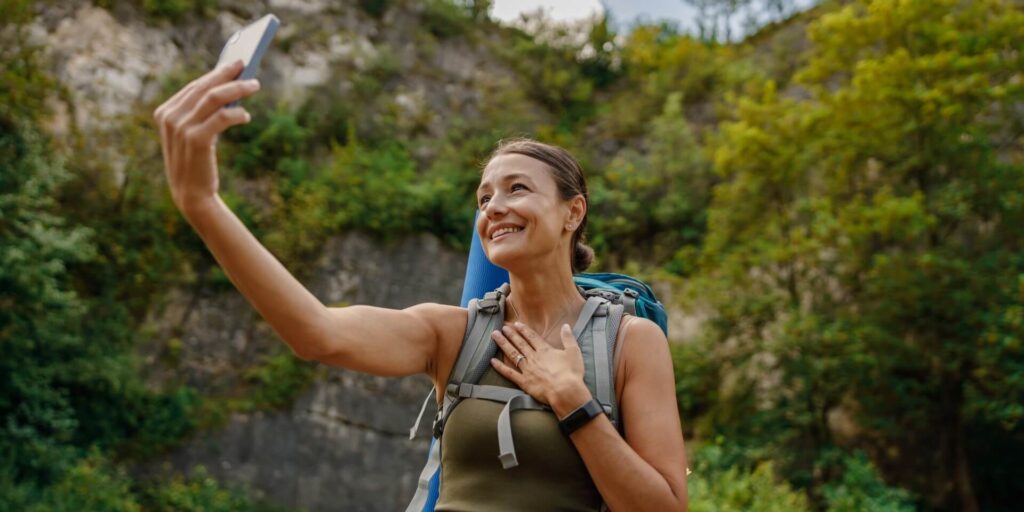
Identifying the most effective platforms for reaching the target audience is crucial for successful marketing. Research and understanding the platforms used by potential members will maximize the impact of the campaign.
- Social Media Platforms: Leveraging social media platforms like Instagram, Facebook, and TikTok is essential. Create engaging content, run contests, and utilize targeted advertising to reach women interested in solo travel. Use relevant hashtags and collaborate with travel influencers to expand the reach.
- Dedicated Travel Websites and Forums: Platforms catering to women travelers provide a dedicated space for engagement and community building. Promote the group on forums and travel-related websites to attract potential members who actively seek such resources.
- Collaboration with Travel Agencies: Partnering with travel agencies specializing in women’s travel can expand the group’s reach and provide access to a wider audience. Collaborating with agencies can also offer streamlined booking options and potential discounts for group members.
Marketing Materials to Attract Potential Members
Effective marketing materials should effectively convey the group’s identity and appeal. Clear and concise information will attract potential members.
- Group Website: A well-designed website showcasing the group’s mission, destinations, and activities will serve as a central hub for information. A user-friendly website with clear calls to action will increase the chance of conversions.
- Brochures and Flyers: Print materials can be distributed at travel expos, women’s events, and other relevant gatherings. These should highlight key benefits, destinations, and important dates.
- Email Marketing Campaigns: Building an email list and sending out newsletters with updates on destinations, activities, and group events can keep members engaged and attract new ones. Highlight upcoming trips and special offers to encourage sign-ups.
Importance of Online Presence
A strong online presence is crucial for visibility and attracting potential members. A consistent and engaging online presence creates a lasting impression and attracts potential members.
- Consistency and Regularity: Maintain a consistent brand image and update online profiles regularly. Sharing engaging content regularly will increase visibility and keep potential members interested.
- Positive Reviews and Testimonials: Encourage members to share their experiences through testimonials and reviews. Positive feedback from past participants can build trust and credibility for the group.
- Professional Branding: Develop a professional brand identity that aligns with the group’s values and objectives. A consistent brand image will enhance the group’s recognition and attract potential members.
Social Media for Group Recruitment and Promotion
Social media is a powerful tool for reaching a large audience interested in solo travel. Leveraging social media platforms will help in connecting with potential members.
- Engaging Posts: Share visually appealing posts showcasing destinations, activities, and group members’ experiences. This includes travel photos, videos, and informative posts about travel destinations.
- Interactive Content: Use polls, quizzes, and Q&A sessions to encourage interaction and engagement. These features can create a sense of community and excitement among potential members.
- Targeted Advertising: Utilize social media platforms’ advertising tools to target women interested in solo travel. Targeted ads increase the chances of reaching the desired audience.
Travel Agencies or Platforms for Women Travelers
Utilizing travel agencies and platforms specializing in women’s travel can enhance reach and convenience. This can increase the visibility and appeal of the group.
- Collaborations with Agencies: Partnering with agencies focused on women’s travel can provide access to a wider audience. These agencies have established networks and marketing channels.
- Dedicated Platforms: Utilize platforms specifically designed for women travelers. These platforms can connect the group with potential members and offer tailored marketing opportunities.
- Special Packages and Promotions: Explore options for group discounts or special packages through travel agencies or platforms. This will attract potential members seeking value and convenience.
Closure: Solo Travel Groups for Women
In conclusion, solo travel groups for women offer a powerful platform for personal growth and shared adventure. From meticulous planning and safety considerations to navigating potential challenges, this guide provides a roadmap for creating unforgettable experiences. The diverse range of destinations, activities, and group dynamics allows women to tailor their travel to their unique needs and desires, ultimately fostering a sense of community and belonging. Remember that careful planning, clear communication, and mutual respect are essential for a positive and safe group experience.